Stronger rupee should make life less expensive in India
Rupee rebound offers relief, but families still face pressure from rising prices and loans
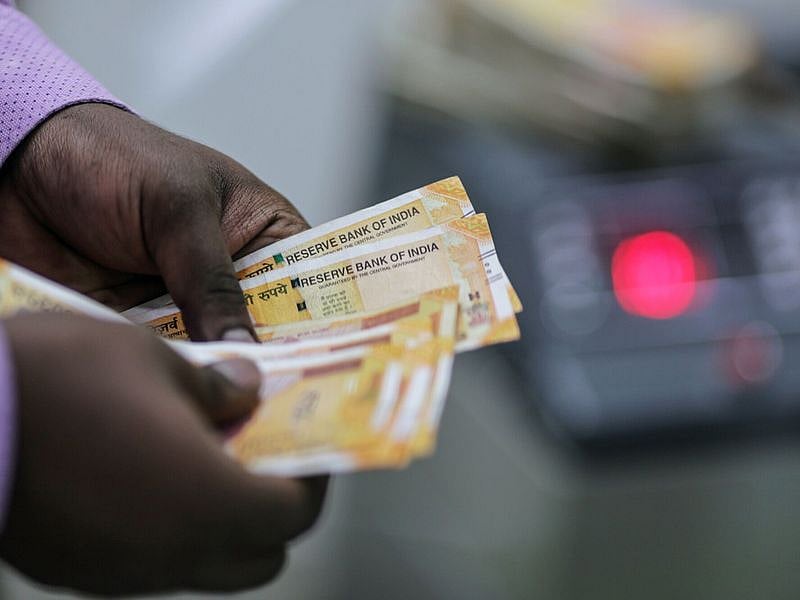
The rupee’s recovery has eased some pressure on India’s economy. It has also left the Reserve Bank of India facing much the same problem: how to contain sharp currency falls while expensive oil and uncertain foreign investment keep demand for dollars high.
For a family paying university fees abroad, a stronger rupee can mean a smaller bill. For someone earning overseas and sending money to India, it means fewer rupees reach home for the same amount sent.
Neither experience tells the whole story. What benefits a person making an overseas payment can disappoint someone supporting relatives in India, while the cost of living affects both families.
The rupee closed at 94 per dollar on Monday, recording its strongest weekly gain since the start of the year, according to Reuters. The recovery reflects the effect of RBI measures, though expensive oil and foreign investment outflows continue to put pressure on the currency.
What changes for a family?
Consider a $10,000 overseas bill. At 97 rupees per dollar, it costs Rs970,000; at 94, it costs Rs940,000 — a saving of Rs30,000 before fees.
That is a meaningful difference without any change in what the family is buying. The tuition fee, medical bill or other dollar-priced expense stays the same, but fewer rupees are needed to pay it.
The reverse applies to someone sending a dollar-equivalent amount home. The recipient gets fewer rupees when the Indian currency strengthens.
It is understandable that people earning abroad watch for a weaker rupee before transferring money. But a favourable transfer rate offers less comfort if the family receiving it faces rising expenses.
A weaker rupee makes dollar-priced imports more expensive for India. How much of that increase reaches households depends on the product, government policy and whether businesses absorb the extra cost or pass it on.
Why oil affects the household budget
Oil is a large part of this problem. India’s state-run refiners need about $10 billion a month for crude imports, according to Bloomberg’s reporting, creating a steady demand for dollars.
When oil prices rise, those purchases become more expensive. When the rupee falls as well, more rupees are needed to meet the higher dollar bill.
The RBI has arranged to supply dollars separately to state-run oil companies, reducing their purchases in the wider currency market. This helps ease pressure on the rupee, although India still has to pay for the crude.
For households, the effect is less immediate than a change on a currency board. Higher oil costs can affect fuel, transport and the expense of moving goods, but they do not automatically produce an identical increase in every retail price.
This is why a stronger rupee is useful even to people who never travel abroad or send money overseas. It limits one source of extra cost, though it cannot cancel out a rise in the price of oil itself.
When prices and loan costs rise together
Families also face pressure from inflation. When groceries cost more, a family may cut back on eating out or put off a purchase. If loan costs rise too, there is less room to adjust: repayments still have to be made.
Prices of everyday goods rose more than 5 per cent in September from a year earlier. That does not mean every household’s bills increased by exactly that amount, but it shows the pressure on what people can afford.
The RBI raised its interest rate by as much in October to help contain inflation. Higher rates make borrowing more expensive, which can slow spending and ease pressure on prices.
The difficulty with higher interest rates
For someone with a floating-rate home loan, a rate increase passed on by the lender can mean a higher monthly instalment or more years of repayments. Someone planning to borrow for a home, education or a small business may also find the loan less affordable.
That leaves families squeezed between everyday expenses and borrowing costs. Cutting optional spending can help, but food bills and loan repayments cannot simply be postponed.
The RBI faces a difficult choice too. Higher rates can help control inflation, but they cannot directly lower the global price of oil; leaving inflation unchecked would keep reducing what salaries and savings can buy.
The central bank can also supply dollars from its reserves to ease pressure on the rupee. That can help limit sudden falls, though India’s oil imports still need to be paid for month after month.
Stability has an everyday value
Sudden currency changes make planning harder. A family saving towards an overseas fee can find the rupee amount needed has risen, while a small business can face a larger import bill than it expected.
A steadier currency makes those expenses easier to estimate. It also gives people less reason to rush a payment or postpone a necessary purchase because they fear another sharp move.
The rupee’s recovery deserves recognition for the relief it provides. The more difficult task is to sustain it while limiting the pressure of inflation and borrowing costs on households.
Most people will judge the outcome through their own accounts: what remains after groceries, school fees, transport and loan payments. A stronger rupee helps, but its recovery will feel more reassuring when those expenses become easier to manage.
Sign up for the Daily Briefing
Get the latest news and updates straight to your inbox
Network Links
GN StoreDownload our app
© Al Nisr Publishing LLC 2026. All rights reserved.