Building the future organisation with Farnek
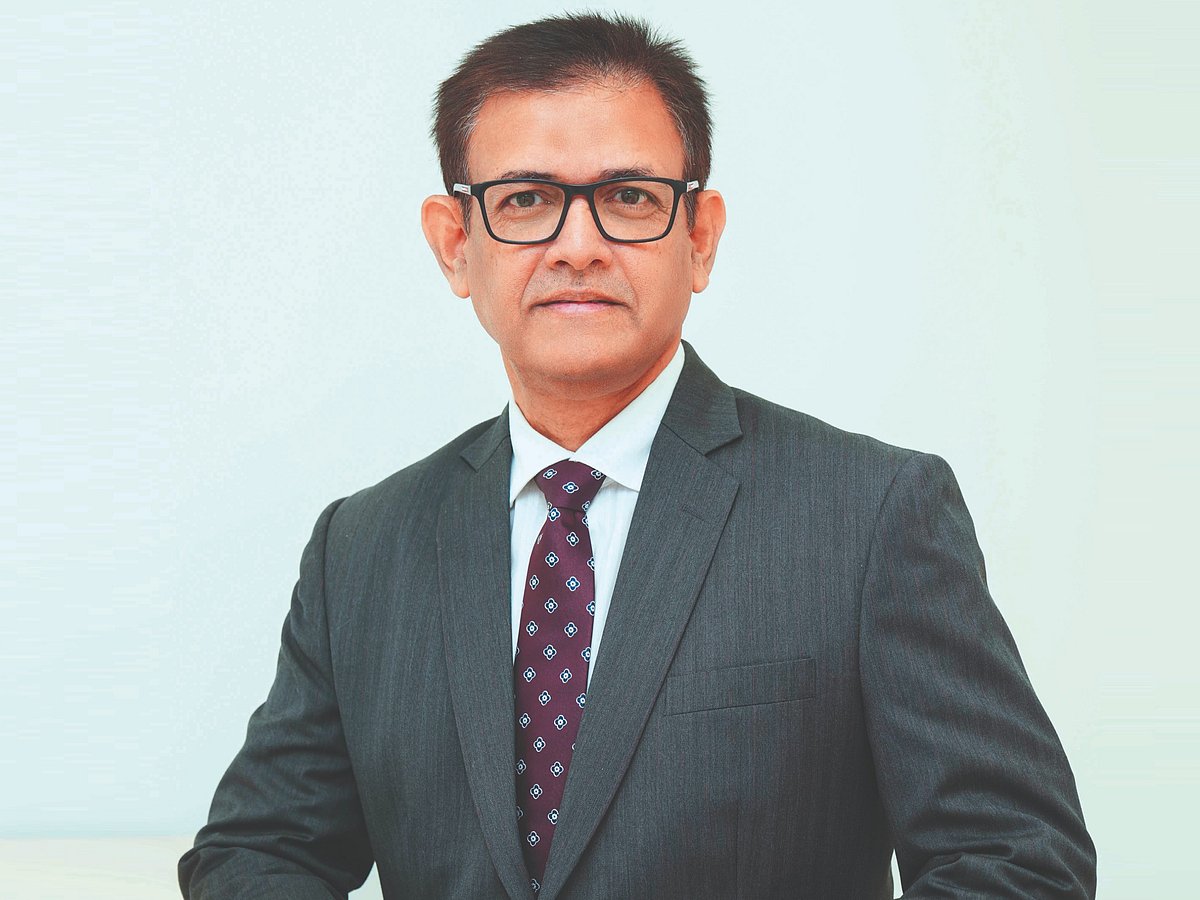
Exclusive Q&A with Abdullah Al Mamoon, VP – HR, Legal & Ventures, Farnek
As Farnek expands beyond traditional facilities management, how are you transforming HR from a support function into a strategic driver of business growth and competitive advantage?
At Farnek Group, HR is a strategic business partner, accountable for business outcomes rather than administrative activity. As the Group expands into technology-enabled services, sustainability, manpower solutions and new ventures, our people strategy must directly support commercial growth, productivity and operational excellence.
We are transforming workforce management through digitalisation, automation, data-driven workforce planning and targeted talent development, so that HR time moves away from administration and into capability and performance. Our ambition is to make HR a driver of business performance, ensuring the right capabilities are available to support both existing operations and future opportunities across the Group.
With more than 10,000 employees, what are the biggest hidden workforce challenges that conventional HR metrics fail to capture, and how are you addressing them?
Traditional HR metrics measure headcount, attrition and absenteeism, but often overlook productivity, deployment efficiency and the actual value generated by employees. These metrics describe what has happened; they do not show whether the workforce is productive.
For a diversified service organisation like Farnek Group, ensuring the right people, skills and resources are deployed at the right locations and costs is critical. We are using workforce analytics, digital platforms and automation to give leadership a single view of deployment, cost and performance, moving the organisation from reporting to decision-making. At the scale of more than 10,000 employees, small inefficiencies in shift patterns or skills allocation multiply quickly into significant cost.
The future workforce will comprise three elements: humans, AI Agents and robots. Today’s HR metrics were never designed to measure this combined workforce, and building the right management framework is one of our priorities.
As automation reshapes facilities management, which human capabilities will become more valuable, and how is Farnek preparing its workforce for jobs that may not yet exist?
The future of facilities management and service industries will be built on collaboration between humans, AI Agents and robotics. Repetitive and predictable activities will increasingly be automated, while human capabilities such as critical thinking, problem-solving, leadership, adaptability and decision-making will become more valuable. Our supervisors and technicians will move from allocating and performing tasks to exercising judgment, coordinating hybrid teams and solving problems.
At Farnek Group, we are developing the Farnek Hybrid Unit (FHU), integrating humans, robots and AI Agents into our operating model. Importantly, AI Agents and robots should not operate as disconnected technology tools; they should become recognized roles within the organisational structure, with defined responsibilities, job descriptions, performance measures and accountable human owners.
Our commitment to our people is clear: we will redesign jobs and reskill employees for higher-value roles, rather than simply replacing them.
Your portfolio spans HR, Legal and Ventures. How does this unusual combination of responsibilities give you a different perspective on identifying business opportunities and building future-ready organisations?
This combination allows me to assess every opportunity from three angles at once. HR provides insight into people and organisational capabilities, Legal ensures governance and risk management, while Ventures offers exposure to entrepreneurship and commercial opportunities.
When evaluating new businesses, I consider not only financial potential but also the people, technology, governance and operating structures required to make them sustainable. Most new ventures succeed or fail on execution, and execution depends on people, governance and structure.
Future-ready organisations must be designed around integrated human and digital capabilities, with technology embedded into every business function from the outset rather than added later as a support activity.
Employee expectations are changing across the UAE. What bold changes do you believe employers must make to attract, retain and motivate talent across different generations and workforce categories?
Employers must move away from a one-size-fits-all HR approach. Professional employees increasingly value career development, flexibility and recognition, while frontline employees prioritize fair treatment, timely salaries, accommodation, transportation and welfare. If the basics are wrong for frontline colleagues, no engagement program will compensate.
At Farnek Group, we design the employee experience across the full employment life cycle, from recruitment and onboarding to development, recognition and exit. We must also prepare employees to work alongside AI Agents and robots through continuous learning and reskilling.
Ultimately, technology should improve employee experience, while organisations must ensure that people remain respected, valued and rewarded.
Looking ahead to 2030, what would you like to fundamentally change about how people are hired, developed and rewarded at Farnek, and what leadership legacy do you hope to leave behind?
By 2030, I want Farnek Group to operate as an integrated organisation in which humans, AI Agents and robots are formally embedded across business functions, all aligned to one clear mission. Every AI Agent and robot should have a defined role, responsibilities, performance indicators, controlled access and an accountable human owner.
HR should manage the organisational workforce register, supported by IT, Legal and other governance functions. This gives the Group one trusted view of its entire workforce.
Recruitment will increasingly focus on future capabilities, while learning and rewards will recognize skills, innovation, productivity and contribution.
My legacy will be an organisation that embraces innovation, invests in its people and makes the transition to the future of work with confidence.
The organisation of 2030 will not be defined by how many people it employs, but by how intelligently it integrates human talent, AI Agents and robotics to deliver outcomes for our clients.
Sign up for the Daily Briefing
Get the latest news and updates straight to your inbox
Network Links
GN StoreDownload our app
© Al Nisr Publishing LLC 2026. All rights reserved.