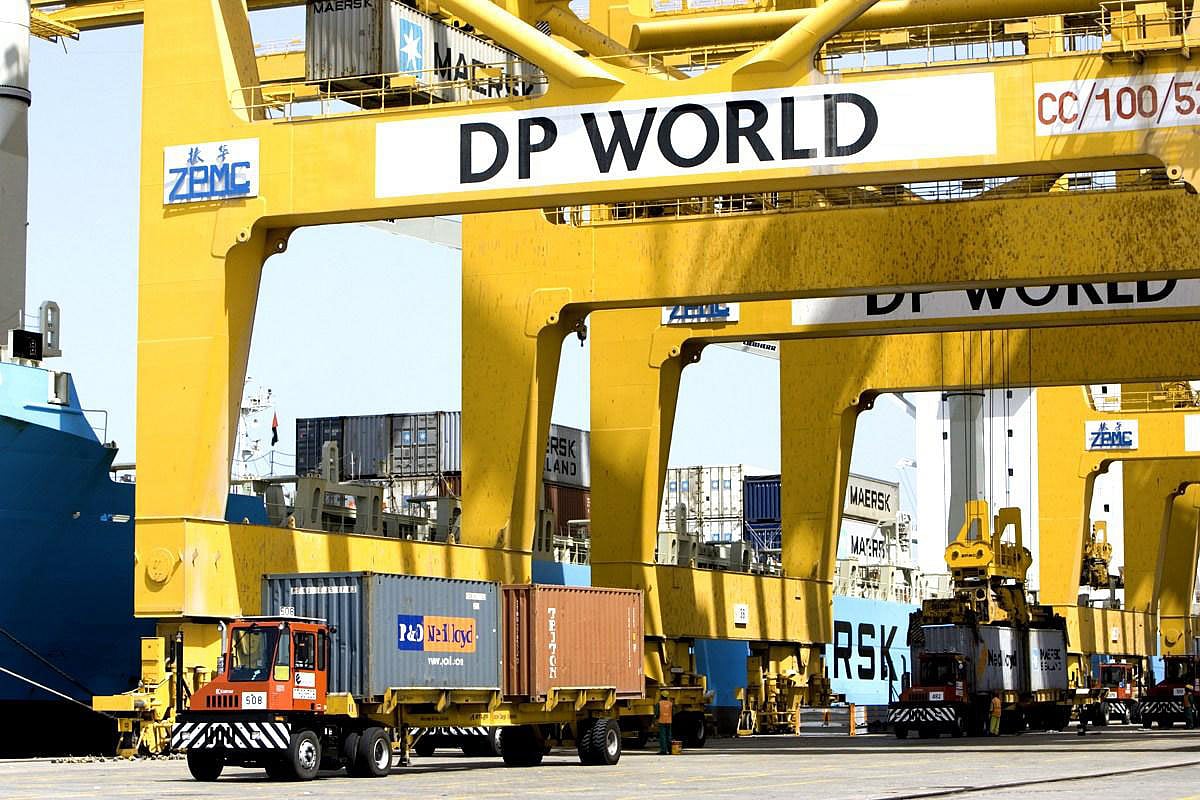
Dubai: DP World is accelerating the development of two major ports in Fujairah, bringing forward their planned opening as the UAE strengthens alternative shipping routes to keep goods moving despite disruptions in the Strait of Hormuz.
The Dubai-based ports operator said the two terminals, involving investments of around Dh2.5 billion, are now expected to begin phased operations within 18 to 24 months, compared with an earlier estimate of 24 to 30 months.
The move follows a major shift in how cargo reaches the UAE. Between early March and the end of October, DP World transported more than one million twenty-foot equivalent units (TEUs), a standard measure of container capacity, from east coast ports to Jebel Ali and domestic markets using trucks and trains.
The alternative routes have allowed shipments to enter through ports outside the Strait of Hormuz before travelling overland to Dubai for customs clearance, storage and distribution.
Get updated faster and for FREE: Download the Gulf News app now - simply click here.
Jebel Ali remains operational
Shehab Mohamad Aljasmi, Chief Commercial Officer, Ports & Terminals at DP World GCC, said Jebel Ali Port had remained open throughout the crisis, with disruptions limiting operations for just six hours since the crisis began.
Speaking at a media briefing on Wednesday, he said DP World had established a trucking network of more than 3,000 vehicles, including 700 owned by the company, to maintain cargo movements.
Around 3,500 TEUs are now moving through these land corridors each day, supported by connections through Sohar and Duqm in Oman and Jeddah in Saudi Arabia.
The company has also opened the Jebel Ali Rail Terminal and established a 100,000-square-metre empty-container depot in Al Awir to ease pressure on port operations.
Dubai Customs and Oman Customs activated a Green Corridor within 72 hours, allowing sealed trucks to transport containers directly to Jebel Ali under customs control. The arrangement facilitated trade flows worth around Dh34 billion between March 1 and June 30, according to Aljasmi.
Shipping recovery to take months
DP World expects shipping services and cargo volumes at Jebel Ali to recover within one to three months once safe passage through the Strait of Hormuz is restored.
Aljasmi said meetings with nine shipping lines in Asia had indicated interest in returning to the port. The pace of recovery would depend on how quickly operators could reposition vessels and reorganise their shipping networks.
Jebel Ali, one of the region's largest container ports, has an annual handling capacity of 19.4 million TEUs and is connected to more than 150 ports worldwide through over 80 weekly services.
It handled 15.6 million TEUs in 2025. DP World said its teams had maintained equipment and operational readiness over the past nine months to prepare for the full return of maritime services.
Feeder shipping services from India and Pakistan, alongside road and rail connections, continue to support cargo movements into the UAE.
Fujairah expansion to add capacity
The two planned Fujairah terminals will provide DP World with additional access to international shipping routes outside the Strait of Hormuz.
Under a 50-year concession, the company will develop the Al Rugaylat container and multi-purpose terminal and the Dibba General Cargo terminal.
Al Rugaylat, near Fujairah International Airport, will have an annual capacity of approximately 2.5 million TEUs, alongside 1.7 million tonnes of general cargo and capacity for 190,000 car equivalent units.
Dibba will add capacity for up to 3.6 million tonnes of general cargo annually, expanding facilities for conventional freight and vehicles.
Once operational, the terminals will increase DP World's total UAE container-handling capacity from 19.4 million TEUs to almost 22 million TEUs.
Al Rugaylat will also accommodate the latest generation of ultra-large container ships, while both terminals will connect with Jebel Ali and Jebel Ali Free Zone (Jafza) through the company's inland logistics network.
Aljasmi said the expansion was intended to establish a long-term network in which cargo could enter through the port best suited to its destination, regardless of whether shipping through the Strait of Hormuz was fully restored or disrupted.
The investment is also expected to support economic activity and employment in Fujairah as the terminals develop.
Jafza attracts Dh1b investment
Despite disruptions to regional shipping, DP World reported continued investment and high occupancy levels at Jafza.
The free zone, which hosts more than 12,000 companies across approximately 57 square kilometres, attracted over Dh1 billion in new investments during the first half of 2026.
Overall occupancy remained above 90%, with land occupancy reaching 94% and warehouses 99%. Office occupancy climbed to its highest level in a decade, Aljasmi said.
The figures indicate continued demand for industrial, warehousing and logistics facilities at one of Dubai's principal trading hubs.
Regional expansion continues
DP World is also maintaining its investment programme across the wider Gulf.
Its South Container Terminal at Jeddah Islamic Port recorded record cargo volumes in July and October following several years of expansion that increased annual capacity to four million TEUs.
The company plans to open its $250 million Jeddah Logistics Park in the first quarter of 2027. Development is also continuing at the Al Rawdah Special Economic Zone near the Oman-UAE border.
Aljasmi said DP World had not suspended any major regional investment projects.
The company is now prioritising permanent cross-border transport connections, faster exchange of customs information and pre-agreed procedures that would allow alternative cargo routes to be activated more quickly during future disruptions.
For the UAE's trade network, the Fujairah investment represents a longer-term change: building additional routes for imports and exports rather than relying on a single maritime gateway.

Sign up for the Daily Briefing
Get the latest news and updates straight to your inbox
Network Links
GN StoreDownload our app
© Al Nisr Publishing LLC 2026. All rights reserved.