US‑Israel war with Iran — day 10 update: What UAE residents need to know
Life across the UAE continues largely as normal, but you need to know this
As the US–Israel–Iran conflict enters its tenth day, authorities across the UAE are continuing to roll out precautionary measures designed to keep residents informed, protected and prepared. While the regional situation remains closely monitored, many updates are simply temporary adjustments — from attraction closures and flight schedules to school exam changes.
The aim: minimise disruption while prioritising safety and clarity. Life across the UAE continues largely as normal, with officials providing steady guidance. Here’s an easy, alphabetical rundown of the key updates residents should know about on March 9.
Stay updated: Get the latest faster by downloading the Gulf News app - it's completely free. Click here for Apple or here for Android. You can also find it on the Huawei AppGallery.
Attractions take a precautionary pause
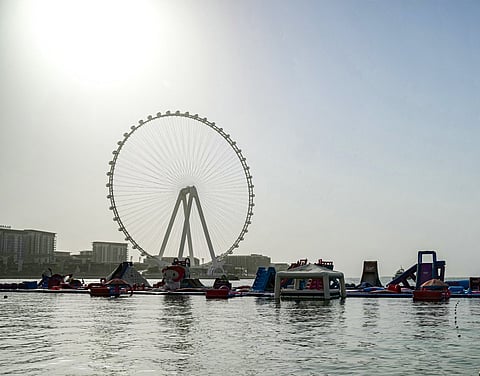
A few of Dubai’s headline attractions are hitting the pause button today — purely out of caution. Global Village, Ain Dubai and Dubai Parks and Resorts confirmed they will remain closed on March 9 as a proactive safety measure in line with official guidance. Operators say the temporary closure is designed to ensure the wellbeing of visitors and staff while authorities continue monitoring regional developments. Think of it less as a shutdown and more as a short breather for some of the city’s biggest entertainment spots, with updates expected once normal operations resume.
Board exams rescheduled to ease student stress
Students across the Gulf have been given a little extra breathing room. India’s Central Board of Secondary Education (CBSE) announced that some Grade 12 Board exams scheduled between March 12 and March 16 will be postponed in several Middle Eastern countries, including the UAE. The decision follows a review of the regional situation and aims to ease stress for students during an uncertain time. New dates will be announced soon. For now, candidates have a bit more time to revise, recharge and prepare before heading back into exam mode.
Energy markets adjust as region stays alert
Energy producers across parts of the Gulf are taking precautionary steps as regional tensions continue. Following reported strikes on energy infrastructure, Bahrain’s state oil company declared force majeure at its refinery, while producers in Qatar and Kuwait have also flagged potential export disruptions. Global markets reacted quickly, with oil prices rising sharply and Asian stocks dipping on supply concerns. While developments are being closely watched, energy companies and governments across the region are experienced in managing fluctuations and maintaining supply stability.
Defence systems successfully intercept threats
The UAE’s advanced air defence systems were activated on Monday and successfully intercepted multiple incoming threats. According to the Ministry of Defence, authorities detected 15 ballistic missiles and destroyed 12 of them, with the remaining three falling into the sea. Air defences also intercepted 17 out of 18 drones detected in the area. Debris from interceptions led to two isolated incidents in Abu Dhabi, with one person sustaining minor injuries and another moderate injuries. Emergency teams responded quickly, highlighting the country’s strong monitoring and response capabilities.
Emirates and other flights gradually returning
Good news for travellers: flight operations are beginning to restart. UAE airlines have resumed limited services following earlier disruptions linked to regional airspace restrictions. While schedules remain subject to safety checks and operational approvals, the gradual return of flights signals progress toward normal travel patterns. Airlines are advising passengers to wait for confirmation from their carrier before heading to the airport to avoid unnecessary trips. With operations restarting step by step, the aviation sector is carefully balancing safety with keeping passengers moving.
Fuel prices steady for now
Drivers across the UAE can breathe easy — petrol prices remain unchanged for now despite global oil market jitters. Crude prices in the Gulf, including the UAE’s Murban benchmark, have climbed sharply amid concerns about shipping routes and regional tensions. However, UAE fuel prices are reviewed only once a month, and March’s rates were already set before the latest surge. Currently, Super 98 is Dh2.59 per litre, Special 95 is Dh2.48 and diesel sits at Dh2.72 — giving motorists some welcome price stability for the time being.