US-Iran war: What UAE residents need to know today (July 16)
What fresh strikes, naval blockade and oil price spikes mean for residents and businesses
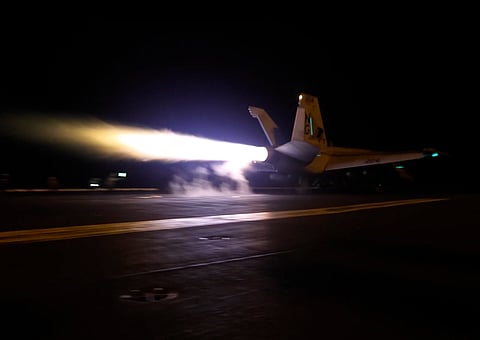
The conflict between the US and Iran entered a new phase overnight on Thursday (July 16, 2026), with fresh US airstrikes, a tougher naval blockade, Iranian retaliation against Gulf states, and growing concerns over shipping, oil prices and regional security.
Get updated faster and for FREE: Download the Gulf News app now - simply click here
Here's a roundup of the biggest developments and what they mean for people living in the UAE.
US expands strikes on Iran
A new wave of airstrikes targeted Iranian military infrastructure after accusing Tehran of threatening commercial shipping and US forces in and around the Strait of Hormuz. Explosions were reported near Tehran and other military sites, while President Donald Trump warned that Washington was prepared to widen its campaign if Iran continued its attacks.
The latest strikes mark one of the most significant escalations since the conflict resumed after the collapse of the previous ceasefire.
US blockade enters a tougher phase
The US Navy intensified enforcement of its naval blockade against Iranian ports. One of the most dramatic incidents came when US forces disabled a Curacao-flagged tanker that allegedly ignored repeated warnings while attempting to sail toward Iran. Two other commercial vessels reportedly turned away before reaching Iranian waters after being contacted by coalition forces.
The blockade is designed to stop ships trading with Iranian ports while allowing normal international traffic through the Strait of Hormuz.
Why the Strait of Hormuz still matters
The Strait of Hormuz remains the world's most important oil chokepoint.
Before the conflict, roughly one-fifth of global oil consumption and about one-fifth of the world's LNG trade passed through the narrow waterway linking the Gulf to the Arabian Sea. Any disruption immediately affects energy prices, shipping insurance and freight costs. Prolonged instability could still affect regional shipping and logistics.
Gulf states remain on high alert
Regional security was heightened after Iran launched missiles and drones toward Bahrain and Kuwait following the renewed US offensive, prompting air raid warnings and air defence interceptions. Gulf nations continue to monitor the situation closely.
Air travel remains largely normal
Despite the military escalation, UAE airports continue operating. However, airlines continue adjusting routes to avoid conflict zones over Iran and nearby airspace whenever required. Passengers are advised to check directly with their airlines before travelling, particularly for flights to Europe, Central Asia and parts of the Middle East. No widespread airport disruptions have been reported in the UAE as of Thursday morning.
Oil prices continue climbing
Markets reacted quickly to the latest military developments.
Brent crude traded around $85 per barrel, extending gains for a fourth consecutive day as traders priced in the risk of further disruption to Gulf energy supplies.
Higher oil prices can eventually influence fuel costs, airline operating expenses and inflation if the conflict continues.
Diplomacy appears stalled
President Trump continues to insist that Iran should return to negotiations but has declined to set any deadline for diplomacy while simultaneously expanding military operations. Iranian officials, meanwhile, have warned they will continue responding to what they describe as US aggression.
Analysts say the risk of miscalculation remains high as both sides increase military pressure while leaving the door open to talks.
What to watch out for today
Any new Iranian missile or drone attacks targeting Gulf countries.
Further US naval actions in the Strait of Hormuz.
Airline announcements regarding flight rerouting or delays.
Oil price movements and their impact on regional markets.
Any diplomatic breakthrough that could reduce tensions.
Authorities continue monitoring developments, while airlines, shipping companies and energy markets remain on heightened alert as the US-Iran conflict enters another unpredictable phase.


