US-Iran conflict: What UAE residents need to know today (July 31, 2026)
Travel alerts, higher costs and security checks reshape daily life for UAE residents
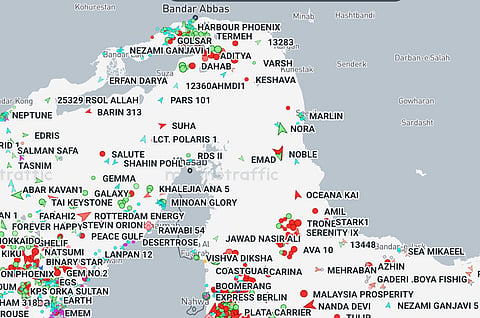
Heightened maritime security and air travel snags amid diplomatic uncertainty remain the biggest concerns for the region on Friday as the US and Iran continue their military confrontation.
There have been no reports of direct attacks on the UAE.
The conflict, however, is affecting regional aviation, commercial shipping through the Strait of Hormuz and global energy markets.
Airlines, shipping companies and governments across the Gulf are closely monitoring developments as tensions remain high.
Some flights disrupted
Multiple airlines have extended flight cancellations, rerouted aircraft or suspended services to avoid airspace over Iran, Iraq and other conflict-affected areas.
Get it: Fast, verified news for FREE ... download the Gulf News app — simply click here
UAE carriers continue operating many international routes but have warned passengers that schedules may change at short notice.
Travelers are advised to check their flight status before leaving for the airport, arrive earlier than usual and expect possible delays due to enhanced security measures.
US expands sanctions on IRGC network
Washington announced additional sanctions targeting companies and individuals in China, India and Russia accused of helping Iran's Islamic Revolutionary Guard Corps (IRGC) finance its operations and circumvent international sanctions.
U.S. officials say the measures are intended to restrict Iran's access to global financial networks, oil revenues and dual-use technologies.
Strait of Hormuz remains in focus
The Strait of Hormuz remains at the centre of the crisis.
The US Navy has increased maritime operations in the Gulf, reported that 24 vessels had been turned back and two others disabled. Iran has maintained that it is challenging what it describes as a US-led blockade.
Washington, however, disputes Iranian claims that commercial shipping has been effectively blocked, saying international trade continues despite heightened security operations.
Commercial tankers are still transiting the waterway, but shipping companies face higher insurance costs, longer voyage times and increased naval escorts.
The UAE sits just south of the Strait of Hormuz, making it one of the countries most exposed to disruptions in Gulf shipping and regional air traffic.
Dubai and Abu Dhabi serve as major global aviation and logistics hubs linking Europe, Asia and Africa. Any escalation in the conflict could ripple through tourism, trade, aviation and supply chains, even if the UAE itself is not directly involved.
Diplomatic efforts continue
Pakistan has stepped up efforts to encourage direct talks between Washington and Tehran, reflecting growing concern that continued fighting could destabilize the wider Middle East.
Meanwhile, regional security concerns intensified after reports of a drone strike in Egypt underscored the potential vulnerability of U.S. interests beyond the immediate conflict zone.
Separately, U.S. President Donald Trump announced what he described as an agreement aimed at securing Hamas' disarmament in Gaza. While the proposal is part of broader regional diplomacy, its direct impact on the U.S.-Iran conflict remains uncertain.
What UAE residents should know
For most residents, daily life in the UAE remains largely normal. However, authorities and industry experts advise remaining alert to rapidly changing travel conditions.
If you're flying today:
Check your airline's website or mobile app before heading to the airport.
Expect possible delays, cancellations or rerouting.
Arrive early to allow additional time for check-in and security screening.
If you work in shipping or logistics:
Disruptions to freight schedules may happen.
Shipping insurance and transport costs are likely to remain elevated while tensions persist.
Oil markets remain volatile
Oil prices dropped on Friday (as of 9.24am GST, July 26, 2026) as traders weighed continued energy exports against the risk of further military escalation.
WTI Crude dropped nearly 2% to $81.96, Brent Crude fell 1.53% to $87.67 while Murban Crude shed $2.29 or 2.60% to $85.71.
While crude shipments have so far continued through the Gulf, analysts warn that any attack on energy infrastructure or shipping lanes could trigger another sharp spike in global oil prices.
The most immediate effects of the US-Iran conflict remain flight disruptions, tighter maritime security and uncertainty.
Officials continue to monitor developments closely, while airlines, ports and businesses adapt to rapidly evolving conditions.
Residents are urged to follow official airline advisories and government announcements as the situation develops.


