US-Iran war: Tehran sets Hormuz deadline as truce hopes grow — what UAE residents need to know tonight, September 25, 2026
Iran seeks return to earlier deal as Hormuz deadline, Saudi attacks keep tensions high
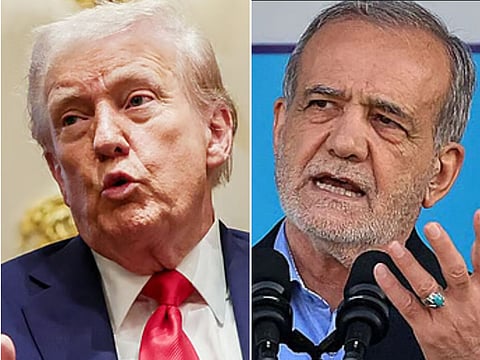
The US-Iran conflict is entering another critical diplomatic window, with Tehran calling on Washington to return to an earlier agreement before the US midterm elections and setting a four-to-five-day deadline for reopening the Strait of Hormuz on its terms.
But fighting elsewhere in the region continues. Houthi forces have launched another wave of attacks on Saudi Arabia, while Saudi Arabia, Turkey and Pakistan are preparing urgent military talks.
Get updated faster and for FREE: Download the Gulf News app now - simply click here.
For UAE residents, the main developments this Friday afternoon and evening are the diplomatic push, the Hormuz deadline, continued pressure on oil markets and changing flight schedules.
Here is what you need to know on September 25.
Iran wants US back in deal before midterms
Iranian President Masoud Pezeshkian says Tehran wants Washington to return to the memorandum of understanding reached earlier in the conflict before the US midterm elections in November.
Speaking to NBC News and other media in New York, Pezeshkian said Iran did not want negotiations to drag on until the elections.
His comments follow renewed indirect contacts between Iran and the United States during the UN General Assembly.
Despite the diplomatic activity, major differences remain between Washington and Tehran over the conditions needed to end the conflict and restore normal shipping through the Strait of Hormuz.
Iran gives US four to five days over Hormuz.
Tehran has also put Washington on a four-to-five-day clock over its conditions for reopening the Strait of Hormuz.
Mohsen Rezaei, secretary of Iran’s Supreme National Security Council, said the United States had been given “four or five days” to implement Iran’s conditions fully.
He did not specify what Tehran would do if Washington rejected them, saying Iran would decide its next step after the deadline.
Iran has previously demanded reduced US military pressure and an end to the blockade of Iranian ports as part of a broader arrangement to restore shipping through Hormuz.
The strategic waterway remains heavily disrupted months into the conflict, although vessels continue to transit under restricted conditions.
Houthi attacks keep Saudi Arabia on alert
Fighting involving Yemen’s Iran-backed Houthis is adding another layer of uncertainty.
Saudi Arabia said its forces intercepted six ballistic missiles launched by the Houthis towards Taif and the Yanbu area on the Red Sea.
The Houthis later said they had targeted Riyadh, the Jazan region and Saudi Aramco facilities in Yanbu with missiles and drones.
Saudi Arabia, Turkey and Pakistan are now preparing an urgent meeting of their military chiefs to discuss assistance for the Kingdom as the attacks intensify.
The three countries agreed this month to a joint defence arrangement under which an attack on one would be considered an attack on all.
Yanbu is particularly important to energy markets because Saudi Arabia has increasingly relied on its Red Sea export infrastructure while shipping through Hormuz remains disrupted.
Oil stays above $105
Oil prices eased on Friday as hopes of a US-Iran truce outweighed some of the immediate concern surrounding the Houthi attacks.
Brent crude was trading around $105 a barrel during the day after climbing about 3 per cent on Thursday to a one-week high.
Markets are balancing two competing risks: the possibility that renewed diplomacy could eventually restore more normal oil flows through Hormuz, and the threat that Houthi attacks could further disrupt Saudi energy infrastructure.
Brent nevertheless remains significantly above levels seen before the latest escalation.
Netanyahu defends Iran strikes at UN
Israeli Prime Minister Benjamin Netanyahu used his UN General Assembly address to defend Israel’s role in the war against Iran and its continuing campaign in Gaza.
Netanyahu described the decision to attack Iran as necessary for Israel’s security.
Dozens of delegates walked out of the General Assembly hall as he began speaking, while supporters in the gallery applauded.
His appearance came amid continuing international pressure over the Gaza war and wider concern that the US-Iran conflict is feeding instability across the Middle East.
UAE suspends flights operated by Iranian airlines
The UAE’s General Civil Aviation Authority has suspended flights operated by Iranian airlines to and from the country until further notice.
The measure took effect on September 24.
The GCAA said the decision followed a US ban affecting Iranian airlines’ use of airports worldwide.
The authority said it would continue to update the public and relevant authorities on developments until normal air traffic resumes between the UAE and Iran.
UAE flights: What passengers need to know
UAE airlines and airports continue operating, but travellers are facing selected delays and cancellations as schedules remain fluid.
The latest Gulf News flight tracker shows delays on some services from Dubai and Abu Dhabi. Emirates and Etihad continue to operate their networks with individual delays and cancellations, while Air Arabia has cancelled selected services to Bahrain and Kuwait. No major disruption was listed for flydubai in the latest update.
Several international carriers also continue to restrict UAE services, with some not scheduled to return until late October or November.
Not every disruption is related to the regional conflict; technical and normal operational issues are also affecting flights.
Passengers should check their individual flight status directly with their airline before travelling to the airport.
Flight status alert: Always check official airline websites for real-time updates, as flight schedules and conditions can change rapidly.
What UAE residents should watch this evening
The immediate diplomatic focus is Iran’s four-to-five-day deadline over the Strait of Hormuz and whether Washington responds to Tehran’s conditions.
Pezeshkian’s call to return to the earlier MoU before the US midterms suggests Tehran is seeking a diplomatic route out of the conflict, but no agreement has been reached on the terms.
The Houthi campaign against Saudi Arabia is another major risk, particularly if attacks continue against energy infrastructure around Yanbu.
For UAE residents, flights remain operational overall,, but individual schedules can change, while oil prices above $105 continue to reflect uncertainty around both Hormuz and Saudi energy supplies.