Strait of Hormuz reopens: More than 20 ships turn back to Iran amid US blockade
Reopening under tight controls keeps oil lifeline vulnerable to fresh disruption
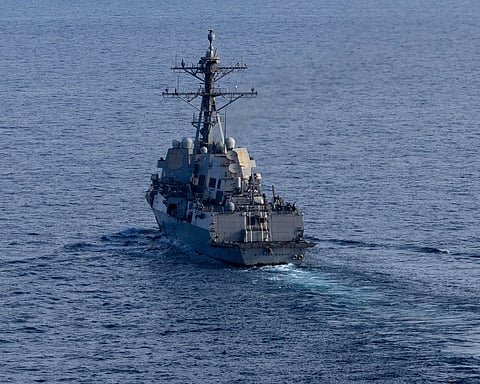
Iran has said it has fully reopened the Strait of Hormuz to commercial shipping, but vessel movement remains tightly controlled, with Tehran retaining oversight of transit routes and limiting passage to designated corridors.
The strategic waterway, which carries around 20% of global oil trade, has been under severe strain since the US–Israel conflict with Iran escalated in late February. A fragile US–Iran ceasefire is set to expire on April 22, fuelling concerns over renewed disruption.
Get updated faster and for FREE: Download the Gulf News app now - simply click here.
Ship movements remain constrained
Despite Iran’s reopening announcement, maritime tracking data and industry analysts say traffic through the strait remains subdued, with shipping firms continuing to exercise caution.
US Central Command said 21 vessels have turned back to Iran since the US began a blockade of Iranian ports in the Gulf and Gulf of Oman on 13 April. “Since commencement of the blockade, 21 ships have complied with direction from U.S. forces to turn around and return to Iran,” it said on X.
Iran’s announcement of reopening came shortly before parliamentary Speaker Mohammad Bagher Ghalibaf warned the strait could be closed again if US naval restrictions are not lifted.
US maintains pressure and blockade stance
Donald Trump said the US naval blockade on Iranian shipping will remain in place until a broader agreement is reached, including on Iran’s nuclear programme.
He described the situation as “a great and brilliant day for the world”, while warning restrictions would continue “in full force” if negotiations fail to progress.
Speaking aboard Air Force One, Trump also raised the possibility of not extending the ceasefire beyond Wednesday if talks collapse, warning of potential renewed military action.
“Maybe I won’t extend it,” he said. “Maybe I won’t extend it, so you have a blockade, and unfortunately we have to start dropping bombs again.”
Trump rejects tolls in Strait of Hormuz
Trump also dismissed any suggestion of fees or tolls for shipping through the strait.
“Nope, no way,” he told reporters. “There are not going to be tolls.”
He added that while tensions remain high, he believes a deal with Iran is still possible and could be reached soon.
Tehran warns of possible re-closure
Iran has warned it could shut the waterway again if US pressure continues. Parliamentary Speaker Mohammad Bagher Ghalibaf said the strait “will not remain open” if the blockade persists, underscoring rising tensions over control of the maritime chokepoint.
Officials also indicated that US military pressure would not force concessions, signalling continued confrontation over shipping and sanctions.
Diplomacy and regional risks
US and Iranian delegations are expected to travel to Pakistan this weekend for possible talks on Monday, though Washington has not confirmed the meetings.
At the same time, a separate ceasefire involving Israel and Hezbollah in Lebanon is largely holding, despite reports of sporadic violations.
Analysts warn that uncertainty over the Strait of Hormuz continues to weigh on global energy markets, with any escalation posing risks to oil flows and maritime stability worldwide.


