Why is touching shrapnel so dangerous? Qatar ministry explains
MOI urges residents to avoid shrapnel and report dangerous fragments immediately
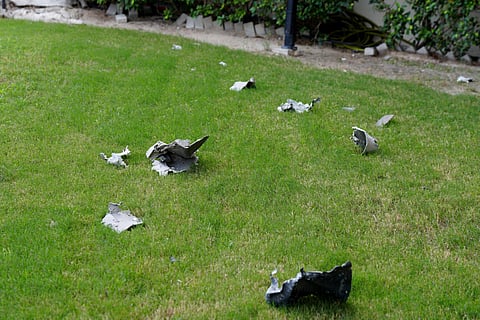
The Ministry of Interior (MOI) has issued urgent safety guidance on the dangers of handling shrapnel after accidents or explosions.
In a statement, the MOI explained the need to stay away from shrapnel and avoid touching it. The ministry noted that shrapnel is often irregular and sharp, which can cause deep wounds or bleeding if handled or moved.
Stay updated: Get the latest faster by downloading the Gulf News app - it's completely free. Click here for Apple or here for Android. You can also find it on the Huawei AppGallery.
Why touching shrapnel is dangerous
Sharp edges: Shrapnel is often irregular and can cause deep cuts or severe bleeding.
Unexploded fragments: Some pieces may not have detonated fully and can explode if moved.
Obstructing investigations: Handling fragments can disturb evidence, complicating the work of specialised teams.
Hidden risks of shrapnel
Extreme heat: Shrapnel can be very hot due to friction or blast impact, causing burns.
Toxic residues: Some fragments may carry fuel, chemicals, oils, heavy metals, or industrial materials, posing health hazards and environmental risks.
The MOI strongly urges residents to avoid touching or moving shrapnel and to report any dangerous fragments to the authorities immediately.


