OFW pass and eTravel: Everything you need to know
Here’s a quick guide about the new digital exit clearance and online travel form
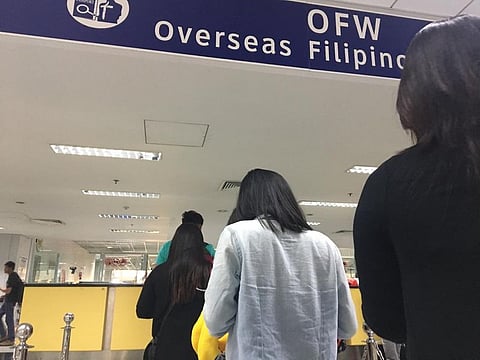
Dubai: For the millions of Filipinos living and working around the world, travelling to and from the Philippines now involves two important digital requirements: the OFW pass and eTravel registration.
Both are free and completed online, but they serve very different purposes. Many overseas Filipino workers (OFWs) mistakenly believe one replaces the other. It does not.
What is OFW pass?
The OFW pass is a digital exit clearance issued by the Department of Migrant Workers (DMW) and serves as an identification for returning workers, also known as “Balik Manggagawa.”
In simple terms, the OFW pass proves that you are a legally documented and an active overseas worker with a valid employment contract. It confirms that you are authorised to leave the Philippines to resume work abroad, including in the UAE.
Unlike the overseas employment certificate (OEC), which only lasts for 60 days and can only be used once, the OFW pass remains valid until the expiration of your employment contract. This makes it a long-term document rather than something you apply for every time you travel.
The pass can be accessed through the DMW mobile app or the eGovPH super app. It is fully digital and is linked to your employment records in the DMW system.
Moreover, it is exclusive for OFWs and the service is free. Tourists and other travellers do not need it.
What is eTravel?
eTravel is a separate and mandatory online travel and health declaration system required by the Philippine government for border control. It applies to everyone travelling internationally to or from the Philippines including Filipino citizens, foreign nationals, and departing and arriving passengers.
It functions as a digital arrival or departure card and records your flight details and travel information. It also serves as a health declaration form.
Registration must be completed within 72 hours or three days before your flight and is valid only for one specific trip. Each time you travel internationally, you must submit a new eTravel registration.
Travellers can register through the official eTravel website or via the eGovPH super app. Similar to the OFW pass, it is free of charge.
Why OFWs need both
If you are flying home to Manila for vacation and later returning to the UAE to resume work, you will need to complete eTravel registration for your departure and arrival.
Likewise, when leaving the Philippines to return to your overseas job, you must also present a valid OFW pass as proof that you are a registered worker with a valid contract.
The easiest way to understand the difference is that the OFW pass proves you are authorised to work abroad and exit the Philippines as an overseas worker, while eTravel records your specific flight movement in and out of the country. The former confirms your employment status while the latter confirms your travel details.
Many OFWs mistakenly assume that completing eTravel is enough to leave the Philippines. However, immigration officers will still look for proof of overseas employment clearance, which is where the OFW pass comes in.
Smooth travel starts with preparation. Before heading to the airport, double check all necessary requirements apart from the OFW pass and eTravel. Understanding the difference between these two digital systems can help avoid delays at the Philippine immigration and ensure a hassle-free return to work in the UAE.