The endgame: Can Trump bomb Iran into a peace deal?
If we need to negotiate with bombs, we will negotiate with bombs, Hegseth says
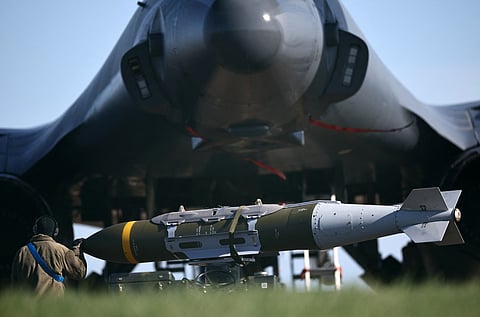
Dubai: Fresh exchanges of fire between the United States and Iran have pushed the conflict into its most dangerous phase yet and raised a question that goes far beyond the latest battlefield developments: Can President Donald Trump bomb Iran into accepting a peace deal?
The Trump administration appears to believe the answer is yes.
Hours after ordering new strikes on Iranian targets, Trump accused Tehran of dragging out negotiations and vowed to maintain military pressure. Defence Secretary Pete Hegseth was even more blunt.
Also In This Package


“If we need to negotiate with bombs, we will negotiate with bombs,” he said, describing the latest attacks as part of an effort to strengthen Washington’s diplomatic position.
The strikes targeted Iranian surveillance systems, communications infrastructure and air-defence assets, according to US Central Command. They came amid renewed tensions over the Strait of Hormuz and growing frustration in Washington over stalled negotiations.
But after more than three months of war, repeated US and Israeli strikes and multiple mediation efforts, Iran still has not accepted Washington’s terms.
That has exposed what analysts increasingly see as the central challenge facing Trump’s strategy: Military pressure may be producing tactical successes, but it has yet to deliver a diplomatic breakthrough.
As CNN noted in an analysis, US forces continue to score battlefield gains, yet “military options are yet to secure an overall strategic triumph”.
More pressure, no breakthrough
The administration’s logic is straightforward. By increasing the cost of resistance, Tehran will eventually conclude that accepting a deal is preferable to continued confrontation.
Yet the evidence so far points in a different direction.
Despite repeated claims by Trump that an agreement is close, negotiations remain stalled. A fresh mediation effort by Qatar this week reportedly failed to bridge the remaining gaps between the two sides.
Instead of signalling surrender, Iran has responded with new missile and drone attacks while continuing to insist that sanctions relief and the unfreezing of assets are essential parts of any settlement.
Iran’s ambassador to the United Nations, Amir Saeid Iravani, summed up Tehran’s position this week.
“No lasting agreement can be achieved through threats, intimidation or the use of force,” he said.
Or, as CNN put it, Iran wants the world to know that it “can’t be bombed back to the negotiating table”.
Why Tehran still feels confident
A key reason for Iran’s defiance is that its leaders appear convinced they still possess leverage.
The most obvious example is the Strait of Hormuz, the world’s most important oil chokepoint.
Iran’s ability to threaten shipping and disrupt global energy markets continues to give it bargaining power, even as the country faces severe economic strain.
The New York Times noted that the latest US strikes appeared aimed in part at loosening Tehran’s grip on the strait and narrowing its options ahead of any future negotiations.
Yet from Iran’s perspective, merely surviving months of US and Israeli military pressure amounts to a form of victory.
The regime remains in power, continues to retaliate and shows little sign of accepting Washington’s demands.
The danger of miscalculation
The risk for Washington is that every new strike increases the possibility of escalation.
US officials insist the goal is not a return to full-scale war but rather to pressure Iran into accepting American conditions. Yet each exchange of fire makes that objective harder to control.
The ceasefire that followed earlier rounds of fighting increasingly resembles less a peace agreement than a fragile understanding to keep hostilities below a certain threshold.
Iran has warned of “highly dangerous consequences” following the latest attacks, while Revolutionary Guard commanders have threatened severe retaliation if strikes continue.
Trump’s strategy may yet succeed. History offers examples of conflicts where mounting pressure eventually forced one side to compromise. But after months of war, Tehran continues to reject key US demands and shows little sign of backing down.
As one CNN analysis noted, US forces may be winning tactical battles, but those gains have yet to produce a strategic breakthrough. Tehran continues to insist it cannot be “bombed back to the negotiating table.” After three months of war, the question is no longer whether Washington can hit Iran harder. It is whether more bombs can deliver the peace deal Trump wants.


