How Al Ain Museum transforms into UAE heritage treasure
Abu Dhabi is leading the efforts to develop and revitalise Al Ain Museum
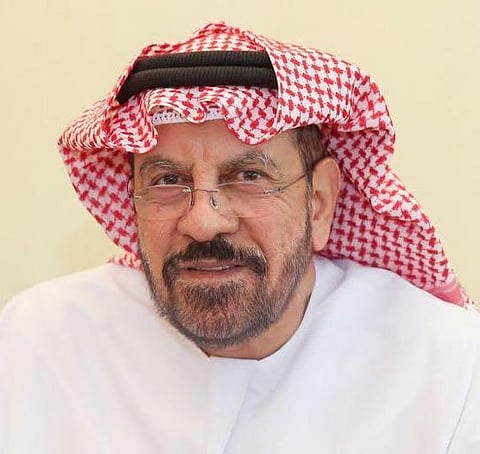
Mohamed Khalifa Al Mubarak, Chairman of the Department of Culture and Tourism – Abu Dhabi, is leading the efforts to develop and revitalise Al Ain Museum — the first museum established in the United Arab Emirates — transforming it into a national treasure that showcases the region’s rich heritage and tells the story of the country’s deep-rooted past, while highlighting the importance of preserving history for future generations. The renewed museum presents artefacts from prehistoric eras, as well as rare bronze jewellery and weapons.
Al Mubarak affirms that museums play a vital role in strengthening national identity and building bridges of knowledge between different cultures and communities in the UAE and around the world. He notes that museums today have become laboratories of knowledge, creativity and discovery — a vision embodied by the cultural institutions of the Saadiyat Cultural District, which serve as dynamic platforms for research, education and dialogue.
This commitment is rooted in the vision of the late founding father, Sheikh Zayed bin Sultan Al Nahyan, who, in 1969 — before the Union and before the establishment of the UAE — directed the creation of the first museum in the Al Ain region, based on the timeless belief that “he who has no past has neither present nor future.”
Speaking to Gulf News in an exclusive interview, Al Mubarak explained that over the past decade Abu Dhabi has accelerated its cultural development with a clear strategic vision, advancing major museum projects within the Saadiyat Cultural District, including Zayed National Museum, the Natural History Museum Abu Dhabi and Guggenheim Abu Dhabi, alongside Louvre Abu Dhabi and teamLab Phenomena Abu Dhabi. In parallel, key heritage institutions such as Al Ain Museum and Qasr Al Hosn have been restored, while national cooperation has been deepened to safeguard intangible cultural heritage and strengthen its presence on UNESCO lists.
The full text of the interview follows.
1. How does the reopening of Al Ain Museum exemplify Abu Dhabi’s leadership in revitalising cultural institutions and strengthening national identity?
Al Ain Museum holds a unique place in our collective memory and stands as a tribute to the vision of the late Sheikh Zayed, who understood the importance of safeguarding our past to inspire future generations. This is about more than a renovation; it is a profound act of revitalisation for the UAE's first museum. We have managed to transform a national treasure while still retaining its original structure. The museum’s reopening marks a milestone in our efforts to share the cultural heritage of the UAE, connecting visitors to the deep roots of the Al Ain Region and its role in shaping our identity. By presenting these foundational stories we are cultivating a deeper understanding of our heritage, the ingenuity of our ancestors, and the factors that have sustained life here for millennia.
2. Tell us how the museum uniquely contributes to our understanding of the UAE.
The museum’s unique contribution lies in dynamically presenting 8,000 years of human history from the Al Ain Region. This deep historical narrative, combined with restored architecture and immersive storytelling, offers profound understanding of our roots and ancestral ingenuity. By building bridges of understanding and dialogue, Al Ain Museum strengthens our identity and highlights how the UAE’s story of progress is a global one.
3. What is the long-term strategic plan for the Al Ain Museum to adapt and innovate?
We have reimagined this national treasure not merely as a repository of the past, but as a dynamic, forward-looking institution. However, a cultural capital like Abu Dhabi is measured not only by its institutions, but also by its people. By empowering communities and inspiring future generations, the emirate ensures that its evolving story remains authentic, resonant, and globally relevant. In doing so, we show how the power of a place lies in its ability to connect past and future, tradition and innovation, local roots, and global aspirations. Al Ain Museum now features dedicated research facilities and educational spaces designed to foster ongoing discoveries. Through interactive workshops and hands-on activities, we want to engage visitors of all ages, ensuring that future generations have an opportunity to appreciate our rich cultural heritage.
4. Al Ain Museum and Zayed National Museum both champion the legacy of the UAE’s founding father. What distinguishes the museums from one another?
Al Ain Museum and the Zayed National Museum are profound embodiments of the late Sheikh Zayed bin Sultan Al Nahyan’s vision. As the UAE’s first museum, personally founded by Sheikh Zayed, Al Ain Museum is deeply rooted in the specific history and heritage of the Al Ain Region, showcasing the ingenuity and cultural practices that shaped this crucial oasis. The recently opened Zayed National Museum, within the Saadiyat Cultural District, serves as the national museum of the UAE. While also honouring our founding father’s legacy, it presents a broader, comprehensive narrative of Emirati history. This institution will embody Sheikh Zayed’s commitment to knowledge, openness, and progress on a national scale. In essence, Al Ain Museum can be viewed as the historical cradle of the UAE, while Zayed National Museum is the grand national narrative.
5. Taking a step back, what inspired DCT Abu Dhabi’s renewed emphasis on Al Ain Region?
Al Ain Region is the historic heart of our emirate, the narrator of our rich history and heritage. We are unlocking its untapped potential for residents and businesses while displaying its unique spirit to audiences around the world. The implementation of Abu Dhabi’s Tourism Strategy 2030 is strengthening Al Ain Region’s position in the tourism landscape, with the aim to welcome around 520,000 overnight leisure hotel guests a year by 2030. Alongside the redevelopment of Al Ain Museum, DCT Abu Dhabi is bringing greater awareness to local landmarks such as Qasr Al Muwaiji, Al Jahili Fort, and Al Qattara Arts Centre.
GCC tourism ministers selected Al Ain Region as Gulf Capital of Tourism 2025, reflecting the region’s embodiment of Emirati hospitality and its wide range of experiences across culture, wellness and adventure.