UAE’s trans fat ban explained: What it means for families as schools reopen
As students return to school, UAE’s nutrition strategy refocuses on healthier food choices
Dubai: As students across the UAE return to classrooms on April 20, a wider conversation around what children eat, both in school and at home, comes to light.
While the back-to-school season is not directly tied to policy changes, it comes just weeks after the UAE Cabinet has approved the National Healthy Nutrition Strategy 2031, placing healthy eating at the core for families.
The strategy has included 16 initiatives aimed at promoting healthier lifestyles and strengthening food regulations. A key measure is the ban on partially hydrogenated oils (PHOs), the main source of artificial trans fats found in many processed foods.
According to the World Health Organisation, more than 278,000 deaths globally each year are linked to trans fat intake, which increases the risk of heart disease by clogging arteries.
With this, it has highlighted that governments have a “central role” in establishing healthy food environments that allow people to practise and maintain fit dietary habits.
Get updated faster and for FREE: Download the Gulf News app now - simply click here.
School food choices
With children spending hours on campus again, attention is turning to the types of food they consume during the school day.
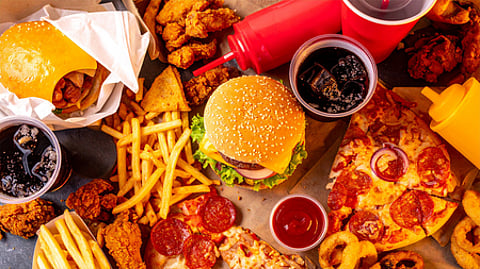
PHOs are commonly found in cafeteria staples such as french fries, fried chicken, packaged cookies and cakes, as well as in items like margarine and coffee creamers used for their longer shelf life.
The UAE’s strategy has placed strong emphasis on limiting obesity among school age children and adolescents, while also reducing overweight rates among children under five, making school food environments an area of focus.
What the trans fat ban means for daily diet
The removal of PHOs has been expected to impact a range of everyday foods, many of which are part of regular family meals and snacks.
Rahaf Altowairqi, clinical dietician at Medcare Royal Speciality Hospital, has noted that many people may not realise how often they consume trans fats.
“Artificial trans fats are most commonly found in processed baked goods, fried foods, and packaged snacks,” Altowairqi told Gulf News.
She has encouraged healthier alternatives like replacing unhealthy fats with options such as olive oil, nuts, seeds, and avocados, noting that the removal of artificial trans fats will not negatively affect the taste of food.
“Manufacturers can use healthier alternatives without compromising flavour or texture. In fact, many food producers have already adapted their recipes successfully.”
When it comes to prices, Altowairqi has revealed that there may be a “slight increase” in some products initially due to reformulation costs.
“In the long term, the impact on prices is expected to be minimal, especially as healthier ingredients become more widely available and cost-effective.”
Moreover, she has described the move as a “positive step” to improve overall health outcomes.
“Over time, reducing artificial trans fats can help lower cholesterol levels, support weight management, and reduce the risk of cardiovascular disease, obesity, type 2 diabetes, and hypertension.”
Why trans fats are widely used
PHOs have long been popular in the food industry because they extend shelf life and enhance texture, but at a cost to health.
Prachi Telang, clinical dietician at Prime Medical Centre, has stressed that PHOs are not “generally regarded as safe” for use in food.
“Food products with the highest artificial trans fat content are bakery products like doughnuts, biscuits, rolls, ready to eat meals like frozen pizza, desserts, and packed snacks like chips. Fried foods like french fries, microwave popcorn, non dairy coffee creamer, and stick margarine,” shared Telang.
She has warned that consumption of these raises LDL-C levels or bad cholesterol and lowers HDL-C or good cholesterol, which then contributes to artery calcification and inflammation. Even cooking habits, such as reheating oil, also add trans fat content.
Her advice is to read labels by looking for words like “hydrogenated” or “partially hydrogenated” in the ingredients list.
“Certain healthier alternatives can be expensive. Some products may find it challenging to match the original taste as well, but they prevent obesity, reduce healthcare burdens, and decline deaths related to cardiovascular conditions.”
Wider health goals
Beyond eliminating trans fats, the UAE’s strategy has been eyed to enhance access to healthy and sustainable food systems across the country.
It has been centred on raising awareness, promoting healthier alternatives, and building systems to monitor nutrition nationwide.
“This is a strong step towards a healthier UAE, encouraging better food choices and long-term wellness,” stated Alvis Benny, clinical dietitian at Aster Clinic.
A long-term shift in how UAE families eat
With regulatory action, industry reformulation, and growing awareness coming together, the UAE’s latest move has signalled a shift in everyday diets.
By cutting out artificial trans fats and promoting healthier alternatives, the strategy is set to make food choices safer, both in school environments and at home.
For families, the changes may be subtle at first. But over time, they could play a big role in scaling down the risk of heart disease, obesity, and diabetes, helping build healthier habits for future generations.