UAE warns of hidden digital threats targeting family stability
Sharjah official warns online platforms are harming youth and family ties
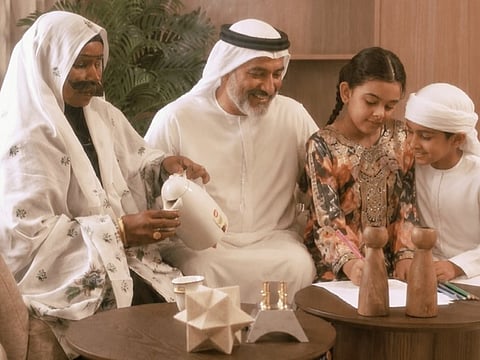
Sharjah: Suspicious digital platforms targeting young people and spreading harmful content are threatening family stability and social cohesion in the UAE, a Sharjah official has warned.
Fatima Al Marzouqi, Director of the Family and Child Protection Centre at the Sharjah Social Services Department, said some online platforms are deliberately influencing youth through paid content that conflicts with religion, public values and social order, while weakening family bonds and creating division within families.
Get updated faster and for FREE: Download the Gulf News app now - simply click here.
Speaking on the occasion of the International Day of Families, observed annually on May 15, Al Marzouqi said rapid social changes, social media and foreign influences promoted through suspicious digital platforms are having a direct impact on families, especially children and young people.
“I fear for families because of the changes in life, social media and the foreign problems being introduced into our society through cheap and suspicious digital platforms,” she said, warning that the effects extend beyond individual families and impact society as a whole.
Al Marzouqi said this year’s International Day of Families carries added significance after the UAE declared 2026 the “Year of the Family” under the slogan “Growth and Belonging”, aimed at strengthening family ties, reinforcing social values and deepening intergenerational relations.
She noted that the UAE has adopted a comprehensive national family policy covering family formation, marriage and long-term stability, including initiatives supporting young Emiratis in establishing stable families.
Al Marzouqi said Sharjah has introduced several family-focused policies. Under Sharjah’s Human Resources Law, newly married government employees are granted two weeks of marriage leave. Authorities are also encouraging citizens to have more children as part of the “Growth and Belonging” vision.
She said awareness campaigns, lectures and Friday sermons are being used to encourage childbirth and highlight the importance of increasing birth rates, describing it as a relatively new social direction compared to previous years.
Al Marzouqi also highlighted healthcare support for pregnant women and newborns as part of the Year of the Family strategy. The initiative includes expanding healthcare services, encouraging childbirth and developing integrated educational, recreational and family-support programmes aimed at strengthening family stability.
She pointed to social benefits provided to families, including the Fazaa card, which offers discounts and privileges, as well as financial support that increases according to the number of family members.
Al Marzouqi said the new policies were introduced partly in response to changing social trends among younger generations, including delaying marriage, marrying foreign spouses and limiting families to one or two children.
“These patterns are different from the traditional Emirati family structure in the past, which was characterised by extended families, early marriage and larger numbers of children,” she said.
She added that the Sharjah Social Services Department is focused on improving family stability, living standards and financial security through social assistance and specialised protection services aimed at preventing family breakdown and addressing social problems.
The department is also working to strengthen national identity and belonging among family members through educational and awareness programmes guided by the vision of His Highness Sheikh Dr. Sultan bin Muhammad Al Qasimi, Member of the Supreme Council and Ruler of Sharjah.
Discussing the role of the Family and Child Protection Centre, Al Marzouqi said the centre provides psychological, social and family support services for all age groups, from children to senior citizens.
Among its programmes is the family reunion initiative, which she said has restored stability and cohesion in 80 per cent of the cases handled by the centre by reuniting family members separated due to social and economic circumstances.
The centre also runs the Prevention initiative for families of inmates in correctional institutions, offering financial, social and psychological support to reduce the impact caused by the absence of a family member.