Ramadan’s two rush hours transform daily life across the UAE
Pre-iftar traffic and 4am suhoor crowds redefine urban rhythms nationwide
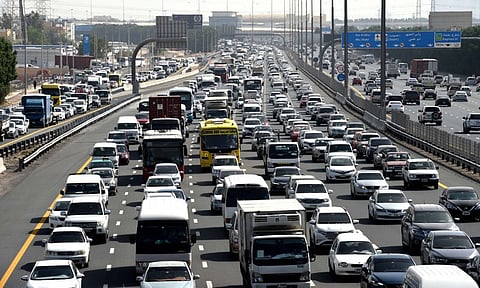
Dubai: In the UAE during Ramadan, daily life shifts into two rush hours — the intense pre-iftar surge before sunset, and a second, lesser-known wave of activity in the hours before dawn for suhoor — reshaping how emirates move, trade and work during the holy month.
In the final two hours before iftar, roads, supermarkets and restaurants see some of their highest traffic of the day. Grocery stores experience last-minute shopping spikes, takeaway counters fill with queued orders and delivery drivers race to complete drops before the sunset call to prayer that marks the end of the fast.
Traffic authorities typically record heavier congestion just before sunset, as residents head home or to family gathering places. Bakeries, sweet shops and restaurants operate at full capacity, preparing large volumes of fresh food timed precisely for iftar.
But when the evening crowds fade, a second cycle builds overnight. Between roughly 3 and 5am, emirates awaken again for suhoor, the final pre-fast meal. Bakeries restart production runs, cafés serve pre-dawn diners, and 24-hour supermarkets see renewed footfall. Delivery platforms and cloud kitchens report elevated order volumes through the late night, driven by group meals and shifted sleep schedules.
Mosques fill for late-night and pre-dawn prayers, while petrol stations, convenience stores and neighbourhood eateries operate at near daytime pace.
Essential sectors mirror the shift. Airport teams, hospitals, police patrols and municipal services adjust staffing to match Ramadan patterns, with more overnight coverage and lighter daytime schedules in some departments.
Apart from its spiritual atmosphere, Ramadan creates a split-day economy, with commercial and social activity concentrated around sunset and pre-dawn rather than traditional daytime peaks, a rhythm that defines the month’s unique urban pulse across the country.


