Ramadan work hours in UAE: Private sector rules, exemptions and overtime explained
Operational demands mean some employees do not receive the two hour reduction
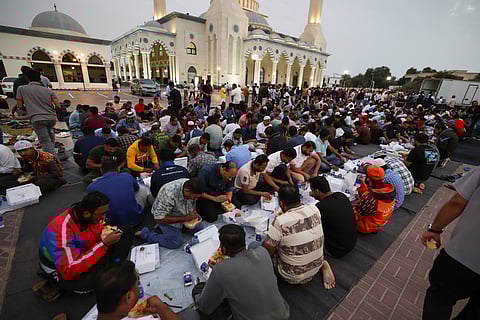
Dubai: Ramadan has begun in the UAE, and private sector employees are entitled to shorter working hours during the holy month. Under Article 15(2) of Cabinet Decision No. 1 of 2022, which implements Federal Decree-Law No. 33 of 2021, working hours are reduced by two hours a day for all private sector employees, regardless of religion, role or job category.
Which jobs are not entitled to reduced work hours in Ramadan?
Although this applies to almost the entire private sector, there are few exceptions, certain jobs and roles which are not entitled to reduced working hours in Ramadan and operate as per their normal work hours.
“However, employees working in certain roles, such as shift-based operations, security, healthcare, hospitality, or other roles where business continuity is essential, may be subject to alternative working arrangements. Even in such cases, employers must ensure compliance with the maximum working hours prescribed by law and compensate any excess hours in accordance with overtime rules,” Sunil Ambalavelil, principal partner at Nasser Yousuf Alkhamis Lawyers (NYK Lawyers) and Legal Consultants.
This is also practiced in certain freezones, such as DIFC and ADGM, are subject to separate labour laws. As per DIFC’s Employment Law, during Ramadan, Muslim employees have reduced working hours and shall not be required to work over six hours a day. These reduced working hours are not applicable for non-Muslim employees.
What happens if you work overtime in Ramadan?
“The regular working hours are reduced by two hours. If an employee is required to work beyond the reduced working hours, such additional time would generally be considered as ‘overtime’ and should be compensated in line with the applicable provisions of UAE Labour Law,” Ambalavelil.
You can claim overtime from your employer if you work beyond the regulated Ramadan hours. The employer may ask the worker to work overtime, provided the number of extra hours does not exceed two hours in one day.
How is overtime compensation calculated?
If the nature of the work requires the worker to work beyond the normal working hours, then he will be entitled to a pay equal to normal working hours' remuneration (which is based on basic salary) plus 25 per cent of that pay. It could increase to 50 per cent if overtime is done between 10 pm and 4 am. This rule does not apply on workers who work on basis of shifts.
If the circumstances require the worker to work on his off-day, as specified in the labour contract, or work regulations, then the worker will be entitled to a substitute rest day, or to a pay equal to normal working hours' remuneration (which is based on basic salary) plus 50 per cent of that pay.


