Feeling lonely this Ramadan in UAE? Doctors say you’re not alone this year
Experts explain why joining community iftars and suhoor gatherings matters
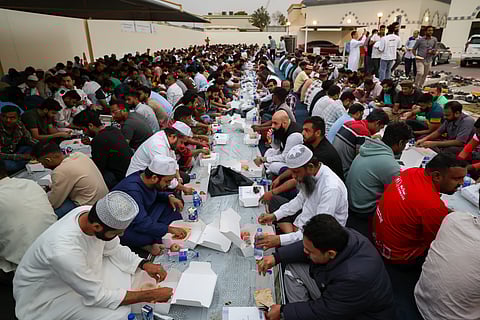
For Abdullah, a 28-year-old expat in Dubai, Ramadan last year was not just about fasting, it was about fighting loneliness.
Living away from his family for the first time during the holy month, he struggled with disrupted sleep, low energy and an unexpected sense of isolation.
“I thought being busy would distract me,” he recalled.
“But the evenings felt the hardest.”
On a psychiatrist’s advice, Abdullah began attending community iftars and joining congregational prayers. The change, he said, was “transformative”.
Mental health experts in the UAE told Gulf News that Abdullah’s experience is far from uncommon, especially in a country with a large expat population.
Being an expat reduces everyday contact with family and neighboursDr Nada Omer
Why Ramadan can intensify loneliness
Ramadan is widely associated with togetherness – family gatherings, shared meals, late-night prayers and spiritual reflection. But for those living away from loved ones, newly relocated, separated or socially isolated, the month can magnify what feels missing.
“Disrupted sleep and daily rhythms from pre-dawn meals and late prayers can strain mood and coping abilities, making isolation feel sharper,” said Dr Nada Omer, Consultant Psychiatrist at Burjeel Hospital, Abu Dhabi.
“Being an expat reduces everyday contact with family and neighbours – low frequency contact strongly associates with loneliness and poorer mental health,” Dr Nada said, noting that fasting also alters eating patterns and social routines, which can subtly affect bonding, particularly for those working in non-fasting environments.
Seeing others gather with family, especially through social media, can deepen the perception of being aloneDr Samar Saeed Yousif
Heightened expectations
Dr Samar Saeed Yousif, Specialist Psychiatrist at Alkalma Health Center in Al Ain, said heightened expectations around the holy month can deepen the impact.
“Ramadan carries strong cultural and spiritual meaning. When personal experience does not match the expectation of warmth and connection, feelings of isolation can intensify,” Dr Samar underlined.
“Seeing others gather with family, especially through social media, can deepen the perception of being alone.”
Built-in opportunities for connection
Yet experts stressed that Ramadan also offers powerful protective factors – if people actively engage with them.
Sreevidhya Srinivas, Clinical Psychologist at Medcare Camali Clinic, pointed out that community iftars, mosque prayers and charity initiatives lower the psychological barrier to interaction.
“Gathering to break the fast together, offering hospitality, or participating in acts of service reinforces interpersonal bonds and strengthens social trust,” Sreevidhya said.
“These interactions are not merely social, but they are value-based, grounded in compassion, generosity, and mutual care, which enhances emotional connection at a deeper level,” Sreevidhya noted.
Even brief social interactions can significantly reduce feelings of disconnection. Engaging in purposeful activity is also beneficialSreevidhya Srinivas
In-person gatherings help
Studies shows that regular communal participation is linked to lower loneliness and higher life satisfaction. In-person gatherings, experts noted, offer benefits that virtual interactions cannot fully replicate.
“Social connection stimulates oxytocin and activates reward pathways in the brain, helping counteract stress hormones and improving mood,” Dr Samar noted.
For Abdullah, simply showing up at a neighbourhood iftar made a difference.
“Even sitting with strangers who were fasting made me feel understood,” Abdullah said.
Simple ways to cope while fasting
Experts recommend practical steps to reduce isolation during Ramadan:
Maintain a consistent sleep routine as much as possible
Attend at least one community iftar or prayer gathering weekly
Volunteer or participate in charity initiatives
Schedule regular calls with family or close friends
Engage in reflective practices such as journaling or mindful prayer
“Even brief social interactions can significantly reduce feelings of disconnection,” said Sreevidhya. “Engaging in purposeful activity is also beneficial. Volunteering, participating in charitable initiatives, or offering support to others enhances psychological wellbeing by fostering meaning, contribution, and social engagement,” she underlined.
I realised Ramadan isn’t meant to be done aloneAbdullah
When to seek professional help
While occasional loneliness is normal, persistent distress may signal something more serious.
Warning signs include:
Low mood most of the day
Loss of interest in usual or spiritual activities
Significant sleep disruption beyond fasting adjustments
Progressive social withdrawal
Feelings of hopelessness or worthlessness
Thoughts of self-harm
Mental health and spirituality coexist
Individuals with pre-existing mental health conditions should monitor symptoms closely during periods of disrupted routine. Importantly, experts underlined that seeking psychological support during Ramadan is not a reflection of weak faith.
“Mental health and spirituality coexist. Just as we care for our physical health while fasting, emotional well-being deserves attention too,” Dr Samar noted.
For Abdullah, one small decision – stepping out for iftar – shifted his experience of the holy month.
“I realised Ramadan isn’t meant to be done alone,” he added.


