Ramadan in UAE: Can fasting without phones boost focus? – ‘scrolling isn’t restful’
Doctors reveal how a digital detox fights fasting fatigue and sharpens focus
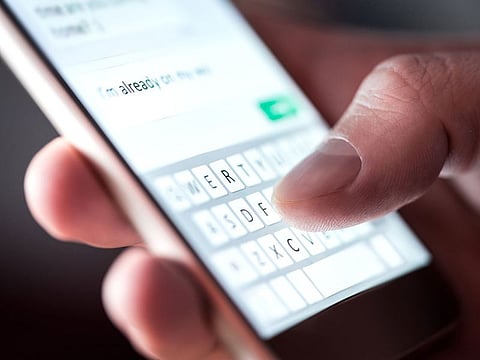
Late-night prayers, suhoor alarms and shifting sleep routines are already testing residents’ energy levels this Ramadan. Now, doctors told Gulf News that excessive smartphone use after iftar may be quietly worsening fatigue, irritability and poor concentration during fasting hours.
Blue light disrupts melatonin production
According to Dr Merin Eapen, Specialist Paediatric Neurologist at Burjeel Medical City in Abu Dhabi, using phones before bed can significantly disrupt sleep quality – an issue that becomes more pronounced during Ramadan when sleep windows are already shortened.
“Phone screens emit blue light, which signals to the brain that it is still daytime,” she said. “This reduces the production of melatonin, the hormone that helps people fall asleep, making it take longer to drift off. In addition, activities like social media, games, videos, or chatting keep the brain stimulated, preventing proper relaxation.”
Screens can suppress melatonin, the hormone that helps regulate sleep, making it harder to fall asleep and causing tiredness the next dayDr Merin Eapen
Dr Merin noted that many people unintentionally extend their screen time after iftar, cutting into total sleep duration. “Notifications, messages, or vibrations during the night can interrupt sleep as well.”
Late-night scrolling cuts into deep sleep
Research has linked late-night screen use to reduced deep sleep, morning fatigue and difficulty concentrating, with heavy nighttime use increasing the risk of insomnia and shorter sleep duration.
“Screens can suppress melatonin, the hormone that helps regulate sleep, making it harder to fall asleep and causing tiredness the next day,” Dr Merin said, noting that excessive screen time is also associated with poor attention span and reduced focus.
Dr Merin pointed out that reducing screen exposure, particularly before suhoor and bedtime, can improve sleep quality, energy levels and cognitive performance.
A digital reset opportunity
Mental health specialists said Ramadan may also offer a unique opportunity to reset unhealthy digital patterns.
“Ramadan is already a month of intentional self-restraint,” said Dr Barjis Sulthana, Psychiatrist at NMC Specialty Hospital, Al Nahda, Dubai. “Reducing smartphone use can amplify mental benefits by improving sleep quality, lowering dopamine overload and helping with emotional regulation and mindfulness.”
Most people tend to scroll on their phones during moments of rest, but scrolling is not actually restfulDr Barjis Sulthana
Scrolling isn’t restful
She cautioned that scrolling often feels restful but actually increases mental workload.
“It demands continuous cognitive effort, including rapid information processing, constant attention shifting, and emotional engagement. This mental workload can increase fatigue, and the effect becomes even more pronounced during fasting.”
Dr Sulthana pointed out that even under normal circumstances, excessive scrolling can fragment attention, disrupt working memory and contribute to cognitive overload.
“During fasting, when the body has reduced access to nutrients and energy reserves, the brain has fewer resources to meet these demands. As a result, the same amount of screen use can feel significantly more draining, intensifying feelings of irritability, brain fog, and mental exhaustion.”
Practical digital boundaries
For working professionals trying to balance job demands and family commitments, Dr Eapen advised gradual and practical boundaries rather than unrealistic restrictions.
“A good approach is to set a daily screen-time limit for entertainment, such as about two hours on school days and slightly more on weekends,” she said.
Establishing no-phone situations such as during meals and about an hour before bedtime can also help.
“Limiting the use of the apps that take up the most time can make a big difference, as is trying to prevent mindless scrolling,” she said, noting that keeping phones away during sleep hours may further support healthier habits.
Simple steps to follow
Dr Sulthana recommended practical steps rather than complete abstinence: limiting essential phone use to short, defined intervals; avoiding social media until iftar; switching devices to warmer light tones at night; banning phones during meals; and setting device-free windows, such as after suhoor or an hour before iftar.
With Ramadan under way, doctors underlined that improving sleep hygiene, including reducing late-night scrolling, may be one of the simplest ways to protect focus, mood and productivity while fasting.


![Suicide rates have jumped 57.6% since 2017, prompting calls for stronger prevention and mental health support. [Illustrative image]](http://media.assettype.com/gulfnews%2F2026-09-19%2Fyhjo1c73%2Fbuenos-aires.jpg?w=320&auto=format%2Ccompress&fit=max)