Driving Dubai-Sharjah while fasting? Expert warns of fatigue danger on the road
From sleep tips to suhoor choices, here’s how to stay alert behind the wheel
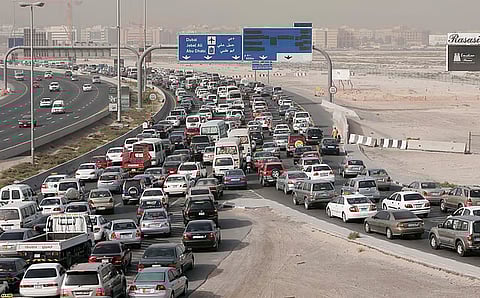
Long hours on the road while fasting during Ramadan can take a serious toll on drivers’ alertness, particularly during heavy traffic commutes such as the Sharjah-Dubai-Sharjah route, said UAE medical experts.
Why fasting slows reaction time
Dr Adel Al Sisi, Chief Medical Officer and Head of ICU at Prime Hospital, Dubai, highlighted the physiological impact of fasting on drivers.
“From a medical perspective, fasting can lead to lower blood sugar levels and mild dehydration, particularly later in the day. This may result in reduced alertness, slower reaction times, decreased concentration, and increased fatigue,” he said.
“During long, traffic-heavy commutes such as Sharjah–Dubai–Sharjah, these effects can slightly impair driving performance, especially if combined with poor sleep.”
Mid-to-late afternoon is typically when energy levels dip and dehydration becomes more noticeablDr Adel Al Sisi
Afternoon fatigue a key risk
According to data from the recently released ‘UAE Ramadan Accident Patterns’, the highest incidence of accidents occurs between 12 noon and 6 pm, with 2 pm to 4 pm identified as the most accident-prone period. Evening hours, from 6 pm to midnight, also show elevated risk.
Echoing similar views, Dr Al Sisi noted that the mid-to-late afternoon hours are particularly risky when energy levels dip and dehydration becomes more noticeable.
“The period just before iftar is also higher risk, as fatigue peaks and drivers may feel irritable or rushed to reach home. Late-night driving after reduced sleep can also increase the risk of impaired focus.”
Sleep, calm driving crucial
To help drivers stay safe, Dr Al Sisi offered practical advice: “Prioritise 6 to 7 hours of sleep, leave early to avoid rushing and maintain calm driving habits. Taking short mental breaks during heavy traffic, using deep breathing to manage irritability, and avoiding aggressive driving are important. If feeling dizzy, faint or severely fatigued, it is safest to stop driving.”
Suhoor choices boost focus
He stressed the importance of nutrition and hydration.
“A balanced suhoor with complex carbohydrates such as oats or whole grains, protein like eggs, yogurt, nuts, healthy fats and adequate water helps maintain steady energy. At iftar, gradual rehydration and a balanced meal support recovery. Drivers should avoid sugary foods, excessive caffeine, salty meals and heavy fried foods, as these can cause energy crashes, dehydration and drowsiness – all of which may affect safe driving.”


