CBSE exams in Ramadan: How fasting students in UAE can stay sharp, avoid brain fog
Dubai experts share tips to protect sleep, eat well and stay confident in exams
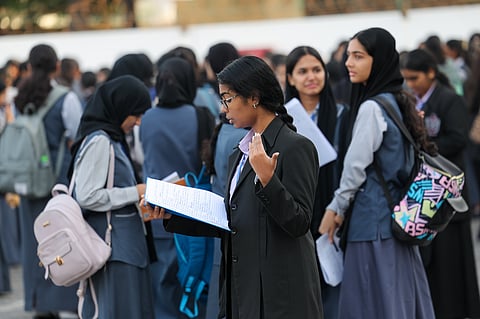
With CBSE board exams underway since February 17 and overlapping with Ramadan, fasting students across the UAE are juggling revision schedules, late-night prayers and early morning exam timings.
Experts based in Dubai told Gulf News that while fasting can temporarily affect concentration, students’ performance does not have to suffer if they carefully manage sleep, hydration and nutrition.
Sleep disruption not fasting the real risk
“Ramadan can shift your sleep, meals and energy patterns, which may lead to brain fog, low concentration and exam anxiety,” said Dr Mohammed Hasan Kazia, Specialist Internal Medicine, Prime Medical Center, Oasis Mall branch, Dubai.
“The key is to protect sleep, stabilise energy and study at your peak mental times.”
According to him, sleep disruption – more than fasting itself – is the “biggest cause” of poor focus, mood swings and memory problems.
“Protect a fixed sleep routine of minimum 6-7 hours every day, even if it’s split,” Dr Kazia said, noting that when sleep is consistent, the brain handles learning and emotional stress far better.
During Ramadan, the biggest cause of poor concentration, anxiety, mood swings, and memory problems is sleep disruption – more than fasting itselfDr Mohammed Hasan Kazia
What is brain fog?
It’s a common set of symptoms that affect how you think, remember and concentrate. It can make even simple, everyday tasks feel challenging. You might lose your train of thought mid-conversation or struggle to focus. While brain fog is usually temporary, the duration can vary.
How fasting affects memory and alertness
Dr Shruthi Punnapu, Specialist Paediatrician at Medcare Women and Children Hospital, Dubai, said fasting can temporarily affect alertness, particularly in the early hours of the day due to changes in blood sugar levels.
“However, when managed properly with adequate hydration and balanced meals, many teenagers maintain mental focus effectively,” she said.
Dr Shruthi noted that nutrient-rich food and sufficient rest are crucial to prevent any potential cognitive fatigue.
Fasting can enhance self-discipline and encourage a structured routine, which may support mental clarity when meals and rest are balancedDr Shruthi Punnapu
What to eat at suhoor and iftar
At suhoor, Dr Shruthi recommends slow-releasing energy foods that sustain students through exam hours. These include complex carbohydrates, protein and healthy fats, such as oats, eggs, yoghurt and nuts. Also, fruits and vegetables that provide essential vitamins and fibre.
At iftar, breaking the fast with dates and water followed by a balanced meal containing protein, vegetables and moderate carbohydrates helps restore energy without causing lethargy.
“Avoiding excessive sugary or fried foods can prevent sudden energy crashes,” Dr Shruthi said.
Schools adapting to support students
Deepika Thapar Singh, CEO-Principal of Credence High School in Dubai, said schools recognise that Ramadan is a “spiritually important time” for students, including those appearing for the CBSE exams.
“Most teenagers adapt effectively when they follow a structured routine,” she said, encouraging balanced meals, adequate hydration and sleep.
“When managed sensibly with proper rest and mindful eating, fasting can strengthen discipline, focus, and time management, supporting students in remaining calm, sharp, and confident during their examinations.”
Early warning signs parents should know
Dr Kazia said fasting students may try to push through fatigue, making early signs of mental overwhelm easy to miss.
Warning signs include increasing brain fog, difficulty concentrating, forgetting simple things, careless mistakes, irritability, anxiety and feeling mentally “blank” during study sessions or exams.
Dr Kazia noted that during Ramadan, sleep changes, dehydration and exam pressure can amplify these signals, urging parents to watch for sudden mood changes or loss of motivation.
Fasting and discipline: A hidden advantage?
While concerns about fatigue are common, Dr Shruthi said fasting can also build resilience.
“Fasting can enhance self-discipline and encourage a structured routine, which may support mental clarity when meals and rest are balanced,” she noted.
“Careful planning of meals, adequate water intake, and short rest periods are essential to ensure that fasting supports, rather than hinders, cognitive performance during exams,” Dr Shruthi added.


