Flu season is here: What UAE residents can do to stay healthy
As the UAE enters the cooler months, respiratory infections may become more common
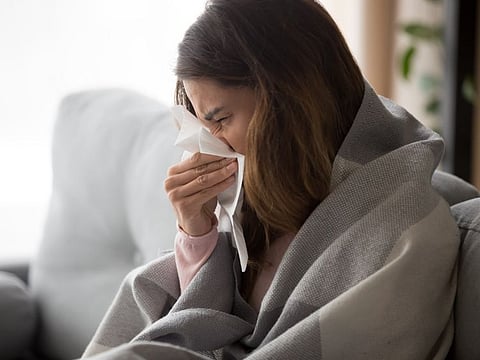
Dubai: As the weather cools across the UAE, doctors are seeing the return of familiar seasonal complaints, including coughs, sore throats, runny noses, fever, body aches, and fatigue.
Influenza, common colds, Covid-19, and respiratory syncytial virus (RSV) can all circulate during the cooler months. Doctors say increased indoor gatherings, school activities, workplace interactions, and travel can create more opportunities for respiratory infections to spread.
Get updated faster and for FREE: Download the Gulf News app now - simply click here.
Know what flu looks like
Dr. Sumaiya Ali, general practitioner at Aster Clinic Tecom, has noted that influenza often has a more sudden onset than the common cold.
“Influenza typically causes a more sudden illness with fever, body aches, marked fatigue, headache, sore throat, and cough, while common colds are generally milder,” Ali told Gulf News.
For people who become acutely unwell, she has recommended staying home and limiting close contact with others.
“Return to normal activities when symptoms are improving overall and you have been fever-free for at least 24 hours without using fever-reducing medication. For the following five days, take additional precautions around others.”
Influenza vaccination has remained the most important specific preventive measure against flu and its complications. Protection develops over approximately two weeks, while annual vaccination is necessary because influenza viruses continually evolve and vaccine composition is updated.
“Vaccination is particularly important for pregnant women, young children, adults aged 65 and older, people with chronic medical conditions or weakened immunity, and healthcare workers or caregivers of vulnerable individuals.”
Don't send sick children back to school
For Dr. Roshan Mohammed Jawahar, general practitioner at Prime Medical Centre Al Barari, the focus has been on reducing transmission among children and families.
Children returning to school, along with increased interaction in workplaces and social gatherings, can contribute to the spread of respiratory infections.
Parents should not send a child with a fever or illness back to school simply because medication has temporarily improved their symptoms.
“Allowing adequate recovery helps the child and reduces the likelihood of spreading infection to classmates,” shared Jawahar.
He has advised families to avoid sharing personal items when someone is sick. People with fever, cough, or respiratory symptoms should consider wearing a mask around others, particularly when visiting healthcare facilities or when close to elderly or vulnerable people.
On vaccination, Jawahar has stressed that it should work alongside, rather than replace, sensible everyday precautions.
“Seasonal respiratory infections cannot always be avoided, but their spread can be reduced.”
Take precautions on public transport
For people commuting by bus, metro, or other forms of public transport, Dr. Malaz Yabrodi, specialist internal medicine at Medcare Hospital Sharjah, has a specific warning.
“Flu and respiratory infections can spread more easily in crowded and enclosed settings, such as public transport, where people are in close proximity to one another,” described Yabrodi.
She has encouraged regular handwashing or using hand sanitiser, avoiding touching the face, covering the mouth and nose when coughing or sneezing, and maintaining distance from others where possible.
People who are feeling unwell should avoid public transport, when possible, while wearing a face mask can be an additional precaution.
“Staying up to date with recommended vaccinations can also be an important part of maintaining good health during winter.”
Don't take antibiotics for a cold or flu
According to Dr. Ensiyeh Rahimi, infectious diseases specialist at Laser Medical Centre, a common mistake during respiratory illness season is using antibiotics to treat viral infections.
“Antibiotics do not treat viral infections such as influenza or the common cold,” explained Rahimi.
Unnecessary antibiotic use contributes to antimicrobial resistance, which is why patients should avoid self-medication and seek medical advice when symptoms persist or worsen.
Rahimi has emphasised the importance of annual influenza vaccination in reducing severe illness, hospitalisation, and complications.
“October is a good time for UAE residents to arrange their seasonal influenza vaccination. Eligible individuals should also discuss Covid-19 and RSV vaccination with their healthcare providers in accordance with UAE recommendations.”
Don't ignore the early signs
Dr. Ruchi Deshpande, a homeopathy practitioner, has bared that she sees more patients with sore throats, blocked or runny noses, coughs, fever, body aches, and tiredness as the UAE becomes cooler.
She has highlighted the contrast between outdoor conditions and strongly air-conditioned homes, offices, cars, and shopping malls in the Emirates.
Apart from respiratory infections, Deshpande has noticed flare-ups of skin conditions such as eczema, which she associated with changes in weather, dryness, and increased exposure to air-conditioning.
She has reminded people not to ignore the early signs of illness and pointed out that infections can quickly move through households, particularly when children bring them home from school.
“If someone at home is sick, give them space to rest, improve airflow where possible, and avoid sharing cups, utensils, and personal items,” stated Deshpande.
Persistent or worsening symptoms should be assessed by a healthcare professional.
“Homeopathic care can be individualised according to the person's symptoms and overall health, with the aim of supporting recovery and managing symptoms during seasonal illnesses.”
Staying healthy through the cooler months
The doctors' advice has reflected different parts of the same seasonal challenge, knowing what you are dealing with, keeping sick children at home, avoiding unnecessary antibiotics, taking extra care in crowded public transport, and paying attention when symptoms worsen.
For influenza, vaccination has remained an important preventive measure, particularly for people at higher risk of complications.
As the UAE enters its cooler months, residents can reduce their risk by taking sensible precautions, staying home when significantly unwell, and seeking medical advice when symptoms are severe, persistent, or worsening.