Cyber threats targeting 50 ships spark fears of escalating US-Iran conflict in maritime trade
Bomb threats, ransom demands threaten to disrupt international oil transport
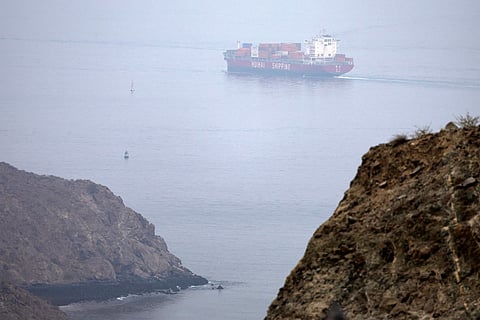
The US is investigating whether Iran is behind a series of cyberattacks targeting as many as 50 commercial vessels carrying oil, liquefied petroleum gas, chemicals and other potentially hazardous cargo, according to a report by The Wall Street Journal (WSJ).
The cyber attacks, which have reportedly affected ships operating near the United States, Europe and Asia, have raised concerns that the confrontation between Washington and Tehran is expanding beyond conventional military operations into cyberspace and international maritime trade.
The Journal's report, published on Monday and citing US officials and people familiar with the investigation, identified Iran as a primary suspect. Russia is also being considered as a possible source of the attacks.
However, US investigators have not established Iranian responsibility.
Bomb threats
A Trump administration official told the newspaper that investigators had found no evidence of Iranian involvement and characterised four of the attacks as "minor".
Some vessels reportedly received bomb threats, ransom demands and threatening messages warning them against transporting American products.
Other ships may have been compromised without their crews knowing about the intrusion.
The US Coast Guard has deployed specialised cyber-protection teams to at least four vessels approaching American ports in recent weeks, including the VL Prosperity and Kohaku, to investigate and address potential security breaches.
The incidents highlight growing concerns about the vulnerability of commercial shipping as the US-Iran conflict continues to threaten international maritime routes.
How the alleged cyberattacks work
According to the WSJ investigation, attackers have exploited vulnerabilities in Fortinet routers, networking equipment widely used by shipping companies and maritime facilities.
These systems connect vessels' operational technology and communications networks, potentially exposing shipboard systems to unauthorised access.
A successful intrusion could disrupt communications, interfere with certain operational systems, delay voyages or force ships to suspend operations while cybersecurity teams investigate.
Alarming threats
Some of the threats have been particularly alarming.
Bomb threats: Some vessels received messages warning that they could be blown up.
Ransom demands: Hackers reportedly demanded payments and threatened ships and their crews.
Political intimidation: Some messages accused vessels of supporting US and Israeli operations.
Warnings in Farsi: Ship operators reportedly received messages telling them not to transport American products.
One European shipowner said two officers received threatening messages on their mobile phones while delivering US natural gas to Mediterranean ports.
The messages reportedly included warnings that vessels carrying American cargo would be targeted.
The newspaper also reported that attackers or individuals claiming responsibility publicised some incidents through Iranian and Russian websites and Telegram channels. However, the origin of those messages has not been independently established.
Maritime cybersecurity experts warn that the growing integration of ships' navigation, communications and operational systems creates additional vulnerabilities.
Nevertheless, shipping analyst Lars Jensen told the WSJ that scenarios involving hackers remotely causing a catastrophic explosion or deliberately steering a ship into a bridge were unrealistic because vessels retain manual controls and overrides.
The more immediate risks are operational disruption, delays, ransom demands and expensive interruptions to global supply chains.
Previous incidents: US Coast Guard and FBI investigated two tankers
The latest investigation follows earlier suspected cyber intrusions involving two foreign-flagged commercial vessels heading towards the United States.
In August 2026, US Coast Guard and FBI personnel boarded two vessels in the Gulf of Mexico after receiving indications that their computer networks had been compromised.
The operations took place on August 21 and August 24.
One of the vessels was identified as the VL Prosperity, a Liberian-flagged tanker. Iranian media had previously reported that the vessel suffered a major cyberattack while transiting the Strait of Gibraltar, allegedly losing communications for approximately 30 hours.
The US authorities examined the vessels' information technology and operational systems. The investigations did not publicly establish who was responsible.
In September, the US Coast Guard Cyber Command and FBI issued an alert warning about nation-state actors exploiting vulnerabilities in Fortinet FortiGate devices used by shipping companies and maritime facilities.
The new WSJ investigation suggests that the incidents may be part of a wider pattern of attacks against international shipping, although a common perpetrator has not been established.
Why Iran is suspected
US investigators are examining the possibility that cyber operations form part of a broader strategy to pressure countries and companies involved in transporting energy and other strategic goods.
There are several reasons Iran has emerged as a suspect:
The maritime confrontation: Iran has repeatedly threatened to retaliate against restrictions on its oil exports and shipping activities.
Political messages: Some ships reportedly received warnings in Farsi against carrying American products.
Regional cyber activity: US authorities have previously warned about state-linked cyber actors exploiting vulnerabilities in maritime infrastructure.
Strategic pressure: Disrupting shipping could increase insurance costs, delay energy deliveries and put pressure on governments supporting Washington.
However, these are investigative leads, not proof that Iran's government ordered the attacks. Russia also remains a possible suspect, according to the Journal.
What this means for shipping
The investigation is particularly significant for the UAE, which is a major regional logistics, oil-export and maritime hub.
Potential consequences include:
Gulf ports: Increased cybersecurity vigilance around ports, oil terminals and shipping infrastructure.
Hormuz shipping: Additional security checks and possible delays for vessels navigating regional waters.
Oil transportation: Higher insurance premiums and freight costs if shipowners perceive greater cyber and physical security risks.
Energy markets: Disruptions involving oil and LNG tankers could add uncertainty to global energy supplies.
The Strait of Hormuz is particularly important because approximately one-fifth of global petroleum liquids consumption normally passes through the waterway.
What's next?
Watch for three developments:
Whether the FBI and US Coast Guard identify the perpetrators or publicly establish links to Iran or Russia.
Whether additional vessels report cyber intrusions, bomb threats or ransom demands.
Whether Washington expands sanctions or maritime cybersecurity operations in response.
The reported targeting of up to 50 ships represents a potentially significant expansion of maritime security risks. But the distinction between suspected Iranian involvement and proven state responsibility remains crucial.
If confirmed, a coordinated campaign against commercial shipping could open another front in the US-Iran confrontation — one that affects international trade, energy supplies and shipping far beyond the Gulf.


