Travelling to India? Is Bisleri bottled water safe? What tests reveal and what you should know
India expands bottled water tests as Bisleri disputes findings of harmful chemicals
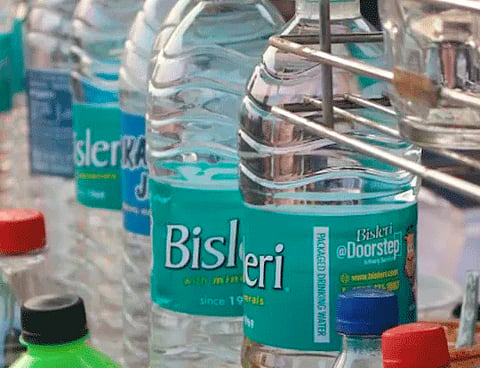
Dubai: Is bottled water in India really safe to drink? The question has taken on new urgency after food safety authorities flagged potentially harmful chemicals in a Bisleri water sample and expanded testing to other packaged drinking water brands.
The Food Safety and Standards Authority of India (FSSAI) has sanctioned prosecution against Bisleri International after laboratory tests declared a sample unsafe.
The findings involved bromate, a chemical linked to cancer in animal studies, and polycyclic aromatic hydrocarbons (PAHs), a group of pollutants that includes known carcinogens.
Bisleri maintains its water is safe and disputes aspects of the findings.
For UAE-based Indians and other travellers who routinely buy bottled water during visits to India, here is what the investigation means.
What exactly was found in Bisleri water?
According to Bisleri, FSSAI collected six samples from its Goa manufacturing facility on September 30, 2025.
Five passed initial tests, but one contained 12 micrograms of bromate per litre, exceeding India’s permissible limit of 10 micrograms by 20 per cent.
Following Bisleri’s appeal, a referral laboratory found bromate within the permitted limit but detected PAHs.
FSSAI subsequently declared the sample unsafe and sanctioned prosecution under India’s food safety law.
What is bromate and how harmful is it?
Bromate can form when ozone, used to disinfect drinking water, reacts with naturally occurring bromide.
The World Health Organisation sets a provisional guideline of 10 micrograms per litre.
Animal studies have linked prolonged bromate exposure to cancer, particularly kidney tumours. Evidence of cancer-causing effects in humans remains limited.
Exposure to much higher concentrations can also cause vomiting, abdominal pain and kidney damage.
However, the level reported in the Bisleri sample does not mean drinking one bottle would cause cancer or immediate illness.
What are PAHs and why are they dangerous?
Polycyclic aromatic hydrocarbons are pollutants commonly associated with the incomplete burning of fuels and other organic materials.
They can enter water through environmental contamination.
Some PAHs, including benzo[a]pyrene, are known human carcinogens. Long-term exposure to certain compounds can damage DNA and increase cancer risks.
Importantly, the publicly reported findings do not specify which PAHs were detected in the Bisleri sample or their concentrations.
Without those details, the actual health risk cannot be quantified.
What has Bisleri said?
Bisleri says the disputed sample came from a single batch manufactured in September 2025 at its Goa facility, one of 143 plants in its network.
The company says an independent examination at an FSSAI-approved laboratory also found bromate within the permissible limit.
It submitted those results to the regulator in February 2026 and says it received no further communication, leading it to believe the matter had been closed.
Bisleri also maintains that it has not received an official prosecution notice.
“Drinking water safety is a priority for Bisleri,” the company said, adding that its manufacturing process involves more than 90 quality tests across 10 stages.
It insists its products remain safe for consumption and says it will cooperate with FSSAI.
Are Aquafina, Kinley and other brands being tested?
Government sources told NDTV that the investigation now extends beyond Bisleri, with samples collected from packaged drinking water companies across India.
The market includes major brands such as PepsiCo’s Aquafina and Coca-Cola’s Kinley.
However, there is no indication in the available reports that either brand has failed the latest safety checks.
Officials say inspections and compliance testing will continue, with action against manufacturers found violating standards.
Should travellers stop drinking bottled water?
Not necessarily. Packaged drinking water remains a practical option when the safety of local tap water is uncertain.
Consumers should buy sealed bottles from reputable retailers, check manufacturing and expiry dates, and look for batch numbers and manufacturer details.
Avoid bottles with broken seals, damaged packaging or signs of tampering. Do not leave bottles exposed to excessive heat or direct sunlight for prolonged periods.
Travellers should also follow official safety advisories and product recalls.
Has Bisleri been banned in India?
No nationwide ban has been established in the available reports.
FSSAI has sanctioned prosecution over the disputed sample. This permits legal proceedings but does not amount to a conviction or establish that all Bisleri products are unsafe.
The wider investigation will now test whether the concerns extend beyond one manufacturer.
For consumers, the key question is whether India’s bottled water industry can consistently guarantee safety against chemical contaminants that cannot be detected by sight, smell or taste.
-- With ANI & IANS inputs


