Trump threatens Iran: 48-hour ultimatum on Strait of Hormuz
Iran strikes Israel amid escalating tensions; Trump warns of military action
Iranian missiles struck two communities in southern Israel late Saturday, injuring dozens and damaging buildings near the country’s main nuclear research centre.
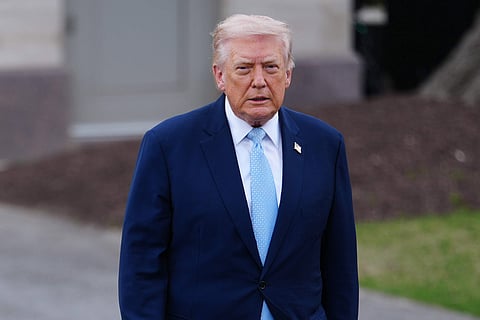
Meanwhile, President Donald Trump warned the US will “obliterate” Iranian power plants if Tehran does not fully reopen the Strait of Hormuz within 48 hours.
The developments mark a dangerous escalation as the war enters its fourth week.
Stay updated: Get the latest faster by downloading the Gulf News app now - it's completely free. Click here for Apple or here for Android. You can also find it on the Huawei AppGallery.
Trump issues 48-hour ultimatum
Trump, facing pressure to secure the strait amid surging oil prices, posted the ultimatum on social media while at his Florida home. He said the U.S. would destroy “various POWER PLANTS, STARTING WITH THE BIGGEST ONE FIRST!” if Iran fails to comply.
Iran strikes Israel after Natanz attack
The Iranian missiles hit Dimona and Arad, southern cities near Israel’s nuclear site. Israel’s military said its air defences could not intercept the missiles. Rescue teams reported major damage to at least 10 apartment buildings in Arad, with 64 people hospitalised.
Iran’s Parliament Speaker Mohammad Bagher Ghalibaf called the strikes a “new phase of the battle,” highlighting the expanding scope of the conflict.
War’s global implications grow
Israel also reported that Iran targeted the joint U.K.-U.S. Diego Garcia military base in the Indian Ocean, demonstrating Tehran’s long-range missile capabilities. Global markets are affected as oil and fuel prices surge.
US and allies respond
The Trump administration is temporarily lifting sanctions on Iranian oil already loaded on ships to stabilise markets. Additional U.S. forces, including three amphibious assault ships and 2,500 Marines, are being deployed to the Middle East.
Gulf countries, including the UAE, have expressed readiness to ensure safe passage through the Strait of Hormuz, joining 21 other nations in international coordination.
Rising casualties and regional clashes
Iran’s death toll in the conflict has surpassed 1,500. In Israel, 15 people have died from Iranian missile attacks, while 13 U.S. military personnel and dozens of civilians across Gulf nations have also been killed.
In southern Lebanon, Israeli troops and Hezbollah militants clashed, resulting in at least four militant deaths. Israeli strikes have displaced over 1 million people in Lebanon and caused significant civilian casualties.
A dangerous new direction
Military and political analysts warn that the war is far from over. Iranian missiles are reaching farther than previously acknowledged, and escalating attacks threaten both civilian infrastructure and global energy security.


