US-Iran conflict: What UAE residents need to know today (Sept. 16, 2026)
UAE airlines restore capacity as Iran conflict keeps skies uncertain
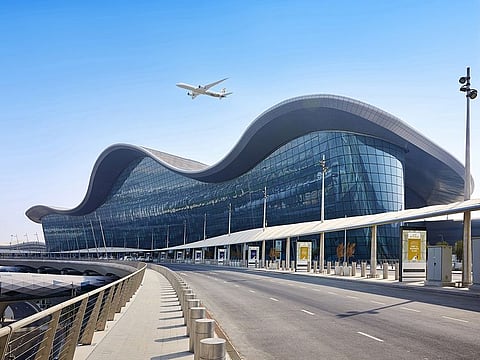
The US-Iran conflict continues to disrupt aviation and shipping across the Gulf, but signs of recovery are emerging in the UAE travel sector as airlines restore capacity and travellers return despite persistent security risks.
The latest industry data offer a mixed picture.
Emirates said bookings have rebounded strongly after the disruption, with the airline operating at 93% of pre-war capacity during July and August and carrying more than 8.6 million passengers.
Winter bookings are also strengthening on several routes, while Dubai Airports expects to handle about 70 million passengers this year.
Etihad Airways is also reporting a recovery.
Get it: Fast, verified news for FREE ... download the Gulf News app — simply click here
Available seat kilometres are 15%-17% above last year, while its August load factor reached 92%. The airline expects to maintain a load factor above 87% for the rest of the year.
Disruptions
But disruption has not disappeared.
More than 170 flights were delayed at Dubai International and Zayed International airports on Sept. 13, according to FlightAware data.


Two flydubai services between Dubai and Bahrain were cancelled.
Airlines have stressed that individual disruptions can also arise from technical, weather and air-traffic-control problems, rather than the conflict alone.
Travel demand can rebound sharply
Abdul Wahab Teffaha, secretary general of the Arab Air Carriers Organisation, said the region's aviation industry has repeatedly recovered from wars, financial crises and other major disruptions.
Teffaha said he has witnessed 27 wars since entering the aviation industry in 1980, arguing that periods when people are unable or unwilling to travel can be followed by a surge in demand once restrictions ease.
“When they are confined or feel like they are trapped in a situation, what will happen is that immediately after that, there is a spike,” he said.
He has also argued that travel and tourism should no longer be regarded as discretionary luxuries, but as part of modern economic and social life.
His assessment echoes the sector's experience during previous crises, including the pandemic.
Why UAE travellers still face uncertainty
The immediate risk remains regional airspace and security restrictions:
The UAE continues to adjust schedules as developments around the Gulf change.
Airlines serving the UAE continue to adjust schedules as developments around the Gulf change.
Some international carriers have maintained suspensions or reduced services.
The conflict is also affecting fuel costs, a major concern for airlines.
Brent crude has risen above $107 a barrel amid disruptions around the Strait of Hormuz.
Emirates said it is partly protected through fuel hedging and is seeking to limit the impact on ticket prices.
Some international carriers have maintained suspensions or reduced services.
Wider regional risks
Saudi Arabia said its air defences intercepted and destroyed a Houthi drone south of Mecca before it entered the city's prohibited airspace.
The Saudi-led coalition called the security of Mecca and other holy sites a “red line.” The Houthis denied targeting Mecca.
Meanwhile, the US blockade of Iranian ports has sharply reduced Tehran's oil exports.
TankerTrackers said Iranian crude exports have effectively fallen to zero, while US Central Command says the blockade is aimed at shipping linked to Iranian ports rather than commercial navigation generally.
Rebuilding connectivity
For UAE residents, the result is a two-speed travel environment: major hubs such as Dubai and Abu Dhabi are rebuilding connectivity and seeing strong demand, while routes close to conflict zones remain vulnerable to sudden cancellations, diversions and airspace restrictions.
Travellers are advised to check their airline and airport status immediately before departure, particularly for flights involving Bahrain, Kuwait, Saudi Arabia, Iraq, Oman or other destinations affected by the conflict.


