UAE joins Svalbard Treaty in Norway to support Arctic Research & Cooperation
The step strengthens the country’s role in polar science and international cooperation
The UAE has officially joined the Svalbard Treaty, following Federal Decree No. 125 of 2025. This step strengthens the country’s role in polar science and international cooperation and reflects its commitment to protecting some of the world’s most climate-sensitive regions.
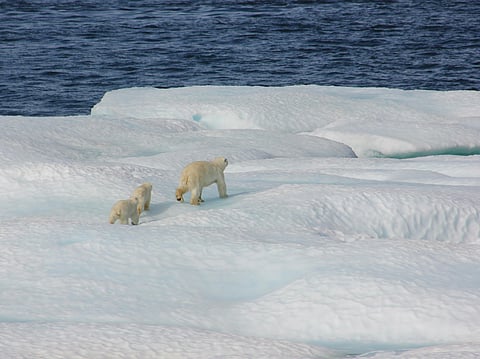
Svalbard is a Norwegian archipelago located in the far Northern Hemisphere of Earth, midway between mainland Norway and the North Pole. It is known for its unique Arctic environment, its international scientific research community, and the world-renowned Global Seed Vault, which preserves millions of seeds as a safeguard for global food security.
Get updated faster and for FREE: Download the Gulf News app now - simply click here.
The Svalbard Treaty promotes peaceful cooperation and responsible access in this Arctic region. By joining the treaty, the UAE builds on its existing engagement in the Antarctic Treaty System and expands its scientific contribution into the Northern Hemisphere of the Earth, complementing its work in Antarctica in the Southern Hemisphere.
This accession supports the objectives of the Emirates Polar Programme (EPP), which seeks to strengthen the UAE’s role in polar sciences and advance research across both regions: Arctic and Antarctic. Membership in the Svalbard Treaty can facilitate fieldwork by UAE researchers in Ny-Ålesund, Svalbard; one of the world’s northernmost international research communities where scientists from more than 10 countries collaborate on polar and atmospheric studies.
Speaking on this milestone, Mariam Almheiri Head of the International Affairs Office at the Presidential Court and Chair of the Emirates Polar Programme said: “Joining the Svalbard Treaty demonstrates the UAE’s steadfast commitment to international collaboration and scientific advancement.
This agreement opens an important and exciting chapter for the UAE’s engagement in Arctic science, enabling us to contribute meaningfully to global research efforts. It also strengthens opportunities for deeper scientific cooperation and participation in joint Arctic expeditions alongside leading nations to help safeguard some of the world’s most fragile ecosystems.”
The UAE’s accession further reflects the country’s growing emphasis on science diplomacy, using scientific collaboration as a pathway to strengthen international partnerships and contribute to shared global solutions.
Abdulla Balalaa Assistant Minister of Foreign Affairs for Energy and Sustainability and Deputy Chair of the Emirates Polar Programme highlighted the broader significance of this step for the UAE’s climate agenda.
“The UAE’s accession to the Svalbard Treaty reinforces its commitment to turning ambition into action through science-based collaboration and knowledge sharing. Climate action is both a necessity and a shared opportunity, and the UAE continues to help shape a sustainable and resilient future through strategic initiatives and international partnerships. Through the Emirates Polar Programme, we will advance innovative research and contribute to practical solutions for polar regions.”
Adding to this, Dr Abdulla Al Mandous President of the World Meteorological Organisation (WMO) and Director-General of the National Centre of Meteorology, emphasised the scientific value of the UAE’s expanded involvement in Arctic cooperation.
“The UAE’s accession to the Svalbard Treaty opens new avenues for scientific and environmental cooperation and enabling our scientists to directly contribute to global research initiatives at stations such as Ny-Ålesund - one of the northernmost permanent civilian research stations in the world. At the National Center of Meteorology, and in alignment with the UAE’s vision, we will continue to grow our polar programmes and strengthen international partnerships that enhance climate resilience and serve future generations.”


