UAE family disputes: Father ordered to support daughter, 37, as lawyer reveals unusual cases
From WhatsApp fights to pension disputes, family tensions can end up in court
Sharjah: Family disputes over money, inheritance, maintenance and the care of elderly parents can escalate into police complaints and court proceedings when they involve alleged abuse, financial exploitation or violations of individual rights, a UAE lawyer has warned.
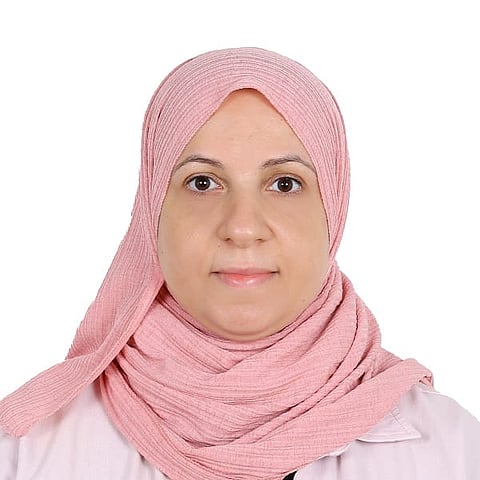
Speaking on Sharjah TV’s Qadiya Lil Hiwar, which means in English “An issue for discussion” , lawyer and legal consultant Aisha Rashid Al Tunaiji discussed cases involving an elderly father allegedly denied access to his pension, a 37-year-old unmarried woman whose father was ordered to support her, and a wife seeking Dh500 a month from her higher-earning husband.
Get updated faster and for FREE: Download the Gulf News app now - simply click here.
The discussion also covered property transfers, inheritance disagreements, online earnings, domestic violence and neglect of vulnerable parents.
Al Tunaiji said the law protects individual rights and regulates responsibilities, but not every family disagreement requires legal action. Dialogue should come first wherever possible, although alleged abuse and financial exploitation may warrant intervention.
WhatsApp rows can trigger police complaints
Family WhatsApp messages can lead to formal complaints when remarks are interpreted as insults, verbal abuse or defamation. Al Tunaiji described arguments that escalated until one party approached a police station.
ironic comments and provocative posts can intensify tensions, sometimes with the aim of settling a personal score rather than seeking compensation.
Social media has also created disputes among families who publish videos featuring their children or generate income through shared accounts.
In one case, a father managed family accounts and finances, including online earnings, while his children reportedly felt their contributions were not adequately recognised. Similar conflicts arise between couples who disagree over earnings, account ownership or financial management.
Al Tunaiji urged families to establish clear arrangements and keep records to reduce misunderstandings.
Elderly parents allegedly denied financial support
Al Tunaiji recounted a case in which her side sought financial support for a father while his children simultaneously pursued a claim seeking support from him. The children were employed and receiving salaries, raising questions about their ability to contribute towards their father's living expenses.
In another case, an elderly father received a pension but his children allegedly prevented him from accessing the money. The concern was whether he was being deprived of income belonging to him.
She contrasted these cases with a son who voluntarily gave his mother money whenever he visited. The mother explained that the payments were gifts, highlighting how financial contributions can express affection as well as meet practical needs.
Al Tunaiji also referred to cases in which elderly parents were reportedly left in rooms without adequate care or access to water. Such circumstances raise serious concerns when vulnerable people depend on relatives for daily assistance.
Whether children can be legally required to support parents depends on the applicable law and the financial circumstances of those involved.
Court ordered father to support daughter, 37
Al Tunaiji cited a case involving an unmarried 37-year-old woman whose father was ordered by a court to continue supporting her until she obtained employment and could support herself, or until marriage changed the relevant support circumstances.
Other cases involved adults in their twenties and thirties who remained dependent on parents because of health problems or difficulties finding work.
The parent's financial means and the child's circumstances must be considered. Expenses such as transport and social activities may arise in maintenance disputes, but do not automatically establish entitlement to a particular amount.
The cases do not mean every adult child is automatically entitled to support.
Al Tunaiji also described a working wife who earned more than her husband but wanted him to contribute Dh500 monthly towards her expenses. He questioned why he should pay when she earned more.
She said the issue involved marital financial responsibilities as well as the emotional significance of a contribution. The legal position depends on the applicable law and circumstances, not the salary difference alone.
Property transfers and inheritance disputes
Al Tunaiji described a mother with several sons and a younger daughter who registered her house in the daughter's name because they were particularly close. The arrangement later became a source of concern as family tensions developed.
The case highlighted the risks of transferring valuable assets based on emotional closeness or expectations of future care. Parents may find themselves vulnerable if they lose control of property needed for their security in old age.
In another case, family members initially appeared to agree on an arrangement involving family property. After one or two court sessions, disagreements emerged over management and whether everyone was satisfied.
Al Tunaiji said distributing property during a parent's lifetime does not necessarily prevent future disputes. She also welcomed specialised judicial arrangements in the UAE for inheritance matters, particularly where estates involve multiple heirs, substantial assets or children from different marriages.
Neglect, violence and legal responsibility
The programme examined uquq al walidayn , a term associated with disobediene towards or mistreatment of parents. Al Tunaiji stressed that failing to visit or telephone a parent regularly does not automatically constitute a legal offence.
The situation may be different when conduct involves threats, verbal abuse, physical assault, financial exploitation or misuse of a parent's property. Depending on the facts, personal status legislation, domestic violence protections, criminal law or civil and commercial law may apply.
Family violence, she said, can also be psychological or economic. She cited hurtful remarks by parents towards children and by children towards parents, as well as cases in which family members allegedly controlled another person's money.
She recalled a child telling his mother he would beat her when he grew up, as he had seen his father do. The example illustrated how witnessing domestic violence can influence children's behaviour.
By contrast, she described a mother who raised her children through years of marital difficulties before separating from their father after they had grown up and married. Despite the separation, the children wanted their father involved in their marriage and engagement occasions. Al Tunaiji noted that the mother had not turned them against him.
Courts must protect vulnerable parents
When a parent is bedridden, unconscious, seriously ill or unable to manage their affairs, relatives may need legal authority to handle financial or administrative matters.
Al Tunaiji stressed that old age or physical weakness alone does not establish incapacity. Courts may need medical assessments and other evidence before deciding whether intervention is justified.
She also referred to a commercial dispute involving a son and a company-related claim for money, and a separate dispute between two merchant brothers involving alleged misconduct, family members and hospital and medical reports. The precise allegations and outcomes were unclear in the programme. Such cases illustrate how business disagreements and personal grievances can become closely linked in court.
Al Tunaiji said mediation or assistance from trusted relatives may help resolve disputes, but reconciliation must not pressure victims to tolerate abuse or surrender their rights.
Dialogue can prevent family conflict
Al Tunaiji cautioned against treating parenthood as a transaction in which children must repay every sacrifice. Referring to the importance of honouring parents in the Quran, she urged families to teach respect and appreciation from an early age.
She also said women who choose not to remarry after separation to raise their children should be respected, but remaining unmarried should not be treated as a universal requirement of motherhood. Such sacrifices should remain voluntary.
She urged people to develop social awareness, respect personal boundaries, consider others’ feelings and take responsibility for their own mistakes.
Her message was that preserving family ties should not come at the expense of individual rights, just as defending those rights should not turn every disagreement into a bitter legal battle. While the law offers protection when rights are violated, mutual respect and a willingness to resolve differences remain essential to maintaining healthy family relationships.