Mid-East war: What IRGC claimed, what JMIC reported, what residents need to know today (Nov. 24, 2026)
UAE residents urged to stay informed amid low-key tensions in the Middle East
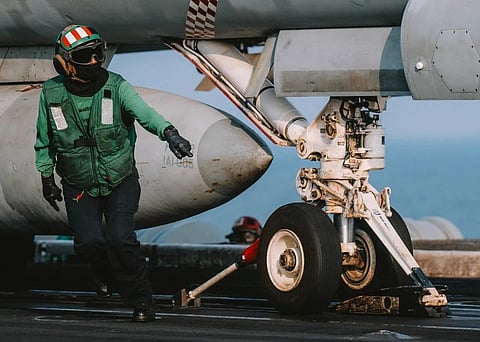
UAE residents may face flight, fuel and shipping risks as Iran tensions remain.
Attacks on commercial vessels near the Strait of Hormuz have intensified. Global oil prices, however, continue to ease despite the Gulf tanker squeeze.
Get it: Fast, verified news for FREE ... download the Gulf News app — simply click here
What Iran claimed
The IRGC Navy said three oil tankers “suffered severe explosions and fires” after "striking naval mines" while using routes it described as "unauthorised".
Iranian state media IRNA carried the statement, which was also reported by CNBC and other outlets.
The claim has not been independently verified. No official confirmation of the vessels’ identities, cargo, casualties or damage has been released.
What JMIC said
The Joint Maritime Information Center (JMIC) has kept the Strait of Hormuz threat level at "severe" and says more attacks are "highly likely".
JMIC has documented a "pattern of attacks" on tankers in the strait since mid-November.
Warning: JMIC warned that further attacks on tankers using the Omani side of the strait were highly likely under current conditions. It said additional attacks near Oman were highly likely within the following 24-48 hours.
Pattern of attacks: JMIC recorded seven tanker attacks in the strait between Nov. 16 and 21. Attacks on commercial vessels are "at their highest level" since the Iran war began in February 2026.
Where: The Torkel was hit on its stern about 11 nautical miles north of Khasab, Oman, and caught fire. Less than an hour later, the Arina was hit in its engine room 17 nautical miles east of Khasab. A third tanker, not officially identified, was struck eight nautical miles north of Khasab.
Casualties: The earlier attacks left two seafarers missing and 13 injured, per maritime security firm Kelly's assessment.
Mines disputed: Tehran says tankers caught fire after hitting naval mines, but JMIC's log lists "unknown projectiles." JMIC stressed that Iran's mine claims remain unverified.
Scale: JMIC's Update #115 covers March 1 to Nov. 19, 2026, and keeps the regional threat level at "severe." It had recorded 177 maritime security incidents across the wider region since March 1 as of Nov. 8.
Traffic: Hormuz traffic remains 65% below prewar levels. JMIC counted about 28 US-facilitated transits a day, with 227 vessels stationary at anchorages east of the strait.
Blockade link: JMIC has also said the US blockade may target ships receiving Iranian cargo through ship-to-ship transfers.
Wider attacks: JMIC counted 18 confirmed attacks in the strait from Oct. 6 to Nov. 1. That means the November surge adds to an already high baseline.
JMIC's assessment is a threat warning, and the coverage does not name who fired the projectiles. Iran and the US dispute each other's accounts.
The conflict is affecting shipping and energy markets across the Gulf, with no clear end in sight.
CENTCOM rejected Iran’s claim that it hit a US F-16, saying no American fighter jet was attacked.
The UAE, Qatar and Saudi Arabia condemned Iranian attacks on Bahrain.
UAE presidential adviser Anwar Gargash warned of a parallel struggle for regional influence alongside the war.
Trump said Iran wants a deal but hasn’t offered acceptable terms. Iranian Foreign Minister Abbas Araqchi said Tehran is still seeking a diplomatic settlement through mediators. No agreement has been announced.
Flights
Etihad has extended cancellations of Abu Dhabi-Riyadh and Abu Dhabi-Dammam flights through November 30.
The airline’s advisory also warns of risks from missile and drone activity, military operations and attacks on commercial shipping in the Arabian Gulf and Gulf of Oman.
flydubai has extended Riyadh and Abha cancellations through Nov. 27 and resumed Dammam on a reduced schedule. Iranian airlines remain suspended to and from the UAE.
Israel's transport ministry, meanwhile, said on Monday it had approved the resumption of flydubai flights pending final confirmation, weeks after a co-pilot tried to crash one of its planes.
Residents should check airline and airport updates before travelling, as schedules can change at short notice.
Oil prices
Oil prices eased on Tuesday (Nov. 24), with Brent falling 0.45% to $88.97 a barrel, hovering near a three-month low.
WTI slid to $79. This could mean lower global fuel prices. UAE petrol prices already fell in November. Fuel prices are adjusted monthly, so December’s rates will reflect November’s swings.
What’s next
Residents should monitor official UAE advisories, airline updates and verified news sources for changes in the security situation. The key risks are flight cancellations, higher fuel costs and potential disruption to shipping.
And despite the drop in global crude oil prices, shipping risks in the strait continue to support a "floor" price.
Shippers could expect continued higher risk premiums on the southern Omani lane.
UAE residents should prepare for possible disruption to flights, fuel costs and shipping as the US-Israel-Iran conflict continues to affect the Gulf.
Rely on official UAE advisories and verified sources, not viral tracking screenshots


