How media in Dubai emerged as a stabilizing force during the US-Israeli war on Iran
Dubai recognises that the greatest crisis threat is misinformation, not the event itself
In times of crisis and emergency, media is no longer a mere conveyor of events; it transforms into a strategic actor that shapes public awareness, regulates collective sentiment, and reinforces trust in institutions. Within this context, balanced media—grounded in accuracy, composure, and responsibility—emerges as one of the most critical instruments for ensuring stability and social security, particularly when it originates from official sources that possess both credible information and the capacity to communicate with confidence and professionalism.
During crises, the role of media extends beyond reporting; it becomes an instrument of soft power that contributes to safeguarding societies and enhancing their resilience. Professional, precise, and measured communication constitutes the first line of defense against information disorder, playing a pivotal role in consolidating trust between institutions and the public—especially in moments marked by uncertainty and tension.
Get updated faster and for FREE: Download the Gulf News app now - simply click here.
Dubai’s experience stands out as a leading model in this regard. The emirate’s media ecosystem demonstrated a high level of responsibility and professionalism in addressing the regional repercussions of the U.S.-Israeli war on Iran. Rather than succumbing to sensationalism or exaggeration, it adopted a rational and balanced narrative that prioritized factual accuracy while maintaining a delicate equilibrium between the public’s right to know and the imperative of preserving security and stability.
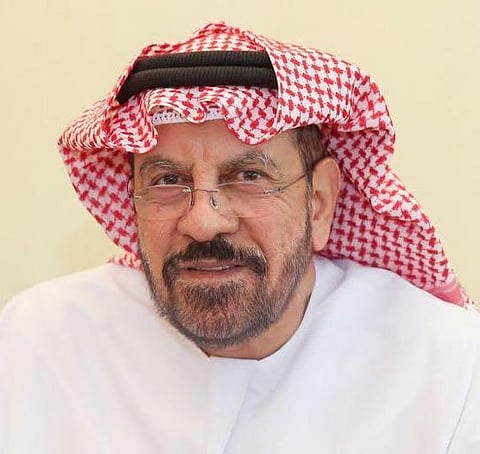
A notable example is the media statement delivered by Lieutenant General Mohammed Ahmed Al Marri, Director General of the General Directorate of Identity and Foreigners Affairs in Dubai. His message transcended conventional reporting to become a global indicator of confidence, reflecting the robustness of operational systems and reinforcing Dubai’s attractiveness as a destination for long-term stability.


Amid the rapid flow of information, effective coordination between Dubai’s crisis and emergency management entities and media institutions proved essential in presenting a coherent and credible narrative. This alignment was not merely reactive but stemmed from an institutional framework rooted in preparedness and proactivity. Authorities successfully contained waves of misinformation and rumors circulating across certain platforms through the timely release of official statements and continuous, transparent updates.
Dubai has recognized that the most dangerous threat during crises is not the event itself, but the misinformation surrounding it. Accordingly, emphasis has been placed on empowering media to fulfill its awareness-raising role and on strengthening public resilience against false information through enhanced media literacy and verification practices. In this way, media evolved from a passive transmitter into an active partner in crisis management.
Balanced media as a stabilizing force
Measured communication does not simply relay facts; it reframes them within a context that balances transparency with reassurance. In Al Marri’s remarks regarding the number of arrivals surpassing departures, the data was presented not as a mere statistic, but as a multidimensional strategic message:
An indicator of sustained demographic and economic attractiveness
A reflection of efficient human mobility management
Evidence of strong public confidence in government services
This balanced framing mitigated potential anxiety and discouraged negative interpretations, instead reinforcing a broader sense of stability.
Operational and security readiness at entry points
Another key dimension highlighted by the media narrative was the integration of security and operational readiness across the UAE’s entry points. The continuity of operations despite regional challenges reflected:
High levels of field readiness
Effective institutional coordination
Proactive crisis management without disrupting mobility
Al Marri emphasized that this performance is the result of a comprehensive system built on on-ground presence and institutional synergy—further strengthening confidence among travelers, investors, and decision-makers alike.
Institutional reputation as a global asset
The wide media dissemination of the statement evolved beyond news coverage into a driver of Dubai’s global institutional reputation. This was evidenced by:
Over 158.9 million potential impressions
More than 8 million direct digital reach
Over 140,000 engagements
Media coverage across more than 15 countries
These figures demonstrate how a balanced media message can serve as a powerful tool in shaping perception and reinforcing Dubai’s position as a stable and reliable environment.
From transit hub to destination of stability
A key strategic shift reflected in the narrative is Dubai’s repositioning:
From a transit hub to a destination of long-term stability
From temporary travel flows to indicators of sustained demographic and economic growth
This transformation is the result of cumulative achievements in quality of life, service efficiency, and advanced infrastructure—factors that collectively enhance Dubai’s appeal for living, working, and investing.
Digital and media performance as a reflection of trust
Digital performance indicators included:
Over 3,500 digital posts
More than 8 million website visits
Over 140,000 engagements
Platform analysis revealed:
Twitter as the most influential in amplifying leadership messaging and national narratives
LinkedIn fostering in-depth discussions on talent attraction and investment climate
Instagram and TikTok highlighting user experience and procedural ease
Media performance included:
More than 450 journalistic pieces
Publication in eight languages
Distribution across local media, digital platforms, international agencies, and specialized outlets
This diversity in coverage underscored the story as:
An economic indicator
A sign of demographic stability
A reflection of investment attractiveness
Audience sentiment analysis
Public and media responses reflected strong positivity:
65% positive public sentiment
85% positive media sentiment
Widespread recognition of efficiency, national pride, and trust in services
Additional engagement patterns included:
25% investment-oriented interest (long-term residency and opportunities)
10% operational inquiries (procedures and services)
These metrics confirm that the message was not only understood but actively engaged with confidence and interest.
Reinforcing institutional reputation pillars
The statement strengthened four core pillars:
Quality of life
Operational readiness
Government efficiency
Proactive crisis management
Together, these elements form the foundation of a strong institutional reputation.
Balanced media as a strategic soft power tool
This case demonstrates that balanced media is no longer merely a communication tool—it has become a cornerstone of social security and national stability. Mohammed Ahmed Al Marri’s statements evolved from statistical reporting into:
A global indicator of Dubai’s attractiveness
Evidence of the efficiency of its entry-point systems
A reflection of institutional trust
Media coverage further linked these dynamics to economic growth, the real estate market, and talent attraction—supporting the objectives of Dubai’s Economic Agenda 2040.
Ultimately, success is embodied in a cohesive triad:
1. Effective operational performance
2. Balanced media messaging
3. Strong institutional trust
In times of crisis, composed and responsible media does more than report facts—it delivers a message that reassures rather than alarms, clarifies rather than confuses, and strengthens public confidence. Through this role, media contributes to building societal resilience and reinforcing the foundations of social security.
Dubai’s experience affirms that investing in professional, balanced media is not a complementary option but a strategic necessity in an increasingly crisis-prone world—an approach that transforms words into stability and communication into a form of soft power that protects and unifies society, even in the most challenging circumstances.