UAE law expands schools’ role in early drug intervention
Reforms focus on rehabilitation, family involvement and early protection

Dubai: The UAE has reinforced its national strategy to protect young people from drug abuse by expanding the role of schools in early detection and intervention, marking a shift towards prevention, treatment and family-centred support rather than criminal punishment.
Under amendments introduced by Federal Decree-Law No. 14 of 2025, educational institutions are now permitted, in coordination with parents or legal guardians, to report suspected cases of drug use among students without triggering criminal prosecution.
The revised framework aims to ensure that adolescents exposed to drugs are directed towards treatment and rehabilitation, while safeguarding their education and social stability.
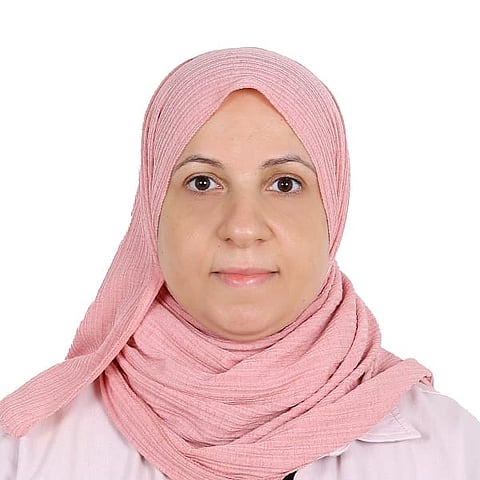
Legal consultant Dr Hasan Elhais of Awatif Shoqi Advocates said the amendments reflect a clear policy direction to address drug use — particularly among young people — as a health and behavioural issue rather than a criminal one.
“The law now draws a clear distinction between a drug user and a drug trafficker,” he said. “For users, the priority is early intervention, treatment and rehabilitation, not punishment.”
He explained that earlier amendments already protected individuals from prosecution if they voluntarily sought treatment or if a family member applied for rehabilitation on their behalf.
“The latest amendment expands this framework by formally including schools, giving them the authority to report suspected cases without exposing students to criminal proceedings,” he said.
Courts are also empowered to suspend legal proceedings and order placement in specialised rehabilitation centres instead of imprisonment, for a treatment period of up to one year under the supervision of the Public Prosecution.
Dr Elhais said the changes allow schools to function as a vital early-warning mechanism by working in coordination with families and relevant authorities.
“The reporting process is designed to protect the student, not criminalise them,” he said. “When cases are identified early and referred through proper medical and legal channels, the law provides a clear path away from prosecution and towards recovery.”
While adopting a more rehabilitative approach for users, the law maintains strict penalties for drug trafficking and distribution. Offenders involved in dealing or smuggling remain subject to mandatory imprisonment and deportation for foreign nationals.
“Deterrence has not been weakened,” Dr Elhais said. “It has been recalibrated. The law is firm where public safety is at risk, and compassionate where treatment can prevent long-term harm.”
The amendments also regulate deportation as a judicial measure, allowing courts limited discretion to suspend it in exceptional cases involving close family ties to UAE nationals or where removal would cause serious harm to family stability or disrupt essential medical care. Such exemptions must be formally requested and supported by strong legal evidence.
Dr Elhais noted that the law will come into effect on January 1, 2026, making its implementation particularly significant for pending and future cases, as the date of the offence will determine which legal provisions apply.
By embedding prevention within the education system and strengthening coordination between schools, families and authorities, the updated legislation reflects the UAE’s broader focus on early protection — aimed at keeping young people away from drugs before they fall into addiction or criminal exposure.