From solar power to AI: How Dubai is future-proofing vital services
Clean energy, smart technology, long-term planning ensure electricity, water supplies
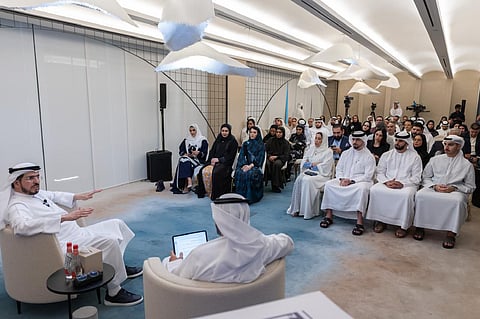
Dubai: As Dubai continues to expand, keeping electricity and water services reliable is becoming more important than ever. From massive solar energy projects and underground water reserves to artificial intelligence (AI) and smart monitoring systems, the emirate is investing in a range of solutions designed to support future growth while strengthening resilience.
These efforts have been highlighted by Saeed Mohammed Al Tayer, managing director and CEO of Dubai Electricity and Water Authority (DEWA) and vice chairman of the Dubai Supreme Council of Energy, during a dialogue series hosted by the Dubai Press Club (DPC).
The session has explored Dubai's strategy for sustainable energy and water, infrastructure readiness, innovation and crisis management, and how long-term planning is helping reinforce the emirate's position as a global leader in key sectors.
Get updated faster and for FREE: Download the Gulf News app now - simply click here.
Built for growth
Al Tayer has noted that Dubai today has the world's finest electricity and water infrastructure, developed under the directives and support of His Highness Sheikh Mohammed bin Rashid Al Maktoum, Vice President and Prime Minister of the UAE and Ruler of Dubai.
He has bared that DEWA ranks first globally in 13 key performance indicators, showcasing the reliability and efficiency of its services.
Among the achievements was a customer minute lost duration of just an average of 49 seconds per customer annually. DEWA has also recorded transmission and distribution losses of only two percent for electricity and 4.4 percent for water.
According to Al Tayer, these figures have demonstrated the strength of Dubai's infrastructure and its readiness to support continued development.
Clean energy
Energy security has remained a priority for Dubai and the UAE. Al Tayer has mentioned that Dubai's electricity production capacity currently stands at around 18,000 megawatts, supported by a balanced mix of conventional and renewable energy sources.
"Clean energy is through the Mohammed Bin Rashid Al Maktoum Solar Park, the world’s largest of its kind, which integrates photovoltaic and concentrated solar power technologies, as well as battery storage and green hydrogen technologies," shared Al Tayer.
He added, "Clean energy capacity from the solar park will exceed 8,000 megawatts by 2030."
Moreover, the project has achieved four Guinness World Records, including the highest-capacity single-operator concentrated solar power plant at 700 megawatts, the tallest concentrated solar power tower at 263.126 metres, the largest thermal energy storage plant with 15 hours of thermal storage, and the longest continuous operation of a concentrated solar power plant.
Securing water supplies
Apart from energy security, Dubai has also invested heavily in water resilience.
Al Tayer has underscored that DEWA uses advanced desalination technologies, including high-efficiency reverse osmosis, to ensure a reliable supply of water. This comes along with the world's largest desalinated water storage and recovery project in underground aquifers.
The project has a storage capacity of six billion gallons of water that can be accessed immediately during emergencies. Dubai also benefits from a water interconnection system with other emirates, allowing water to be imported or exported based on demand.
Growing role of AI
Technology has been playing an increasingly important role in strengthening preparedness and improving services. Al Tayer has revealed that DEWA uses AI and smart systems to predict crises and manage risks, supported by an advanced digital infrastructure.
The authority has been using AI since 2017, including through "Rammas," a virtual employee developed with Microsoft that provides customer services around the clock.
Smart meters and connected systems also enable real-time monitoring of electricity and water consumption, helping identify leaks and improve efficiency.
Additionally, the Moro data centre under DEWA Digital supports AI, big data, and cybersecurity capabilities.
Planning for the unexpected
Al Tayer has pointed out that maintaining uninterrupted electricity and water services requires more than infrastructure alone.
"Dubai ensures continuity of energy and water supply during crises through proactive planning, smart operations, resilient infrastructure, strategic reserves, and strong partnerships, making DEWA’s services a global model of reliability and sustainability and reinforcing the emirate’s ability to face challenges with confidence," explained Al Tayer.
Sharing knowledge
For her part, Mona Ghanem Al Marri, vice chairperson and managing director of the Dubai Media Council and president of DPC, has thanked Al Tayer for sharing insights into Dubai's energy sector, emphasising the importance of electricity and water services in supporting sustainable development and quality of life.
"Sharing information about the sector strengthens transparency, public awareness, and confidence in future plans," stated Al Marri.
She has also praised DEWA's role in supporting Dubai's position as a global leader in clean and renewable energy.
On the other hand, Maryam Al Mulla, director of DPC, has highlighted that hosting Al Tayer shows the club's commitment to engaging with national leaders whose work contributes to Dubai's reputation as a global model in future planning and the sustainable management of vital sectors.
"Dubai’s achievements in energy, water and infrastructure reflect a clear strategic vision, integration between long-term planning and operational readiness, and the ability to turn challenges into opportunities that strengthen the emirate’s competitiveness and future ambitions," said Al Mulla.