Indonesia's Lombok eyes Gulf tourists and UAE clean energy investment
West Nusa Tenggara looks to Gulf tourists and UAE investment in solar energy projects
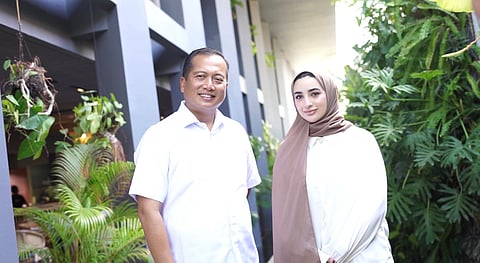
Lombok is looking to attract more visitors from the UAE and the wider Gulf region, with West Nusa Tenggara’s governor outlining plans to improve connectivity, develop resorts and position the Indonesian province as a destination for higher-spending travellers.
The Indonesian province, known for its beaches, islands and mountainous landscapes, is also seeking investment from UAE companies in renewable energy, particularly solar power. Its plans include exploring floating solar installations on dams and developing a regional electricity network that could supply power to neighbouring Bali.
Lalu Muhamad Iqbal, Governor of West Nusa Tenggara, said the province wants to build a tourism industry focused on the quality of visitors’ experiences rather than simply increasing arrivals.
We are going to quality tourism, rather than quantity tourism.Iqbal
The strategy is intended to attract visitors who stay longer and spend more locally, creating greater economic benefits for the region.
A destination beyond the beach
Lombok is often associated with its coastline, but Iqbal believes its appeal to Gulf travellers extends well beyond the sea. The island offers beaches alongside green hills, cooler mountain landscapes and outdoor activities, giving visitors several ways to experience the destination during one trip.
Mount Rinjani, one of Indonesia’s best-known volcanoes, rises to more than 3,700 metres, while the surrounding region offers opportunities for nature-based travel and adventure tourism. The province also includes Sumbawa and hundreds of smaller islands, providing scope for different types of holidays.
Iqbal said he believes the region’s greener landscapes could be particularly appealing to travellers from the Gulf, who often seek cooler surroundings and mountain scenery when travelling abroad.
We have both. We have the beach, we have the mountains, we have hills down the area.Iqbal
The province is seeking to expand its resort offering to accommodate visitors looking for longer stays and more developed holiday experiences. It is also promoting sports tourism, with the Mandalika International Street Circuit hosting MotoGP in the region.
Rather than competing directly with Bali’s established mass-tourism model, Iqbal said West Nusa Tenggara wants to develop its own identity and attract visitors who contribute more to the local economy.
Flights and seaplane connections on the agenda
Improving access is a central part of the province’s plans to attract more international visitors, including those from the UAE and other Gulf countries.
Iqbal said discussions are under way with Indonesia’s Ministry of Foreign Affairs on a plan to bring tourists from the Gulf using flights that would otherwise operate without passengers on certain legs. The initiative is being explored as an initial way to introduce Lombok to the market, with the longer-term aim of developing stronger travel links.
A direct scheduled flight between the UAE and Lombok is not currently part of the arrangement he described. Instead, the proposed initiative would be an early step towards building awareness and demand among Gulf travellers.
“We will try to use the empty flight to bring tourists specifically from the Gulf countries,” he said, adding that the project is being developed with the ministry.
The province is also preparing to introduce seaplane services, which could make it easier for visitors to travel between Lombok and selected islands. Iqbal said the government is working on converting a dam near the airport for seaplane operations and preparing landing facilities at several islands, including Moyo.
He said the aim is to begin operations before the next high season, potentially by the end of 2026. The service would give travellers another way to reach island destinations and could support the development of more remote areas.
The proposed connections form part of a wider effort to make it easier for visitors to explore beyond the main island, while encouraging tourism investment across the province.
UAE investors invited to explore solar energy
Alongside tourism, Iqbal identified renewable energy as a potential area for cooperation with UAE companies, particularly those working in solar power and clean energy infrastructure.
He said West Nusa Tenggara has strong solar potential, citing its high levels of sunlight and long periods of solar exposure. The province also has 77 dams, which he sees as an opportunity to develop floating solar projects.
According to Iqbal, regulations allow up to 20 per cent of the water area at each dam to be used for floating solar panels. He described this as a potential opening for investors interested in developing solar capacity in the region.
“Nothing is better to invest in renewable energy, especially solar power, than the province,” he said.
The governor also outlined a broader regional proposal involving West Nusa Tenggara, East Nusa Tenggara and Bali. Rather than competing for investment and visitors, the three provinces are seeking to coordinate tourism promotion, improve transport links and develop complementary roles for their economies.
Under the proposed energy plan, West Nusa Tenggara and East Nusa Tenggara would generate renewable electricity, with a subsea cable potentially supplying power to Bali. Iqbal said the plan responds to the limited space available for new power-generation infrastructure on the neighbouring island.
The concept would require further development and investment, but he said it could create opportunities for clean energy companies while supporting the region’s longer-term transition towards greener tourism.
Building a regional partnership
For West Nusa Tenggara, the opportunity lies in connecting tourism growth with infrastructure and investment. Better links between islands could make more destinations accessible, while resort development could encourage longer stays. Renewable energy projects, meanwhile, could help support the infrastructure needed for that growth.
Iqbal said the province wants to work with international partners rather than pursue development in isolation. For UAE companies, that could mean exploring opportunities in solar energy and related infrastructure, while travel operators could look at how Lombok might fit into future holiday packages for Gulf visitors.
The immediate priorities are improving connectivity, developing the tourism offering and advancing plans for renewable energy. Whether these ambitions translate into new routes, resort projects and investment agreements will depend on how the proposals progress.
For now, the governor’s message is that West Nusa Tenggara wants to offer Gulf travellers more than a beach holiday, while inviting UAE businesses to look at the region as a potential partner in clean energy development.


