Residents can now generate their own power as Abu Dhabi expands solar policy
Phase Two rollout enables households to adopt solar with storage and grid integration
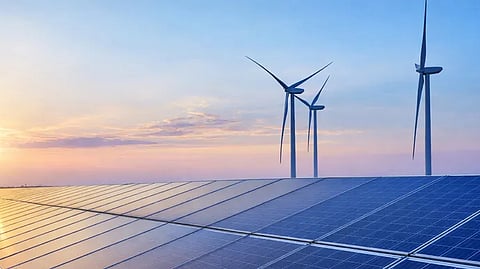
The Department of Energy – Abu Dhabi has launched the second phase of its Solar Self-Supply Policy, expanding its scope for the first time to include the residential sector across the Emirate. The move enables villa owners and residential building occupants, where applicable, to generate, store, and use electricity within their homes in full integration with the grid.
This initiative aligns with the Department’s mandate to develop policies and regulatory frameworks that support the transition toward a more efficient and sustainable energy system, while promoting the adoption of smart and flexible solutions for energy production and consumption.
Get updated faster and for FREE: Download the Gulf News app now - simply click here.
The rollout builds on the success of the policy’s first phase, which was introduced during the World Governments Summit in February 2026 in Dubai. That phase enabled farm, estate, and retreat owners to benefit from solar solutions for self-generation and storage of electricity, thereby improving consumption efficiency.
Growing demand for renewable energy
This expansion reflects the increasing uptake of renewable energy solutions among customers and aligns with national efforts to meet rising energy demand through advanced solutions serving all sectors.
The new phase focuses on enabling residential adoption through a simplified regulatory framework that facilitates installation and grid connection procedures, alongside the standardization of technical requirements to ensure the highest levels of safety and operational efficiency.
Guidelines for high-efficiency systems
In parallel with the first phase, the Department issued a comprehensive guideline for high-efficiency electrical systems and appliances. This serves as a practical framework to help individuals and organizations select, procure, and operate the most efficient solutions based on actual performance data and total lifecycle cost—supporting more informed and sustainable decision-making in the long term.
The guideline covers key systems that influence energy efficiency, including air conditioning and cooling, water heating, lighting, electrical appliances, pumps, motors, and irrigation systems. It also highlights best operational practices, smart control solutions, and routine maintenance, contributing to reduced energy and water consumption, lower peak loads, and improved economic and environmental performance.
The policy allows subscribers to meet a significant portion of their daily energy needs during daylight hours, with the ability to store excess energy in batteries. This helps alleviate pressure on the grid and enhances load management across the Emirate.
Expanding Solar Self-Supply to the Residential Sector
Abdulaziz Mohammed Al Obaidli, Director General of Regulatory Affairs at the Department of Energy – Abu Dhabi, stated:
“The second phase of the Solar Self-Supply Policy marks a significant step in expanding its application to the residential sector, enhancing energy efficiency and supporting the integration of the electricity system. By empowering broader segments of society, we are fostering an effective partnership in the transition toward clean energy, contributing to a more balanced and sustainable energy mix.”
The policy reflects the Department’s commitment to accelerating the adoption of energy solutions that enhance system efficiency and support the achievement of Abu Dhabi’s Energy and Water Efficiency Strategy 2030. It embodies an integrated approach that combines regulatory policies, technological solutions, and behavioral guidance to improve efficiency at both user and system levels.
Key highlights of phase two:
Expanded Coverage: Inclusion of residential villas and buildings, enabling users to generate a significant share of their daytime energy consumption.
Energy Storage: Integration of battery storage systems to enhance efficiency and flexibility.
Environmental & Economic Impact: Reduction of peak loads on the grid, improved consumption efficiency, and support for the transition to clean energy.
Simplified Procedures: Streamlined installation and grid-connection processes, supported by smart and flexible solutions.
System Integration: Builds on the success of Phase One, which targeted agricultural, industrial, and commercial sectors.
This initiative aligns with Abu Dhabi’s Energy and Water Efficiency Strategy 2030, promoting community awareness around responsible energy consumption.
Phase one success and call for participation
Following the successful achievement of all objectives in Phase One, the Department has launched Phase Two to expand participation, test new methodologies across various sectors, and identify optimal mechanisms and incentives through continued collaboration with strategic partners.
The Department of Energy – Abu Dhabi has invited consumers in the commercial and industrial sectors across the Emirate to join Phase Two by engaging with the relevant teams, emphasizing their vital role in ensuring the project’s success and achieving its objectives.
As one of the first large-scale demand-side management initiatives in the Gulf region, the Demand Response Program sets a strong benchmark for innovation and public-private collaboration. Insights gained from these efforts will help shape future policies, technologies, and practices in line with Abu Dhabi’s vision for a resilient and sustainable energy system.