London Heathrow traffic drops 5% as Middle East war hits travel demand
Transfer passengers rose as travellers rerouted flights through London Heathrow
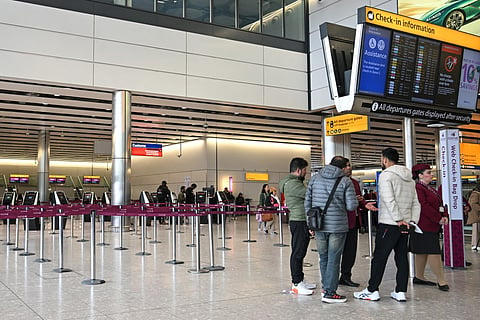
Dubai: Heathrow Airport reported a drop in passenger traffic in April as the ongoing conflict in the Middle East disrupted travel plans and reshaped global flight patterns.
Britain’s busiest airport said passenger numbers fell 5.3 per cent year-on-year to around 6.7 million travellers in April, down from 7.1 million during the same month last year.
According to Heathrow, traffic from the Middle East fell by more than 50 per cent as travellers adjusted routes and avoided parts of the region affected by conflict and airspace disruptions.
The airport said the decline reflected “the ongoing impact of the Middle East conflict on some markets and short term adjustments to travel plans”.
The drop highlights how tensions in the region are affecting major global aviation hubs far beyond the Middle East itself. Airports in Dubai, Doha and Abu Dhabi typically handle hundreds of thousands of transfer passengers daily, acting as major links between Europe, Asia and Australia.
However, ongoing conflict and periodic airspace closures have led some passengers and airlines to reroute journeys through alternative hubs, including London.
Get updated faster and for FREE: Download the Gulf News app now - simply click here.
Demand stable
At the same time, Heathrow said transfer passenger numbers rose 10 per cent in April as more travellers flew into London before connecting onwards to destinations in Asia and Oceania.
The airport had previously said it was temporarily absorbing some displaced demand from other regions affected by disruption.
Despite the decline in April traffic, Heathrow said demand for travel remained relatively stable overall.
In a BBC report, Heathrow chief executive Thomas Woldbye said, "While we have seen some short term disruption linked to the Middle East conflict, demand for travel remains strong with current fuel supplies stable.”
He added: “We know passengers want certainty when planning their hard earned summer holidays, so we are supporting government and airlines as they work through their plans to get passengers on their journeys.”
During the first three months of the year, around 18.9 million passengers travelled through Heathrow’s four terminals, representing a 3.7 per cent increase compared to the same period last year.
The airport said it will review and update its 2026 passenger forecast in June as airlines and airports continue monitoring the impact of the Middle East conflict on global travel demand.


