US expands strikes on Iran — blasts heard near Tehran as campaign widens beyond Gulf targets
Explosions near key military complexes signal deeper US reach inside Iran
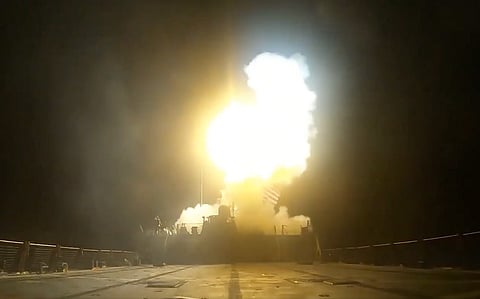
Explosions have been reported in the Tehran area amid the latest wave of US strikes on Iran, which appear to be expanding beyond previous targets.
Get — updated faster and for FREE: Download the Gulf News app now - simply click here
As of 5am Gulf Standard Time (GST) on Thursday (July 16, 2026), the US Central Command confirmed the latest wave of evening strikes against Iran. The command said it was "completed" at 9 pm Eastern Time on July 15 (1am GMT on July 16).


"US forces struck Iranian command centres, air defence sites, missile and drone capabilities, and coastal surveillance facilities to further degrade Iran's ability to threaten innocent mariners crewing commercial vessels transiting the Strait of Hormuz," the command stated.
CentCom stated its forces "used precision munitions to hit targets in multiple locations including Bandar Abbas. Earlier this morning, American forces struck coastal defence and cruise missile sites on Greater Tunb Island during a 90-minute wave. The US military is holding Iran accountable at the Commander in Chief's direction."
Blasts heard in Tehran, air defences activated
Meanwhile, air defences were reportedly activated in parts of southern and northeastern Tehran, with explosions reported near Parchin and Pakdasht — strategically significant areas southeast of the capital.
Parchin is a major Iranian military complex linked to munitions, missile production, and past nuclear-related activities.
US overnight strikes confirmed
Multiple waves of US strikes on Iranian military targets (air defenses, coastal radar, small boats, ports, etc.) have occurred in July 2026, primarily in response to Iranian actions against shipping in the Strait of Hormuz. CentCom has publicly acknowledged hitting dozens of targets.
Southern sites (Chabahar, Konarak, etc.): Strongly corroborated by Iranian state media, videos, and Western reporting. Strikes on Chabahar port infrastructure (e.g., watchtower/control areas) and nearby sites are widely reported.
Tehran/Parchin/Pakdasht area: Reports of explosions and air defense activity are circulating on social media, local channels, and OSINT accounts as very recent (hours old). These align with known sensitive military sites but remain preliminary and unconfirmed by official U.S./Iranian statements or major verified outlets at the time of this check. Iranian media has sometimes attributed similar past incidents to accidents or exercises.
Escalation: This fits the pattern of escalating US operations, but specific attribution for every reported blast should be treated cautiously until more verification emerges.
This is a fast-moving situation — reports are based on real-time social media, local sources, official sources (i.e. CentCom) and open-source analyses.
The story so far:
Simultaneous strikes and blasts were reported in other locations:
Khorramabad, Lorestan Province
Ahvaz, Khuzestan Province
Chabahar, Sistan and Baluchestan Province — explosions near the Ahmad Rizeh checkpoint/police post.
Open-source assessments suggest the target was likely an open-air storage area for IRGC fast attack craft.
Konarak, Sistan and Baluchestan Province — two explosions reported, with eyewitness accounts of US fighter jets overhead.
These reports indicate the US campaign has broadened from primarily southern coastal and Strait of Hormuz-related targets (such as Bandar Abbas, Sirik, and related facilities) to additional sites across the country, including areas near the capital, as per CNN.
Footage has circulated showing the aftermath of a strike near the Ahmad Rizeh police post/checkpoint in Chabahar.