US begins high-risk operation to reopen Hormuz, deploys mine-clearing assets
Reopening one of the world’s most critical energy routes 'will take a little while': Trump
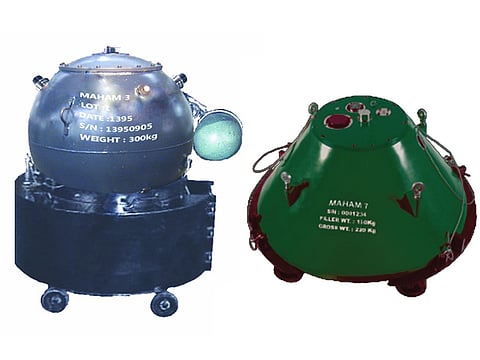
The US military has launched a high-risk effort to restore safe passage through the Strait of Hormuz, deploying warships and mine-clearing assets to reopen one of the world’s most critical energy routes while announcing a naval "blockade" on all Iran ports.
The US Central Command said the US Navy sent two $2-billion guided-missile destroyers — USS Frank E. Peterson and USS Michael Murphy — through the strategic chokepoint in the first such transit since the Iran conflict began.
Iran rejects US claims
Tehran rejected the claim, with Iranian military officials insisting no American vessels had entered the strait and warning that any attempt would draw a “severe” response.
The waterway, which carries nearly 20% of global oil and gas supplies, has been effectively blocked in recent weeks amid escalating tensions.
Establishing 'safe passage'
Allied efforts to reopen the Strait of Hormuz are being led under close military coordination, with Admiral Brad Cooper, Commander at US Central Command, confirming that the mine-clearing sweeps are designed to create a secure and fully verified navigational corridor for commercial vessels.
Cooper said the operation is not simply about removing suspected threats.
More importantly, it's about mapping a precisely-cleared "transit lane" that merchant ships can use with confidence.
Verification'
Once verified, CentCom intends to share the exact coordinates of this safe passage with the international maritime community, shipping companies and insurers to help restore traffic through the vital chokepoint.
The move is aimed at immediately reassuring the global shipping industry and encouraging the resumption of normal trade flows through one of the world’s most important energy routes.
How the US is clearing suspected mines
US President Donald Trump said the operation combines advanced and traditional mine-clearing methods, supported by allies.
“We have minesweepers there… highly sophisticated underwater minesweepers… but we’re also bringing in more traditional minesweepers,” Trump said in an interview on Sunday Morning Futures on Fox News.
“And I understand the UK and a couple of other countries are sending minesweepers.”
He said securing the strait “will take a little while, but it’ll be effective pretty soon,” adding that Gulf states were also assisting, without naming them.
Rather than sending ships directly into potentially mined waters, the Navy is relying heavily on remote systems, including underwater drones and specialised helicopters, to detect and neutralise threats before vessels pass through.


