Iran humiliating US, Merz says as talks stall
German Chancellor says Tehran outplays Washington as rift with allies widens
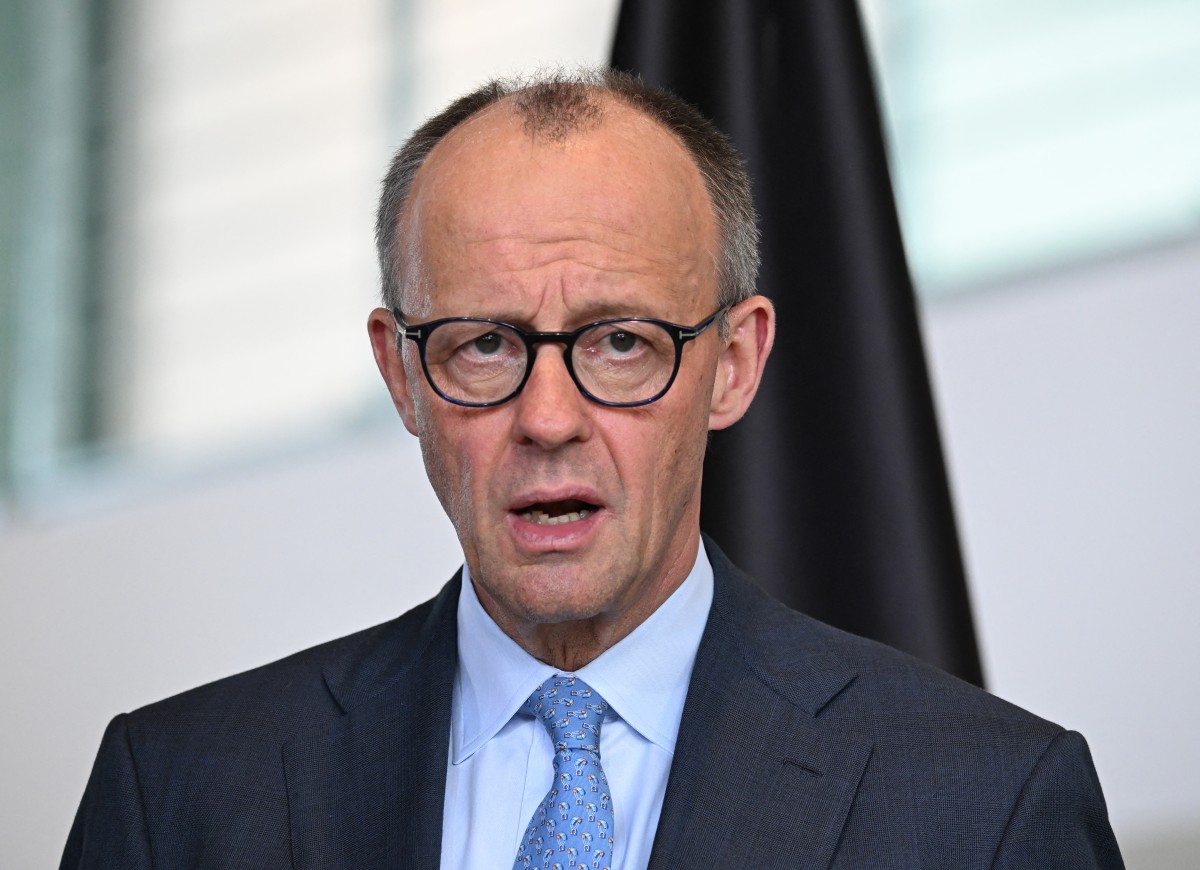
Dubai: Germany’s Chancellor Friedrich Merz has sharply criticised Iran’s negotiating tactics, saying Tehran is “humiliating” the United States as stalled talks expose growing strains between Washington and its European allies..
Merz said Iran was “very skilful at not negotiating”, pointing to failed efforts that saw US officials travel to Islamabad only to leave without progress. “An entire nation is being humiliated by the Iranian leadership,” he said, in one of the bluntest European rebukes of the crisis so far.
His remarks underscore growing unease in Europe, where leaders increasingly question Washington’s strategy and fear the conflict is sliding towards a prolonged, costly stalemate reminiscent of Iraq and Afghanistan.
Hopes of reviving talks have faded after US envoys cancelled a planned visit to Pakistan, while Iran’s diplomatic outreach shifted elsewhere following failed rounds in Islamabad and Oman. The diplomatic vacuum has left the conflict drifting, even as tensions continue to simmer on the ground.
US vs Europe — where they differ
Military role
US: Leading strikes, naval pressure
Europe: Reluctant, avoids direct involvement
Approach to Iran
US: Pressure, brinkmanship
Europe: Diplomacy, de-escalation
View of war
US: Strategic necessity
Europe: Risk of “forever war”
Hormuz response
US: Push to reopen via force
Europe: Conditional support, defensive role
Economic impact
US: More insulated
Europe: Energy shock, higher exposure
At the same time, US President Donald Trump has widened the rift with allies, openly criticising European leaders for refusing to back military operations or provide logistical support. Trump has repeatedly targeted British Prime Minister Keir Starmer, calling his stance “very disappointing” and questioning his leadership for not offering unconditional support.
Spain has also drawn Trump’s ire after denying access to key airbases and even closing its airspace to US military flights, while Italy and other allies have resisted deeper involvement.
Fallout
The public criticism has effectively distanced Washington from its traditional partners, with European capitals signalling they do not see the war as their fight. Leaders across the continent have instead stressed diplomacy and restraint, wary of being pulled into what some fear could become another “forever war”.
The fallout is not just political. The conflict has severely disrupted the Strait of Hormuz, a vital artery for global oil supplies, amplifying energy shocks across Europe. Merz warned the war was already costing Germany “a lot of money” and weakening economic output, as governments scramble to secure alternative energy sources.
Berlin has offered to deploy minesweepers to help secure the waterway, but only if hostilities ease — a sign that even defensive cooperation now hinges on de-escalation.
Former NATO chief Jens Stoltenberg echoed those concerns, warning in remarks to CNBC that the conflict could spiral unpredictably.
“Wars are dangerous… they can escalate,” he said, cautioning that a broader conflict would bring even greater economic consequences than those already seen.
For Europe, the Iran war is hitting particularly hard. As major energy importers, countries across the EU and the UK are facing rising costs and supply uncertainty, having already reduced reliance on Russian energy following the Ukraine war.
What is emerging is a widening transatlantic divide: a US administration pressing ahead with military pressure and brinkmanship, and a Europe increasingly reluctant, economically exposed, and politically unconvinced.
With talks stalled, alliances strained and markets on edge, the conflict is no longer just a Middle East crisis — it is fast becoming a defining test of Western unity.


