Pakistan’s austerity measures: All you need to know
Schools close, fuel use cuts as Sharif seeks to ease pressure amid global fuel crisis
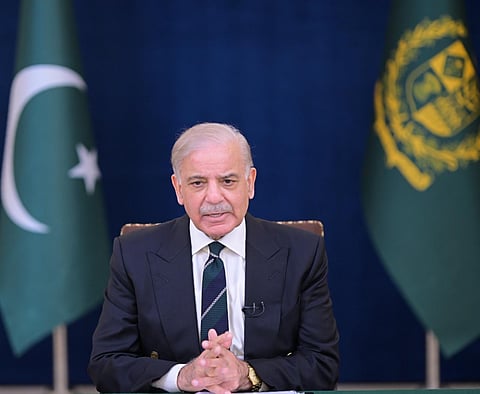
Dubai: Pakistan Prime Minister Shehbaz Sharif has announced a wide-ranging set of austerity measures aimed at conserving fuel and cutting government spending, as the country grapples with soaring oil prices triggered by the US-Israel war on Iran.
The move affects government offices, public sector staff, schools, and universities, marking one of the most significant domestic austerity efforts in recent years.
“The world is facing new challenges, and Pakistan must show unity now more than ever,” Sharif said in a televised address on Monday. He stressed that the measures are designed to stabilise the economy while keeping the burden on citizens as low as possible.
Key measures you should know
Public sector work adjustments
Offices will operate four days a week, with 50% of staff working from home, except essential services and banking
Schools will observe a two-week closure from March 16—31
Universities and colleges will shift to online classes during this period
Fuel and vehicle restrictions
50% cut in fuel allowances for official vehicles for two months; ambulances and public buses exempt
60% of government vehicles to be grounded during this period
Officials encouraged to use teleconferencing and online meetings to save fuel
Foreign travel for ministers, advisers, and officials restricted to essential trips only
Government spending cuts
Federal and provincial cabinet members will forgo salaries for two months.
Lawmakers’ salaries to be cut by 25%, while senior officials earning over Rs300,000 may donate two days’ salary.
Departments must reduce non-employee expenditures by 20%, and purchases of vehicles, air conditioners, furniture, and other items are banned until June 2026.
Official dinners, Iftar parties, seminars, and conferences to be minimised or hosted on government premises.
Why these measures
Sharif explained that Pakistan depends heavily on imported oil and gas, making it vulnerable to global energy price fluctuations. With oil prices surging above $100 per barrel amid Middle East tensions, these steps aim to conserve fuel and protect the economy.
“The decision to raise petroleum prices was difficult. We tried to take the middle road to reduce the burden on citizens,” he added.
He also warned against profiteering and hoarding of oil, stating that the law would be enforced against those seeking unlawful gains.
Economic outlook
The measures follow a record increase of Rs55 per litre in petrol and diesel prices. Inflation remains highly sensitive to global fuel rates, but the government has tried to minimise pressure on citizens while maintaining economic stability.
Sharif assured that the government is working around the clock to manage the impact of global energy volatility and emphasised that national unity and collective responsibility are key to navigating this challenging period.
Diplomatic solutions
The Prime Minister condemned both the US-Israeli attacks on Iran and retaliatory strikes on neighbouring countries. He affirmed that Pakistan is pursuing diplomatic solutions and that its armed forces, under Chief of Defence Staff Asim Munir, are prepared to secure the country’s borders.