Scorpion season brings weather changes to UAE: What to expect this winter
Thunderstorms and winds: UAE's gradual transition from winter to spring
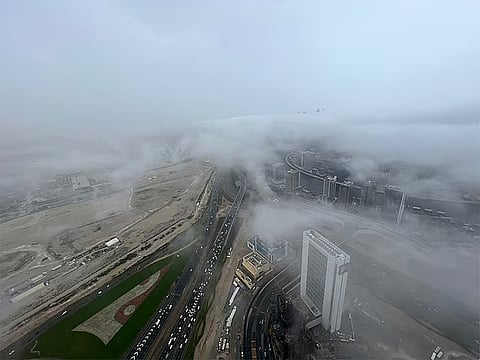
Dubai: Residents across the UAE can expect a gradual shift away from winter's cooler temperatures as the region enters what traditional Arabian meteorology calls the 'Scorpion season' – a six-week period running through mid-March that bridges the gap between winter and spring.
The transitional phase, which Emirati astronomy expert Ibrahim Al Jarwan says began on February 6, will see the mercury slowly rise while bringing with it characteristic Gulf weather patterns including thunderstorms, shifting winds, and the occasional late-season cold snap.
From cold to warm: A weather transition
Al Jarwan, who leads the Emirates Astronomical Society, explains that this 40-day window represents a pivotal moment in the regional climate calendar. Unlike the abrupt seasonal changes experienced in other parts of the world, the Arabian Peninsula undergoes this measured transformation where mornings might still carry a chill while afternoons grow progressively warmer.
"We're moving from the coldest phase of winter into conditions that will eventually welcome spring," said Al Jarwan, who also serves with the Arab Union for Astronomy and Space Sciences.
The period gets its unusual name from the Scorpius constellation, which becomes visible on the southeastern horizon at dawn during these weeks. Ancient tradition also links the season to young scorpions emerging from winter dormancy – a natural phenomenon that coincides with the changing weather.
Three distinct phases ahead
The season unfolds in three roughly two-week stages, each with its own weather personality:
Now through February 22: The current phase retains much of winter's character. Northern areas may still experience frost – sometimes called "February frost" in local parlance – while rain remains likely. Temperatures during this window will feel decidedly winter-like, particularly during early mornings and evenings.
February 23 to March 7: This middle stretch brings noticeable change. While nighttime temperatures stay cool, daytime warmth becomes more pronounced. It refers to brief returns of cold weather during this period, serving as nature’s final reminder of winter before it fully releases its grip. Rain chances continue but with less intensity.
March 8 to March 18: The final phase marks the clearest departure from winter. Daytime heat becomes established, nights turn moderate, and daylight hours nearly equal nighttime duration before tipping in favour of longer days. This phase typically concludes around March 20, when spring weather patterns fully assert themselves.
What it means for daily life
Beyond the temperature changes, the Scorpion season historically brings practical benefits to the region. Traditional communities viewed this period favourably for agriculture, as rainfall greens the landscape and supports crop growth. Livestock productivity typically increases, and the natural environment responds to the moisture and moderating conditions.
UAE residents might notice more variable day-to-day weather. Sunny mornings giving way to afternoon clouds, sudden temperature swings, and the rumble of thunder becoming more common. The shifting wind patterns can also affect visibility and outdoor activities.
Al Jarwan notes that while traditional seasonal knowledge provides valuable context, residents should monitor official weather forecasts for specific daily conditions and any severe weather warnings during this transitional period.


