Etihad Rail tests UAE’s first magnetic levitation rail in Middle East
It reduces energy use by 29%, for a quieter, eco-friendly journey in the UAE
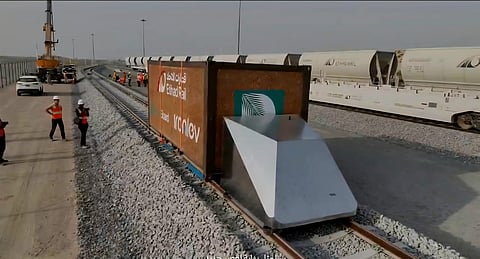
Dubai: The future of transport in the UAE just got a serious magnetic upgrade. Etihad Rail has officially pulled back the curtain on a groundbreaking partnership with IronLev, a high-tech Italian pioneer, to launch the region's first-ever magnetic levitation (maglev) trial. This isn't just a fancy science experiment; it’s a bold vision for how we’ll move goods and people across the UAE with virtually zero friction.
The magic of passive levitation
Unlike traditional maglev systems that require specialised, power-hungry tracks, this trial utilises passive ferromagnetic levitation. In simpler terms, the system uses permanent magnets to lift the train above existing rails without needing a constant stream of electricity just to stay afloat. It’s a "best of both worlds" scenario: we get the ultra-smooth, high-speed benefits of maglev technology while utilising the massive rail infrastructure the UAE has already built.
Breaking down the numbers
During the trial at the Al Faya Depot, the technology proved it could handle the heavy lifting. The test run saw a platform successfully transport a 7-ton container over a 1.2 km stretch. Even more impressive is the efficiency; by eliminating the physical contact between the wheels and the tracks, friction becomes a thing of the past. Early data suggests this could lead to a staggering 29 per cent reduction in energy consumption compared to traditional rail systems.
Why this matters for the UAE
As Etihad Rail gears up for its full passenger network launch in 2026, sustainability is the name of the game. By reducing wear and tear on the tracks and slashing carbon emissions, this maglev integration aligns perfectly with the UAE’s Net Zero goals. We are looking at a future where traveling at speeds of up to 200km/h feels like gliding on air because, technically, you are.


