'Ukay-ukay': Why UAE residents are embracing thrift shopping
UAE residents share why pre-loved fashion is becoming a favourite shopping choice
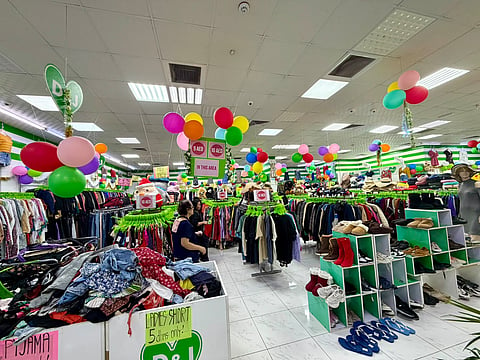
Dubai: For many fashion lovers, looking good does not have to come with an expensive price tag. Sometimes, the best finds are hidden among racks of pre-loved clothes, waiting to be discovered.
Known among Filipinos as “ukay-ukay,” thrift shopping offers an affordable way to explore different styles, find unique clothing, and enjoy fashion without spending too much.
For Filipinos living and working in the UAE, the appeal goes beyond finding clothes at lower prices. It is also about expressing personal style, making practical spending choices, and giving pre-loved items a second life.
Get updated faster and for FREE: Download the Gulf News app now - simply click here.
Finding fashion gems
For Angelie Montalba, a nursing assistant who has spent four years in the UAE, thrift shopping is a way to enjoy her love for fashion without spending a lot.
She likes dressing up and creating different outfit-of-the-day (OOTD) looks. Thrift shops allow her to find beautiful, good-quality, and even branded clothes at prices lower than those of brand-new items.
“I feel so happy whenever I find a good piece that looks expensive but costs much less. It's like finding a hidden treasure,” Montalba told Gulf News.
She added, “It also becomes more enjoyable because I get to go shopping with my family and friends. We have fun searching for beautiful finds together, sharing our discoveries, and enjoying the experience.”
Although social media provides inspiration through outfit ideas and OOTD styles, Montalba has noted that her biggest motivation comes from her own love of fashion and dressing up.
Looking good without overspending
Ermina Jordan, a cleaner who has lived in the UAE for eight years, has bared that thrift shopping is about being fashionable while making practical spending decisions.
She believes that dressing well does not mean buying expensive, brand-new clothes. Instead, she enjoys finding fashionable, good-quality pieces at affordable prices that suit her personal style.
One of the biggest attractions has been the excitement of discovering unique items that are not commonly found elsewhere. As an overseas Filipino worker (OFW) living in Dubai, she has appreciated being able to enjoy fashion without overspending.
“Affordable prices are a big advantage, especially as an OFW living in Dubai. I can enjoy fashion without overspending. I also appreciate the sustainability aspect because giving pre-loved clothes a second life is a simple way of helping reduce waste,” shared Jordan.
Social media has played a role in her interest. Fashion content creators and people sharing their thrift finds inspire her to visit shops and explore ways to style affordable pieces. Recommendations and discoveries by friends have also encouraged her to try various thrift stores.
“At the end of the day, I believe fashion is not about wearing expensive brands, it’s about having confidence, creativity, and your own sense of style.”
A Filipino tradition
For Maria Begenio, a document controller who has been in the UAE for 12 years, ukay-ukay is more than just a shopping trend. It is also part of Filipino culture.
The word ukay-ukay comes from the Filipino word “hukay,” which means to dig. It refers to the retail practice of selling surplus, secondhand, or pre-owned clothing at discounted prices.
The appeal lies in the affordability and variety of items available. Shoppers can discover unique pieces at lower prices while making the most of clothing that has been previously owned.
Begenio has highlighted the cultural significance of ukay-ukay, regarding it as a reflection of Filipino resourcefulness and the ability to make good use of available supplies.
“The experience of sifting through racks filled with unique pieces, often with a sense of nostalgia and personal connection, adds to the excitement and satisfaction of the shopping process,” described Begenio.
She added, “Ukay-ukay serves as a cultural phenomenon that showcases the resilience and adaptability of Filipino communities, making it a beloved part of local life.”
Begenio has pointed to social media as a major factor in the growing visibility of thrift shopping.
Platforms such as Instagram, Facebook, and TikTok allow thrift stores to showcase their collections to wider audiences, attract new customers, and build awareness beyond their physical locations.
Through regular posts, engaging content, and hashtags, stores can turn social media users into potential shoppers. The growing popularity of thrift hauls and fashion content has also helped make secondhand shopping more mainstream.
Rising costs drive demand
According to Devji Parmar, owner of D&J Ukay-Ukay, the appeal of thrift shopping comes down to affordability and the wide range of fashion choices available.
Having been in the UAE since 1997, Parmar has seen growing interest in the secondhand clothing business over the years.
“In the past few years, it has become more popular and demanding because the cost of living has gone up, so it’s more survivable within the budget,” said Parmar.
Another growing attraction has been vintage fashion, which he mentioned is becoming increasingly popular.
“Definitely, finding unique styles,” he said when asked what makes thrift shopping appealing.
Parmar has also underscored the environmental benefits of recycling clothes, as giving garments another use can help reduce waste.
The excitement of the unexpected
There is a certain excitement in not knowing what you might find when you walk into a thrift shop. It could be a branded shirt, a vintage dress, or an unexpected piece that completes an outfit.
And for ukay-ukay enthusiasts in the UAE, that element of surprise, together with affordable prices and the freedom to express their style, is what keeps the hunt worthwhile.