Middle East war: Things UAE residents need to know today (Nov 15, 2026)
Saudi Arabia thwarts missile threats targeting Riyadh and oil-rich regions
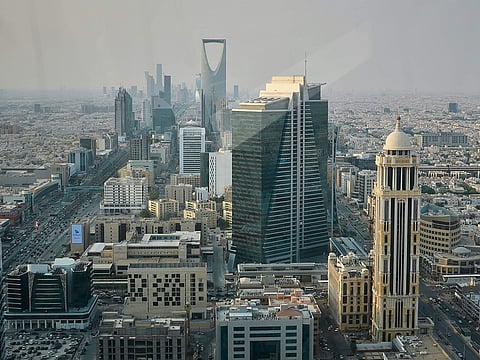
The Middle East conflict saw fresh escalation on Sunday as Bahrain intercepted Iranian aerial attacks and Saudi Arabia reported new missile and drone threats. Meanwhile, reports of tanker explosions in the Strait of Hormuz kept maritime security in focus, despite a recent decline in international oil prices.
Here are 4 key developments UAE residents need to know this evening.
Get updated faster and for FREE: Download the Gulf News app now - simply click here.
1. Bahrain intercepts Iranian aerial attacks
Bahrain said Sunday that its air defences intercepted and destroyed several Iranian aerial attacks following security warnings urging residents to seek shelter.
Reuters reported that Iran's Islamic Revolutionary Guard Corps claimed to have launched six drones targeting US air-defence radar at the Al-Rifaa helicopter base.
Neither US nor Bahraini authorities immediately confirmed Iran's claimed strike on the facility.
Bahrain, which hosts the US Navy's Fifth Fleet, condemned the attacks and urged residents to remain calm.
The incident highlights continuing security risks across the Gulf despite diplomatic efforts to reduce tensions between Washington and Tehran.
2. Saudi Arabia intercepts missiles targeting Riyadh
The Saudi-led coalition said on Sunday that it intercepted two ballistic missiles launched towards Riyadh and three drones targeting the kingdom's oil-rich Eastern Province.
Houthi attacks on Saudi airports, ports and energy infrastructure have intensified in recent weeks, prompting expanded Saudi military operations in Yemen.
The Eastern Province contains much of Saudi Arabia's oil and gas infrastructure, making continued attacks a concern for regional energy supplies.
For UAE residents travelling to Saudi Arabia, particularly for Umrah, business or family visits, checking flight status directly with airlines before departure remains essential.
3. Iran claims three tankers struck mines in Hormuz
Iran's navy said three oil tankers caught fire after striking naval mines in the Strait of Hormuz on Saturday, according to Iranian state media.
Iranian authorities claimed the vessels were using prohibited shipping routes.
Continued insecurity in Hormuz threatens Gulf oil exports and commercial shipping.
For UAE businesses, disruption at both Hormuz and Bab Al Mandab could complicate trade routes and increase transport costs.
4. Oil prices ease as Gulf financial markets decline
International oil markets remain sensitive to developments in the region, although prices have fallen substantially from October's highs.
Reuters reported Sunday that Brent crude futures had declined approximately 18.5% over the previous two weeks, reflecting improving supply conditions and weaker seasonal demand.
Regular oil futures markets are closed on Sunday.
Meanwhile, Saudi Arabia's benchmark stock index fell 0.7%, while Qatar's declined 1.8%, as investors assessed security risks and shipping disruption.
For UAE residents, lower crude prices could eventually reduce some transport and logistics costs, although domestic petrol prices are adjusted monthly.
Residents should continue following official government announcements and airline advisories as regional developments unfold.


