Sheikh Shakhbout Medical City performs 1,300 robotic-assisted surgeries
The programme recorded 42 per cent growth in the first half of 2026
Sheikh Shakhbout Medical City (SSMC) continues to advance the use of cutting-edge medical technologies in surgeries through its robotic-assisted surgery programme, which has undertaken more than 1,300 procedures since its launch. The programme is currently performs more than 500 surgeries annually.
The programme recorded 42 per cent growth in the first half of 2026 alone, highlighting the continued expansion of robotic-assisted procedures across the city’s surgical services. This growth reflects SSMC’s commitment to harnessing innovation and modern technology to advance medical practice, enhance surgical efficiency and deliver advanced healthcare to patients.
Get updated faster and for FREE: Download the Gulf News app now - simply click here.
A transformative shift in treating complex conditions
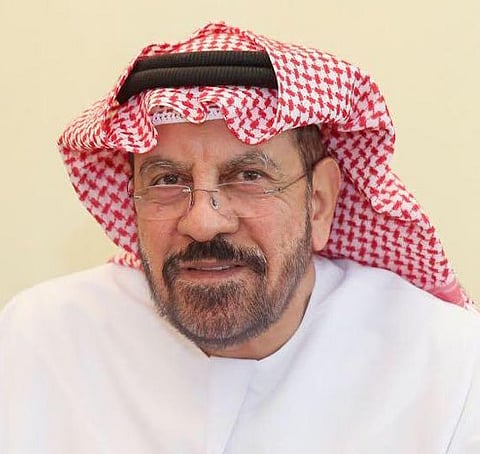
Dr Marwan Al Kaabi, Chief Executive Officer of Sheikh Shakhbout Medical City, said: “Robotic surgery has transformed the delivery of care for complex conditions around the world. If I were to describe the next chapter of healthcare in one word, it would be ‘precision’. This is not just about precision in surgery, but also about how we diagnose and treat conditions and support every patient throughout their healthcare journey.
“Perhaps the most significant transformation, however, will not come from technology alone, but from how clinical teams bring these innovations together to deliver more personalised, data-driven and high-quality care. Healthcare institutions will lead the next phase of this transformation by developing the expertise, governance frameworks and organisational culture needed to adopt innovation responsibly, without compromising patient safety or quality. This is what creates a lasting impact.
“For decades, progress in healthcare was measured by the treatments we could offer. Today, I believe the true measure of progress lies in how intelligently we deliver those treatments. This represents a fundamental shift in thinking. Innovation is no longer simply about acquiring the latest technologies, but about using them to make care safer, more personalised and, ultimately, more human.
“Robotic surgery is one of the most compelling examples of this evolution, not because it replaces the expertise of surgeons, but because it expands what highly skilled clinical teams can achieve. Its real value lies in enabling greater precision in complex procedures, less invasive surgery where appropriate, and faster recovery for many patients. These are the outcomes that truly matter.”
Comprehensive robotic surgery programme at SSMC
Dr Al Kaabi said: “Since launching our robotic surgery programme in 2020, our focus at Sheikh Shakhbout Medical City has been on developing expertise, strengthening multidisciplinary collaboration and embedding a culture of continuous learning, all with the aim of delivering exceptional patient care.
“Technology alone does not transform healthcare; people do. We are still at the beginning of exploring what is possible. Every advancement creates new opportunities for our clinical teams to address increasingly complex challenges, help more patients recover faster and enable them to return to the lives that matter most to them.
“Every major advancement in healthcare eventually becomes part of everyday clinical practice, and I believe robotic surgery is moving in that direction. Over the next decade, we will see robots become smarter, more interconnected and increasingly integrated with advances in medical imaging, artificial intelligence and data analytics. This will provide clinical teams with greater precision and enhanced decision-making support throughout the surgical journey.”