'It's not just bad periods': Doctors explain why endometriosis is often missed
Doctors explain why severe period pain is still dismissed and the signs that are ignored

Dubai: When "just bad periods" hides something more.
Severe period pain sends more young women to the doctor than it used to, yet the average endometriosis diagnosis can still take years to arrive.
It's one of the most common gynaecological conditions there is, affecting roughly one in ten women of reproductive age, and one of the most consistently misread. We spoke to three specialists, about why the gap between symptom and diagnosis persists, and what it actually looks like in the years before someone finally gets an answer.
More diagnoses, but still not enough
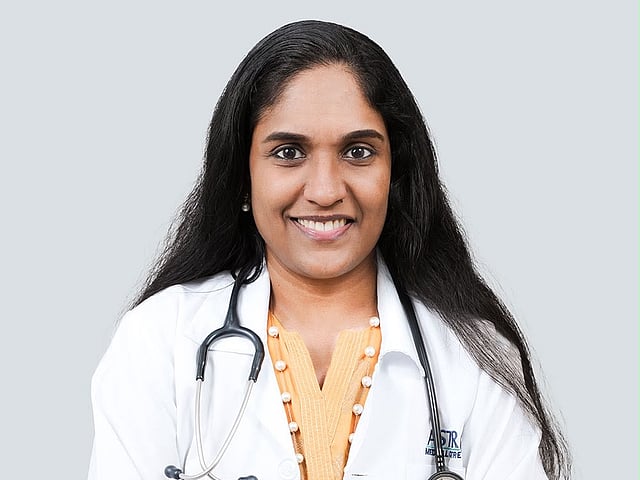
More teenagers and women in their twenties are being diagnosed than in previous years, says Dr Anusree Saraswathy of Aster Clinic, though that doesn't necessarily mean the condition itself is becoming more common. Social media, patient advocacy and better access to specialists have simply made it easier for young women to put a name to what they're feeling instead of enduring it quietly.
Dr Sandip Sonara of Medcare Women & Children Hospital offers a more cautious read on those same numbers. The rise among teenagers and twenty-somethings, he says, is comparatively modest next to older age groups, which suggests younger women remain significantly under-diagnosed even as awareness grows. Normalised pain, a lack of adolescent-specific guidance, and reluctance from teens, parents and even clinicians to investigate early are still holding those numbers back.
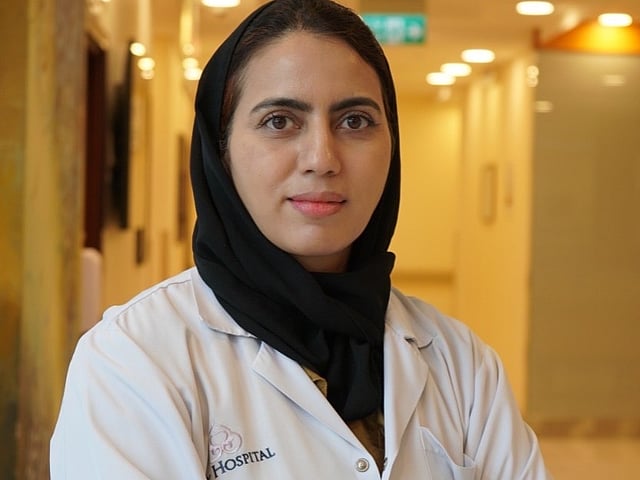
Dr Beebi Ayisha Yakeen of RAK Hospital points to something more structural behind the shift: clinical guidelines from bodies like NICE and ESHRE now explicitly state that endometriosis should be considered in teenagers with persistent pelvic pain, and that a surgical diagnosis via laparoscopy isn't always necessary before starting treatment. That alone has opened the door to earlier diagnosis for many.
Pain that shows up before a girl has even had her first period, which can point to lesions already responding to early hormonal changes.
The years it takes to get here
Ask any of the three why diagnosis still drags on, and the answer keeps circling back to one thing: normalised pain. Many women grow up believing severe cramps are simply part of being a woman, Dr Saraswathy explains, and because symptoms so often overlap with conditions like irritable bowel syndrome or urinary disorders, women frequently see several different providers before anyone considers endometriosis at all.
Dr Sonara adds a harder truth to that picture. Stigma, fear of being seen as overreacting, and worry about wasting a doctor's time all keep women from seeking help in the first place. Too often, he says, they're told their pain is normal, handed a painkiller or a contraceptive pill without further investigation, or given a clear ultrasound that gets read as "nothing wrong," when superficial endometriosis frequently doesn't show up on a scan at all.
Another point that was raised matters more than it sounds. Diagnosis used to depend almost entirely on laparoscopy, Dr Yakeen notes, which itself built delay into the system. Guidance has since shifted toward diagnosing based on symptoms and examination, with imaging as support rather than the final word, but old habits, dismissing pain as "just bad periods," still slow referrals down.
The pain women learn to live with
The symptoms that get waved away follow a strikingly consistent pattern across all three specialists: cramps severe enough to need real painkillers, pain that disrupts school, work, painful bowel movements or urination during a period, heavy bleeding, chronic fatigue, and difficulty conceiving.
A few details are worth sitting with longer. Dr Sonara flags pain that begins before a period starts and lingers for days after it ends, nausea or diarrhoea tied to menstruation, and pain that flares during exercise.
Dr Yakeen also added a genuinely surprising one: pain that shows up before a girl has even had her first period, which can point to lesions already responding to early hormonal changes. The advice from all three is the same. If pain isn't easing with over-the-counter medication, is getting worse, or is interfering with daily life on a regular basis, that's the moment to ask for more than reassurance.
Persistent pain severe enough to cause school absence, pelvic pain between periods, and a family history of endometriosis as signals parents shouldn't brush off.
What it costs when nobody looks closer
Left untreated, the disease doesn't stay still. Chronic pelvic pain, ovarian cysts and adhesions can all develop, and Dr Sonara points to something called central sensitisation, where the nervous system becomes more reactive to pain the longer it goes unmanaged, making it progressively harder to treat. Anxiety, depression and disrupted sleep show up more often the longer diagnosis is delayed, alongside missed school, lost productivity at work, and strain on relationships.
Dr Yakeen offers an important caveat worth holding onto: not every woman with endometriosis becomes infertile, and how severe someone's symptoms are doesn't necessarily reflect how extensive the disease actually is. But the broader pattern still holds. The longer the wait, the worse the outcomes tend to be, across nearly every measure.
Teenagers often present differently to adult women altogether, with pain that shows up randomly through the month rather than only around menstruation, alongside bowel symptoms easily mistaken for IBS.

Catching it early in teenagers
This is where the specialists get most specific. Dr Saraswathy highlights persistent pain severe enough to cause school absence, pelvic pain between periods, and a family history of endometriosis as signals parents shouldn't brush off.
Dr Sonara notes that teenagers often present differently to adult women altogether, with pain that shows up randomly through the month rather than only around menstruation, alongside bowel symptoms easily mistaken for IBS. Dr Yakeen adds pain during exercise and more, reinforcing family history as a factor worth asking about directly.
Progress, and what to do if you're not believed
Imaging has genuinely improved, all three agree, with high-resolution ultrasound and specialised MRI now catching some cysts and deeper lesions that would once have gone unnoticed, alongside a shift toward multidisciplinary care that brings in pain specialists and physiotherapists, not just gynaecologists. Dr Sonara notes research into non-hormonal treatments and biomarkers is ongoing, though still some way from replacing current diagnostic tools.
For women who've already been told their pain is normal, Dr Yakeen's advice is refreshingly concrete: keep a symptom diary, be specific about how pain affects daily life, and ask directly whether endometriosis has been considered. A clear ultrasound, she stresses, doesn't rule it out.
Dr Saraswathy puts the wider point: don't ignore pain that keeps disrupting your life. Early diagnosis, she says, doesn't just ease symptoms, it protects fertility and quality of life for years afterward.