How the UAE could turn longer lives into a longevity economy
Longer, healthier lives could boost productivity, ease rising cost of chronic disease

Dubai: People in the UAE and across much of the Gulf are living longer than ever, with life expectancy approaching 80 in several countries.
But the number of years people spend in good health has not kept pace, creating a growing gap between lifespan and “healthspan” that could carry a significant economic cost.
A new analysis by Deep Knowledge Group suggests the UAE could turn that challenge into an opportunity by building an economy around prevention, healthy ageing and longer working lives.
Lifespan
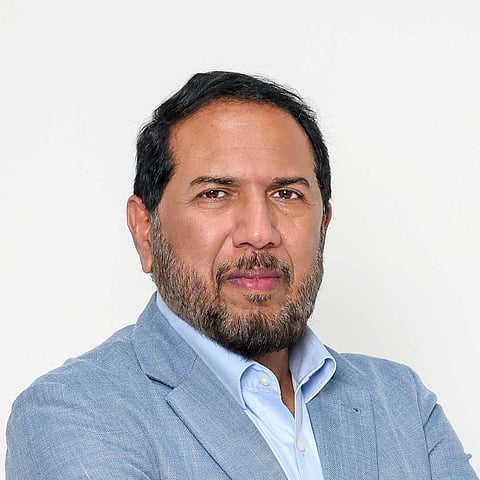
“The Gulf has already won the battle for lifespan. People here now live to nearly eighty. The question that matters for the next twenty years is not how long people live, but how much of that time they spend in good health, and on that measure the region is still losing ground to the OECD countries,” Dmitry Kaminskiy, General Partner of Deep Knowledge Group, told Gulf News.
The research estimates that the Gulf loses about 4,186 more healthy life-years per 100,000 people than the OECD countries average, with diabetes, obesity, metabolic syndrome, cardiovascular disease and physical inactivity among the major contributors.
Working people
Many of those affected are not elderly or hospitalised. They are working-age people who remain employed while living with chronic conditions that can reduce productivity and place financial pressure on families.
“Most of the economic damage from chronic disease never appears in a hospital budget. It shows up as people of working age who are alive, employed and unwell. That is why prevention is an economic policy and not only a health policy,” Kaminskiy said.
A $50 billion GCC burden
The economic impact is already substantial. Four major non-communicable diseases including cardiovascular disease, diabetes, cancer and chronic respiratory disease are estimated to cost the GCC about $20 billion a year in lost productivity and another $30 billion in direct treatment costs.
The combined $50 billion burden is equivalent to about 2.3% of GCC economic output, with roughly two-fifths falling on employers, households and the wider economy rather than directly on health budgets.
More healthy years
The study estimates that adding two to four healthy years across the GCC could generate between $70 billion and $100 billion in additional economic output by 2030. It describes the figure as an order-of-magnitude estimate rather than a forecast.
The demographic challenge is also accelerating. The population aged 65 and above across the Middle East and North Africa is projected to rise by about 243% by 2050, while fertility is expected to decline by about 19.2%.
With the average effective retirement age at around 54 and life expectancy extending into the early 80s, regional systems could eventually need to support around 27 years of post-employment life for each retiree.
UAE’s advantage
The UAE’s distinctive population structure could give it an opportunity to develop solutions that other countries may struggle to implement.
About 88% of UAE residents are expatriates, meaning many people spend their working lives moving between countries and accumulating pensions, insurance coverage and medical records across different systems.
“When nine in ten of your residents come from somewhere else, you cannot build retirement security on a system that assumes people stay put,” Kaminskiy said.
The research argues that portable pensions, insurance, health records, long-term care coverage and health-linked savings will, therefore, become increasingly important.
Private healthcare system
The UAE’s heavily private healthcare system could also help accelerate the adoption of preventive healthcare. Private providers operate about 89% of health facilities and account for around 72.8% of hospital admissions.
However, greater private-sector involvement also creates challenges, particularly around fragmented medical data, duplicated testing and differences in healthcare standards.
Longevity system
Longevity medicine depends heavily on tracking health over time. A biomarker or diagnostic result becomes far more useful when it can be compared with the same measurement taken five or 10 years earlier.
The study, therefore, highlights the need for interoperable health records, common preventive-care standards, integrated diagnostic pathways and data analytics capable of tracking population health over decades.
Measuring healthy years
The report argues that success should ultimately be measured by health outcomes rather than the number of new clinics or longevity programmes.
Key indicators should include later onset of chronic diseases, longer periods of independent living, fewer preventable hospital admissions and a shorter period of illness towards the end of life.
“The measure of success here is not how many clinics open. It is whether disease arrives later, whether people stay independent longer, and whether the years at the end of life are shorter and better,” Kaminskiy said.
For the UAE, the opportunity could extend beyond healthcare.
If it succeeds in developing the infrastructure needed to finance, monitor and support longer healthy lives, the country could eventually export that expertise across the wider MENA region as populations age, workforces become increasingly mobile and retirement periods lengthen.
Key points
Life expectancy: UAE and several Gulf states now approach 80 years.
Health gap: The Gulf loses about 4,186 more healthy life-years per 100,000 people than the OECD average.
GCC economic burden: Major chronic diseases cost about $50 billion a year in productivity losses and treatment.
Potential economic gain: Two to four additional healthy years could generate $70 billion-$100 billion in GCC output by 2030.
Ageing: MENA’s 65+ population is projected to rise about 243% by 2050.
UAE advantage: About 88% of residents are expatriates, creating demand for portable pensions, insurance and health records.
Healthcare: Private providers operate about 89% of UAE health facilities.
The goal: Shift the focus from simply living longer to spending more years in good health and independence.