Fasting and abstinence: A simple guide to Lent 2026
What the Church requires during the Lenten season, who must observe it, and who is exempt
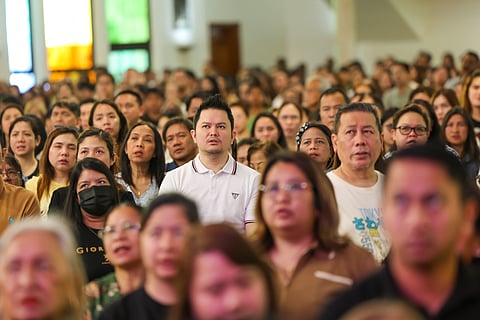
Dubai: Lent is a 40-day period of prayer, sacrifice and reflection observed by Catholics worldwide. For many faithful in the UAE, particularly from expatriate communities, this season is marked by two main forms of penance: fasting and abstinence.
The Catholic Church has described Lent as a time of penance, or turning away from sin and renewing one’s faith. In its Code of Canon Law, it is declared that while personal acts of sacrifice may differ, the Church has set a common practice so that believers observe the season together.
“Penitential days are prescribed on which the Christian faithful devote themselves in a special way to prayer, perform works of piety and charity, and deny themselves by fulfilling their own obligations more faithfully and especially by observing fast and abstinence.”
What is fasting?
Fasting during Lent involves reducing the amount of food consumed in a day. Church law allows one full meal daily. Two smaller meals may be taken if necessary to maintain strength, but eating between meals is not permitted. Drinks, including milk and fruit juices, are allowed.
Fasting is observed on Ash Wednesday and Good Friday. It is required for Catholics from 18 to 59 years old.
What is abstinence?
Abstinence means refraining from eating meat from land animals. However, eggs, dairy products, and condiments made from meat are permitted. Fish and other cold-blooded animals may also be consumed.
In addition to Ash Wednesday and Good Friday, abstinence should be practised on all Fridays during Lent, unless a solemnity, otherwise known as a feast day, falls on a Friday. Catholics aged 14 and above are required to observe it.
Who are exempted?
The Church recognises that health, work, and living conditions may prevent some people from strictly observing these practices.
Those who are materially poor, such as people living in extremely difficult conditions, the very sick who are bedridden and immobile, domestic workers and labourers who work long hours, and professionals whose duties require constant alertness, like police officers, security personnel, doctors and nurses on duty, may be exempted.
“The conference of bishops can determine more precisely the observance of fast and abstinence as well as substitute other forms of penance, especially works of charity and exercises of piety, in whole or in part, for abstinence and fast,” stated in the Catholic Church’s Code of Canon Law.
For Catholics, fasting and abstinence are not only about food restrictions. They are spiritual practices meant to encourage prayer, charity, and personal renewal during the Lenten season.