UAE links universities with industry to build future energy and water workforce
MoHESR brings together universities, ADNOC and industry leaders to shape job-ready talent
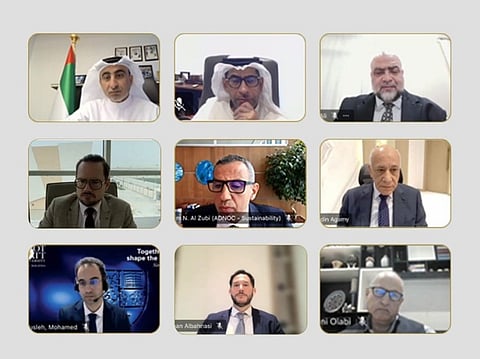
The Ministry of Higher Education and Scientific Research has held the first meeting of its Sustainable Energy and Water Working Group, bringing together universities and industry leaders to better align education with future job needs.
The group is one of eight under the Advisory Committee for Higher Education and Future Skills, and focuses on preparing students for roles in key sectors such as energy and water.
The meeting included representatives from major academic institutions, including United Arab Emirates University, Zayed University, Higher Colleges of Technology, Khalifa University and New York University Abu Dhabi, along with several others.
Get updated faster and for FREE: Download the Gulf News app now - simply click here.
It also saw participation from key companies such as ADNOC Group, TAQA, Emirates Global Aluminium, Schneider Electric and Emirates NBD.
Aligning education with jobs
Officials said the meeting focused on understanding the skills needed in energy and water sectors, and how universities can update programmes to match those needs.
The ministry stressed the importance of continued coordination between education providers and industry to ensure students are ready for future roles.
Dr. Faisal Al Ayyan, President and CEO of the Higher Colleges of Technology, said the group will help strengthen links between universities and employers.
He noted that applied learning and real work experience will play a key role in preparing students.
Focus on future skills
Ibrahim Al Zu’bi, Group Chief Sustainability and ESG Officer at ADNOC and Chairman of the working group, said aligning education with sector changes is important for building national talent.
He added that the group will focus on sustainability, use of technology and stronger cooperation between academia and industry.
“Energy and water sectors are changing quickly, and we need to make sure students are prepared,” he said.
Practical steps
During the meeting, participants discussed priority skills, including the use of data, technology and sustainability practices.
They also reviewed ways to update academic programmes and create more opportunities for internships, training and research collaboration.
Officials said using data to identify skill gaps will help universities design programmes that better match real-world needs.
Looking ahead
Participants welcomed the discussions and stressed the need to continue building partnerships between universities and companies.
They said such cooperation will help students gain practical experience and improve their chances in the job market.
The ministry said the working group is part of wider efforts to develop the UAE’s higher education system and support national priorities, including preparing talent in energy, renewable energy and water sectors.
Officials added that these steps will help strengthen the country’s competitiveness and support long-term development.


