Dubai expands education councils to include parents and teachers
KHDA to launch new platforms from 2026-27 academic year to shape education policy
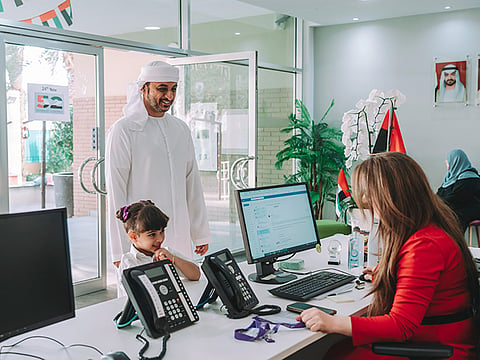
Dubai: Dubai’s Knowledge and Human Development Authority (KHDA) is expanding its community participation model in education, bringing parents and teachers into formal decision-making discussions for the first time alongside students.
The move builds on the success of the Dubai Students Council, launched in the 2025-26 academic year, and reflects efforts to give families and educators a stronger role in shaping the emirate’s private education system.
Get updated faster and for FREE: Download the Gulf News app now - simply click here.
Student council sets the foundation
The Dubai Students Council currently brings together 16 students from Grades 9 to 12 across different curricula and backgrounds. It was created to ensure that student voices are directly reflected in discussions on education policy and school development.
Since its launch, the council has held regular meetings, created channels for student feedback, and worked on initiatives aimed at improving communication between students and education authorities. KHDA said the experience has shown the value of structured student participation in shaping practical improvements.
Parents and educators to join in 2026-27
Building on this model, KHDA will launch the Dubai Parents Council and the Dubai Educators Council at the start of the 2026-27 academic year.
Each council will include 15 members and will serve as a platform for parents and teachers to share views, raise concerns, and contribute ideas on how to improve learning in private schools and early childhood centres across Dubai.
The authority received strong interest in the initiative, with 152 applications for the Parents Council and 160 for the Educators Council, including submissions from Emirati families and professionals. KHDA said selection will be based on a transparent process aimed at ensuring fairness and diverse representation.
A platform for shared decision-making
The councils will work closely with KHDA and schools, focusing on issues such as student wellbeing, inclusion, teaching quality, and school-community engagement. Officials said the aim is to build stronger trust between families, educators and regulators, while improving the overall learning experience.
Dr Amna Almaazmi, CEO of the Growth and Human Development Sector at KHDA, said the expansion reflects the belief that education improves when families, teachers and students work together.
She said the new councils will allow those closest to learners to share real experiences from classrooms and homes, helping shape policies that are more practical and responsive to students’ needs.
Dr Almaazmi added that the positive response to the student council showed how meaningful participation can lead to real change, and said the same approach will now be extended to parents and educators.
Supporting Dubai’s long-term education vision
The three councils align with key initiatives under Dubai’s Education 33 Strategy, which aims to build a more inclusive and future-focused education system. They also support programmes designed to empower students, teachers and families through closer collaboration.
KHDA said the councils will act as advisory platforms, ensuring that education policies are informed by lived experiences from across the school community.
Membership will be voluntary and unpaid, with appointments lasting one year. Members may apply for a second term, subject to performance and eligibility.
Officials said the expansion marks a shift towards a more open and connected education system, where parents, teachers and students all have a structured voice in shaping the future of learning in Dubai.


