What is Hag Al Laila? The Emirati tradition that marks the countdown to Ramadan
Hag Al Laila in UAE: Dates, cultural significance and where to celebrate
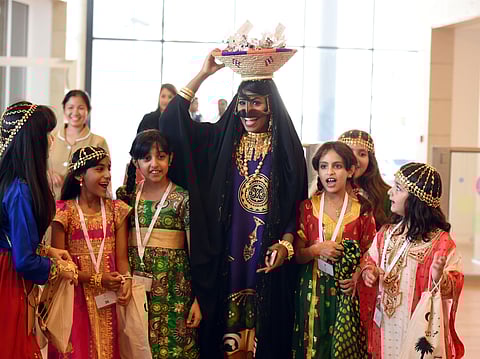
Dubai: As Ramadan approaches, you may notice a joyful sight in neighbourhoods, schools and even popular public attractions across the UAE. Emirati children, dressed in traditional clothing and carrying colourful woven bags, go door to door asking for sweets and treats.
This cheerful celebration is known as Hag Al Laila, a long-standing Emirati tradition that takes place in the weeks leading up to Ramadan.
While Hag Al Laila is deeply rooted in Emirati culture, similar celebrations are observed across the Gulf. In Qatar, it is known as Garangao in Bahrain, Gergaoon in Oman, Garangesho and in Kuwait and Saudi Arabia, it is called Gargean.
What is Hag Al Laila?
Hag Al Laila is a traditional children’s celebration that marks the spiritual and social preparation for Ramadan. According to Sara Yousef, a cultural presenter at the Sheikh Mohammed Centre for Cultural Understanding (SMCCU), the occasion holds deep cultural meaning.
“Hag Al Laila is a traditional Emirati children’s celebration that happens before the holy month of Ramadan, and it is a happy occasion that reflects values of generosity, community, and preparing spiritually and socially for Ramadan,” she explained.
The celebration places children at the centre, reinforcing lessons of sharing, gratitude and social connection from an early age.
Hag Al Laila is a traditional Emirati children’s celebration that happens before the holy month of Ramadan. It is a happy occasion that reflects values of generosity, community, and preparing spiritually and socially for Ramadan.

When is Hag Al Laila celebrated?
“Hag Al Laila is celebrated on the eve of the 15th of Sha‘ban, the eighth month in the Islamic calendar, which usually falls two weeks before Ramadan begins. Hag Al Laila is one of the events in the Season of Wulfa, a time associated with closeness, kindness, and strengthening social bonds,” Sara said.
The Season of Wulfa is a cultural period rooted in Emirati and Islamic values. It focuses on connection, generosity and togetherness through shared traditions that extend from Hag Al Laila through Ramadan and into Eid Al Fitr.
How is Hag Al Laila celebrated in the UAE?
The phrase Hag Al Laila translates to 'for the night', reflecting the evening-based nature of the celebrations, which traditionally takes place after the Maghrib prayer in the middle of Sha‘ban.
“Children are at the heart of Hag Al Laila. Dressed in traditional clothing, they go door to door in their neighbourhoods singing special songs and receiving sweets, nuts, and small treats that they collect in cloth bags,” Sara said.
Children often stand outside homes chanting “Atoona Hag Al Laila”, which means “Give us sweets for tonight”. Their brightly coloured woven bags gradually fill with candies and nuts as neighbours participate in the tradition.
Families also mark the occasion by preparing special foods, particularly luqaimaat, fried dumplings soaked in date honey which are usually reserved for major celebrations such as Eid or weddings.
“Hag Al Laila was a simple, neighbourhood-based celebration, with whatever sweets were available to be shared,” she explained.
Hag Al Laila is a reminder that Emirati culture has always placed children, community, and generosity at its center. Even as the country has modernized, these moments of shared joy continue to connect generations and keep cultural memory alive.Sara Yousef, Cultural Presenter at the Sheikh Mohammed Centre for Cultural Understanding (SMCCU)
Historically, the celebration took place within the fareej, or traditional Emirati neighbourhood, where children gathered dressed in traditional attire and visited nearby homes together.
Today, while Hag Al Laila has become more organised and elaborate, its essence remains unchanged. Schools, cultural centres, offices and shopping malls now host structured activities and events, expanding the celebration beyond residential areas.
“While the setting has evolved, the heart of the tradition remains the same: joy, giving, and togetherness,” Sara noted.
“Hag Al Laila is a reminder that Emirati culture has always placed children, community, and generosity at its centre. Even as the country has modernised, these moments of shared joy continue to connect generations and keep cultural memory alive.”
Hag Al Laila in the UAE: Fatwa Council says mid-Sha’ban celebrations are allowed
The Council explained that the night holds spiritual merit and that people may commemorate it through worship as well as customary traditions.
In its statement, the Council added that celebrating Hag Al Laila is allowed under established social customs, as long as these practices do not conflict with the principles or objectives of Islamic law.
Where to celebrate Hag Al Laila in Dubai
Global Village
Dates: Saturday, 31 January to Tuesday, 3 February
Activities include arts and crafts workshops, games and meet-and-greet sessions with The Wonderers, who will interact with children, take photos and distribute Hag Al Laila gift pouches.
The Heritage Village will feature a traditional setting with Emirati clothing and accessories, candy-collection baskets, classic snacks and decorative items for family gatherings.
A special Hag Al Laila drone show is scheduled for Sunday, 1 February at 7.35pm, following the Isha prayer break.
Tickets: Dh25 for weekday entry (Sunday to Thursday), Dh30 for any-day tickets. Children under three enter free, with complimentary entry for seniors over 65 and people of determination.
MOTIONGATE™ Dubai (Dubai Parks™ and Resorts)
Dates: February 3–15
Entertainment shows across the park, including:
Street dance performances at Studio Central
A theatrical dance production at the Hollywood Theatre
Regular shows such as King Julien Sideshow, Kung Fu Academy, and Just Smurf It!
Ticket offer: Four-for-three deal, valid across MOTIONGATE™ Dubai, Real Madrid World, LEGOLAND® Dubai, and LEGOLAND® Water Park
Circle Mall
Date: February 3
Distribution of traditional Emirati treats to visitors, reflecting Hag Al Laila customs
City Centre Mirdif
Dates: February 2–3
Hag El Leila setup in front of VOX Cinema
Children can collect sweets from a baqala-style stand and pack them into custom bags
Ibn Battuta Mall
Date: February 3
Distribution of traditional Emirati treats inspired by the neighbourly sweet-collecting tradition
Al Jalila Cultural Centre for Children
Family activity where children can create their own Hag Al Laila giveaway treats


