Visiting Dubai? Here are five key rules tourists should know before arriving
A practical guide to local customs, laws and everyday expectations for travellers
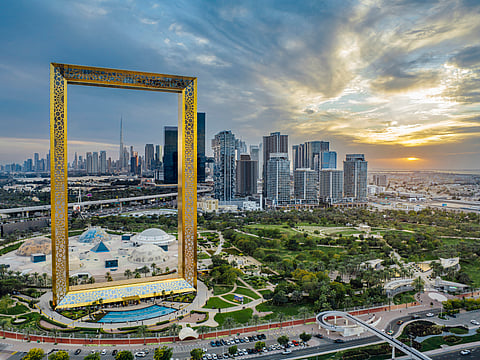
Dubai: Dubai is heading into what could be its biggest winter tourism season yet, with millions of visitors arriving for warm weather, outdoor activities and world-class attractions.
The city was recently ranked first in the region and second globally among top winter destinations by MC Travel, a sign of its growing appeal to travellers looking for sunshine, culture and adventure.
Given the uptick in visitors to the UAE, just like every other country and any destination, residents and tourists must abide by local laws. The UAE has one of the lowest crime rates in the world and is widely recognised as one of the safest places to live, work and visit.
Dubai is an open-minded and tolerant society where people from all over the world live harmoniously and respectfully. Here are some basic rules and customs you should know about when you arrival in the UAE.
1. Dress code: What tourists should know
Dubai is a cosmopolitan and diverse city where most clothing styles and cultural expressions are accepted. There are no specific restrictions on women’s clothing, and visitors generally dress as they would in any modern city.
Swimwear, including trunks, bikinis and swimsuits is permitted at beaches, public pools, waterparks and spa facilities. Public beaches also have dedicated changing rooms and restrooms.
Dress code in shopping malls and other public areas
In contrast, shopping malls, family attractions and parks often display dress code guidelines at their entrances. These venues, such as Global Village are popular with families, so visitors are encouraged to avoid overly revealing clothing. These expectations apply to both men and women.
When visiting historic neighbourhoods or places of worship, modest attire is appreciated. Mosques have specific requirements: shoulders, arms and legs must be covered, and women must wear a headscarf.
2. Etiquette: Public behaviour and social norms
Public displays of affection should be kept discreet. Simple gestures such as holding hands or a hug are perfectly acceptable. However, overly intimate behaviour in public places, including malls, beaches or restaurants, is discouraged.
Being considerate of families, local residents and the surrounding environment maintains the comfort and harmony that Dubai is known for.
3. Alcohol: Where and how it can be consumed
Alcohol is served at licensed venues such as hotels, bars and speciality shops, and is available to those aged 21 and over.
While drinking in licensed environments is permitted, Dubai enforces strict zero-tolerance laws on drunk and disorderly behaviour and drink-driving. Visitors are expected to consume alcohol responsibly and ensure they do not drive after drinking.
You need a licence to buy and consume alcohol in private, such as at home. The free application is simple, available online or at licensed establishments. Tourists can apply with a passport, residents with their Emirates ID. Once approved, you can purchase alcohol.
4. Photography in public: Privacy laws you must understand
The UAE has strong privacy protections, and taking photos or videos of individuals without consent, as well as posting such content online is illegal.
Although Dubai is home to some of the world’s most photogenic landmarks, travellers must avoid capturing images that may infringe someone’s privacy. Violations can lead to serious penalties under the UAE’s cybercrime, penal and publications laws.
Recent cases underline the importance of these rules. In one incident, a man was ordered to pay Dh30,000 in compensation, plus additional penalties totalling Dh40,000, after taking and posting photos of another person and their family without permission at a coffee shop.
Under the UAE Cybercrime Law, taking or sharing someone’s image without consent can result in up to six months in jail, a fine of Dh150,000 to Dh500,000, or both.
5. Prescription medication: Rules for bringing medicines into Dubai
Many common medications are widely available in Dubai’s pharmacies and hospitals. However, as in most countries, some medicines are restricted or prohibited.
The UAE Ministry of Health and Prevention (MOHAP) provides full lists of controlled and prohibited substances, along with guidelines for bringing medication into the country. MOHAP also offers an optional but strongly recommended, online permit for importing medicines.
Travellers bringing controlled medication must carry:
a valid doctor’s prescription
a recent medical report
documents stamped or recognised by the healthcare facility issuing them
Medicines may be brought in for a maximum of three months. Controlled drugs include those with a risk of addiction or misuse, such as narcotics and psychotropic substances (classified as Controlled Drug Class A).
Applying for a MOHAP permit in advance will help ensure all paperwork is in order before travelling.
